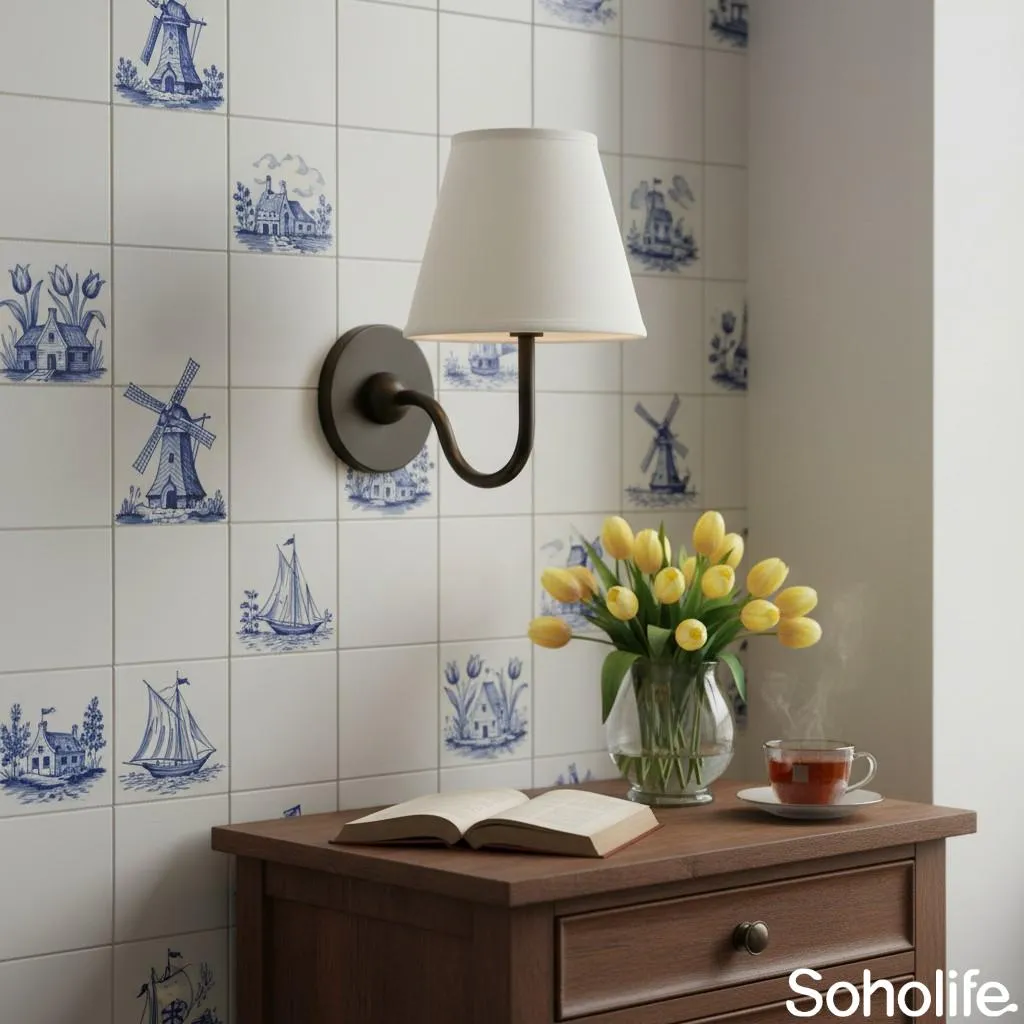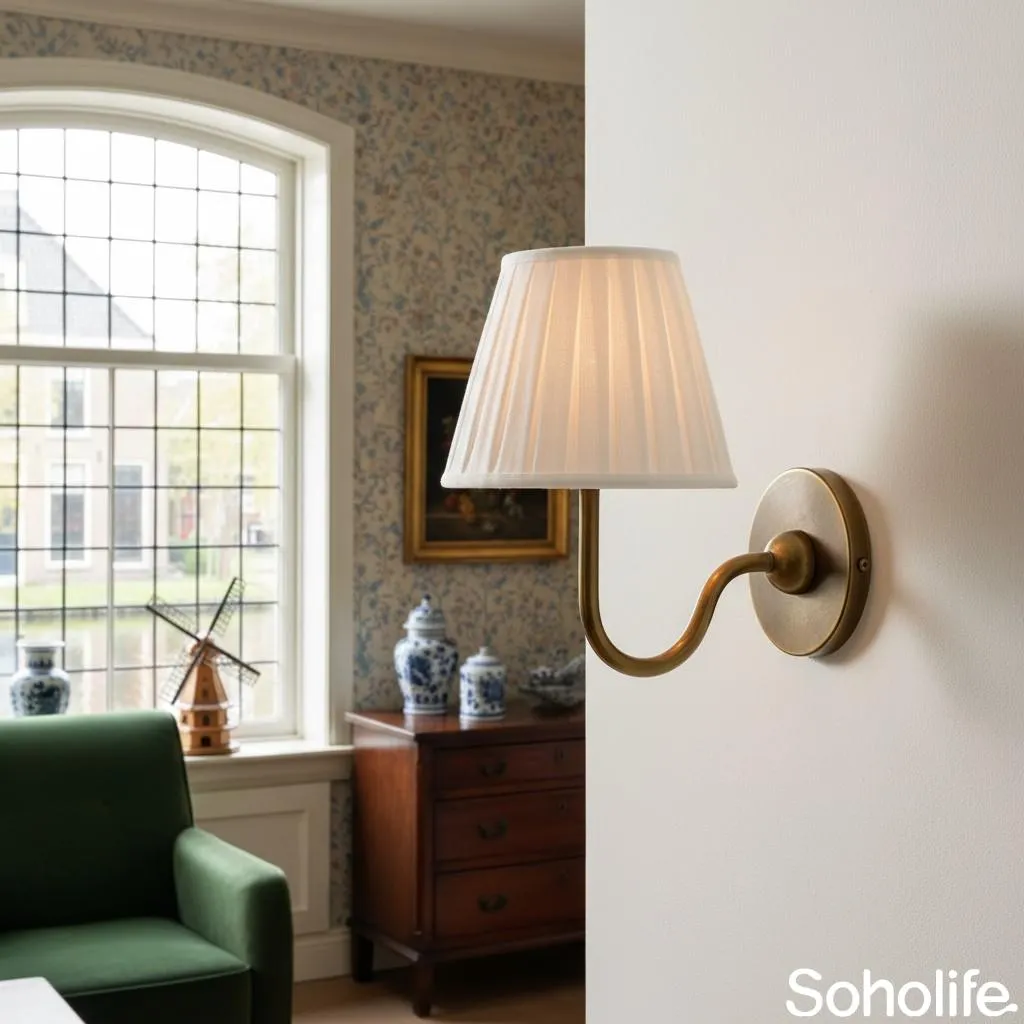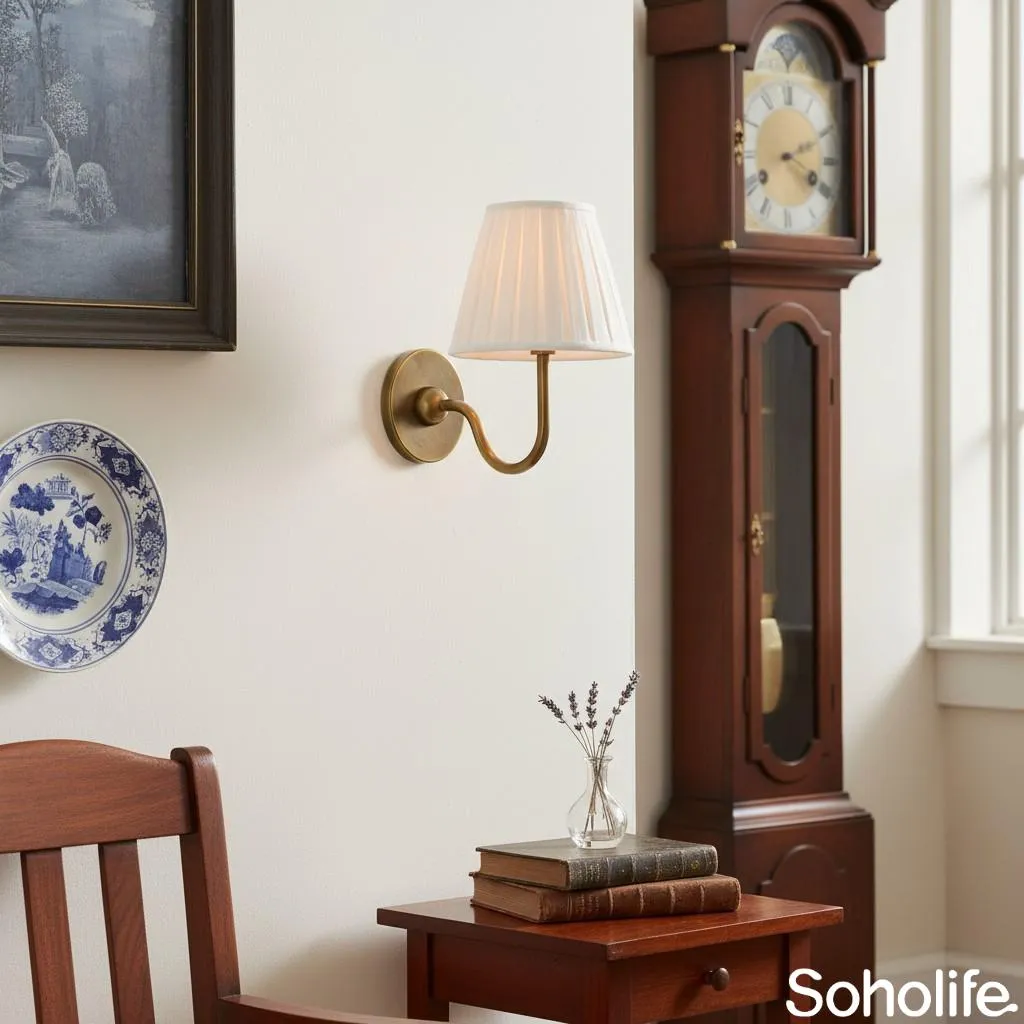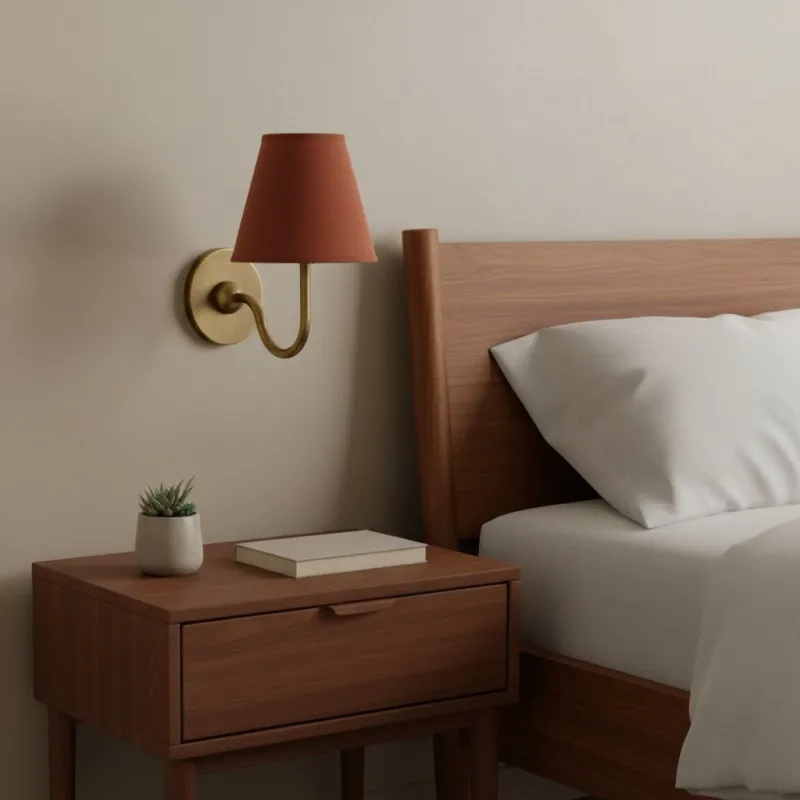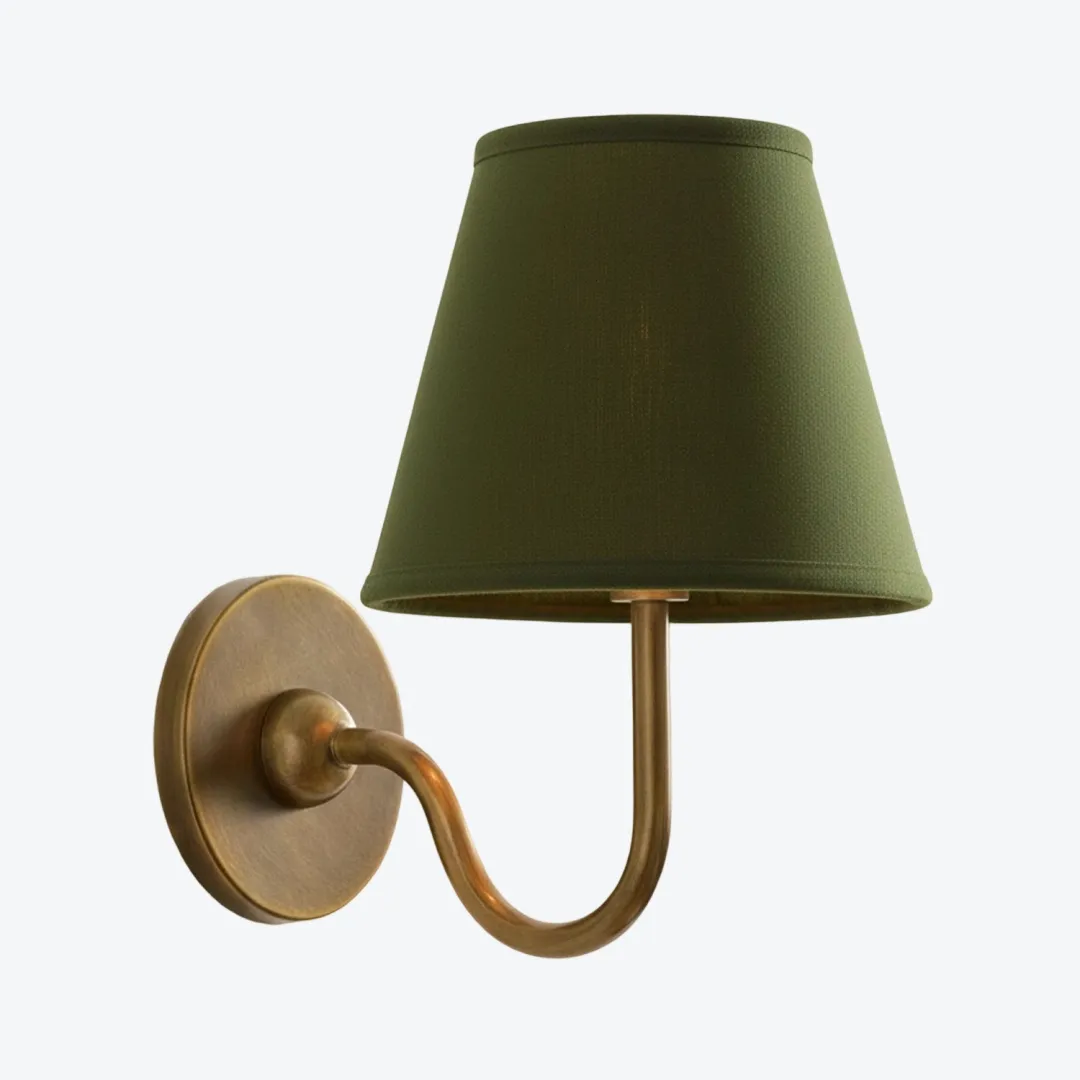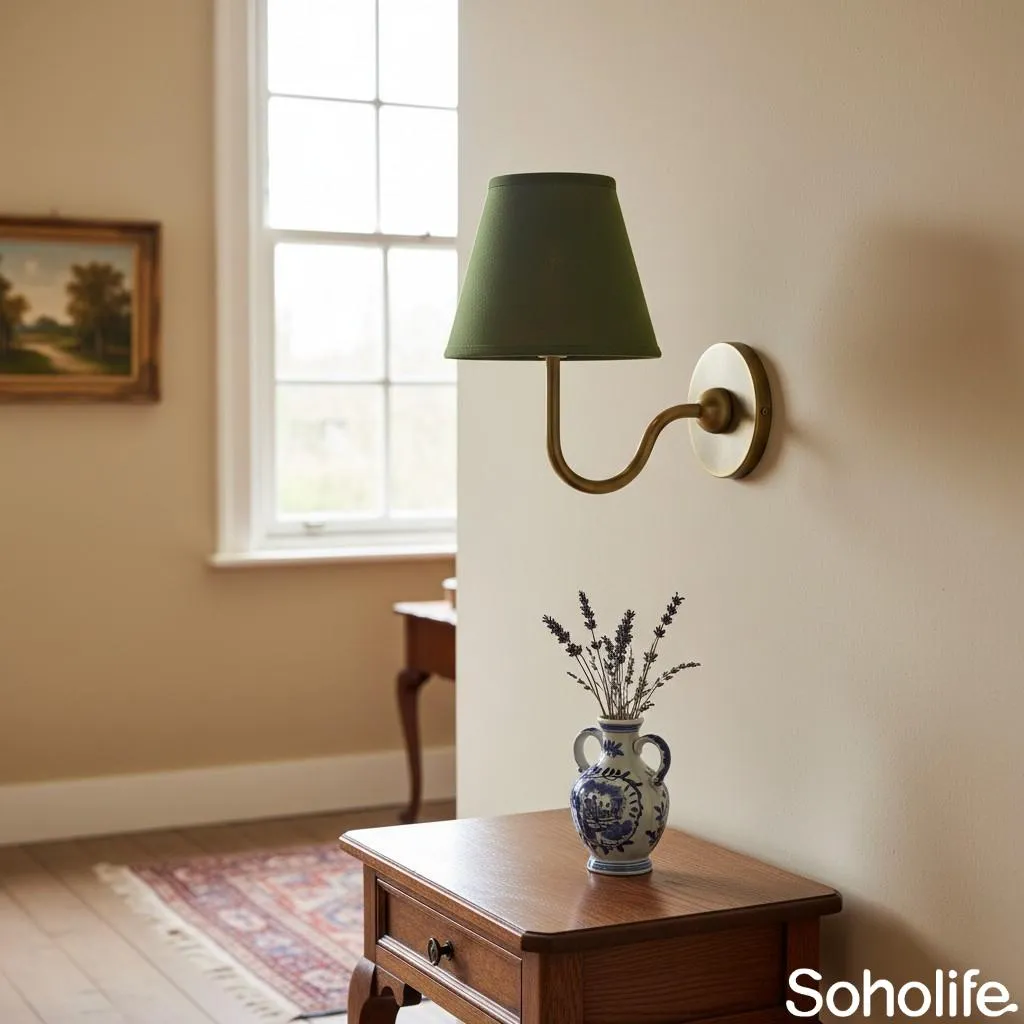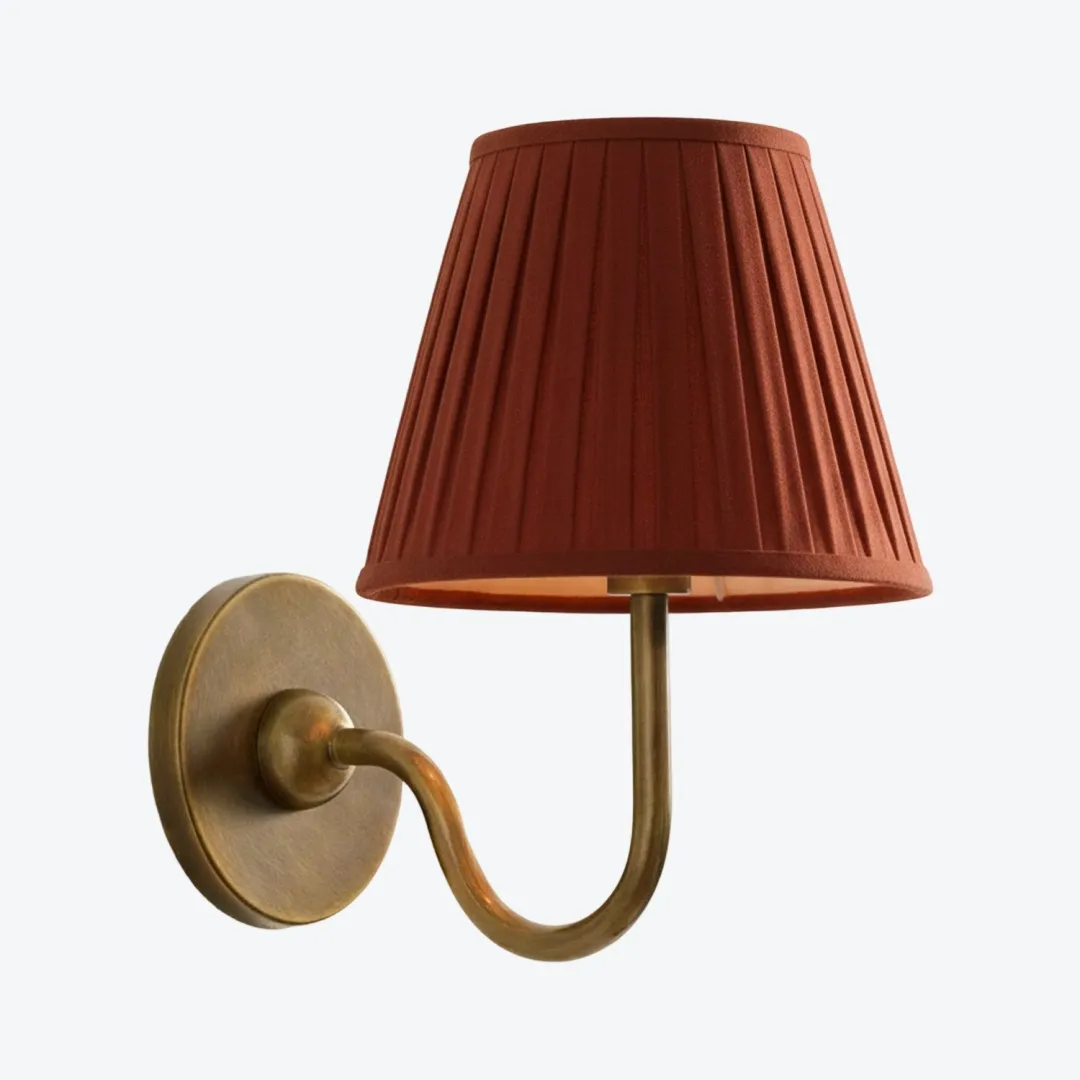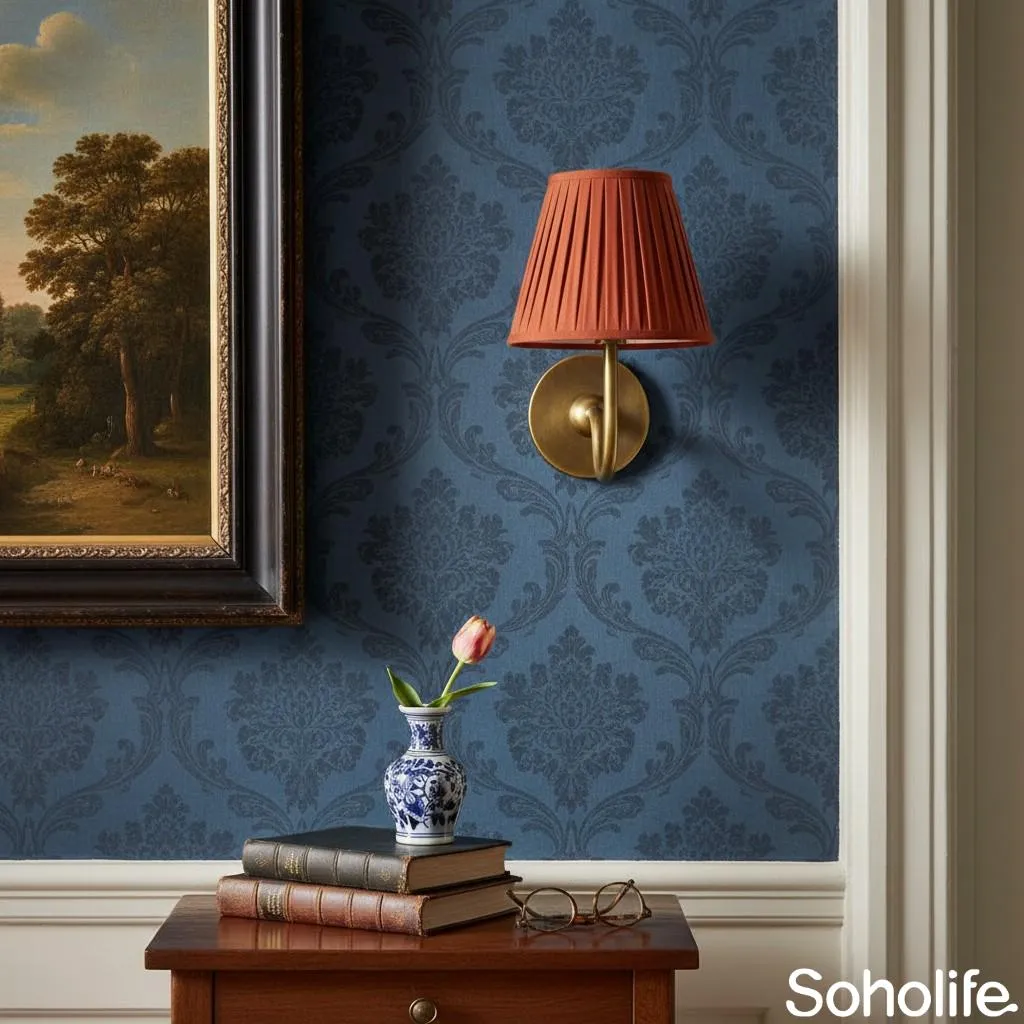

No Nightstand Space? Make a Bedside Wall Sconce Work Without Creating New Problems
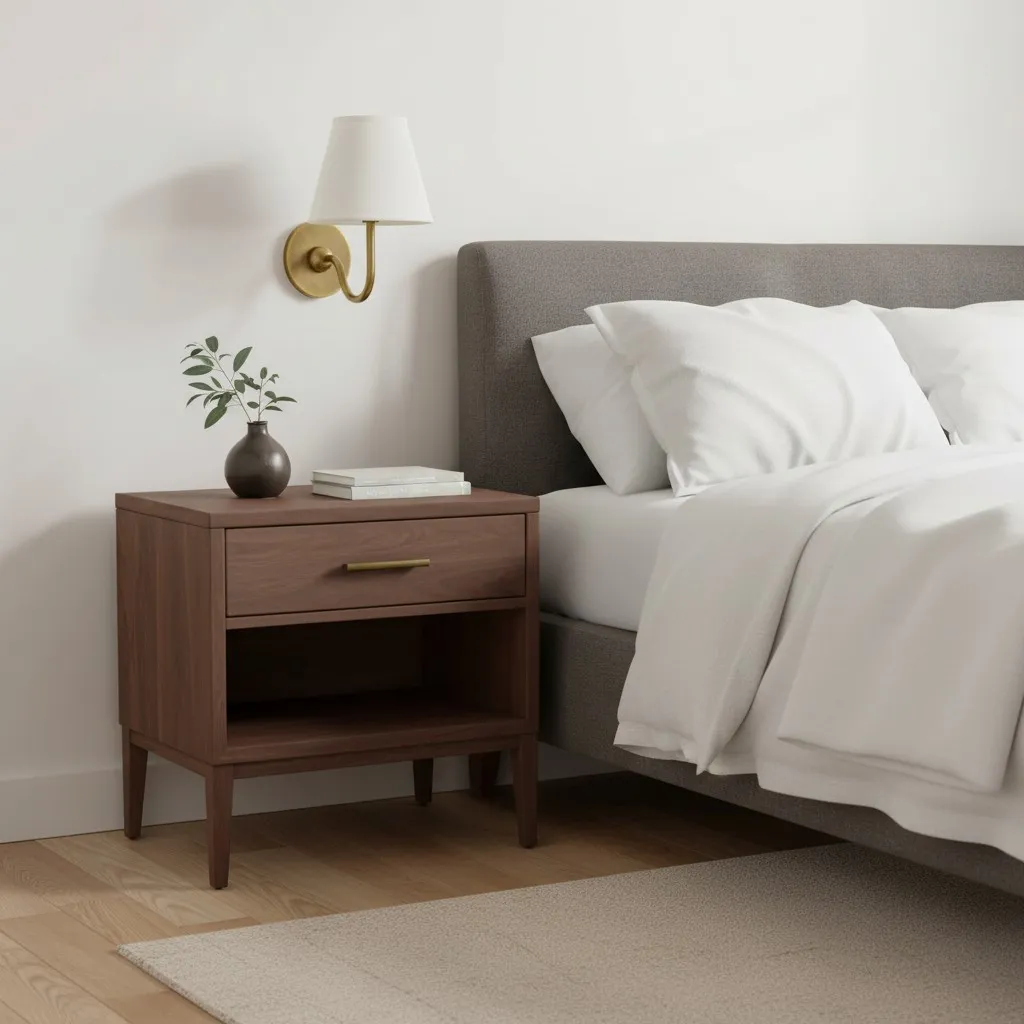
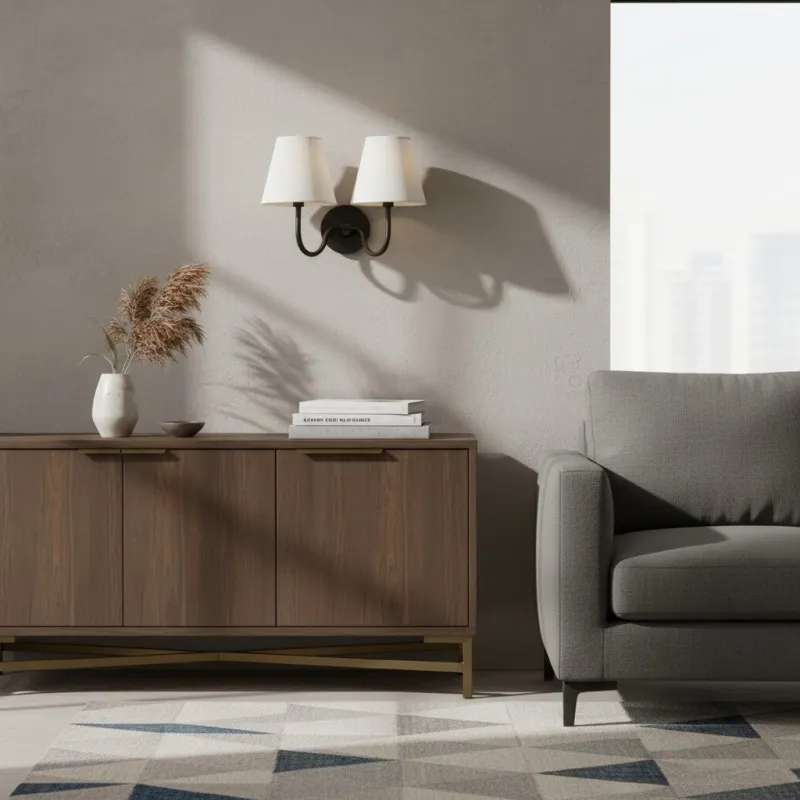
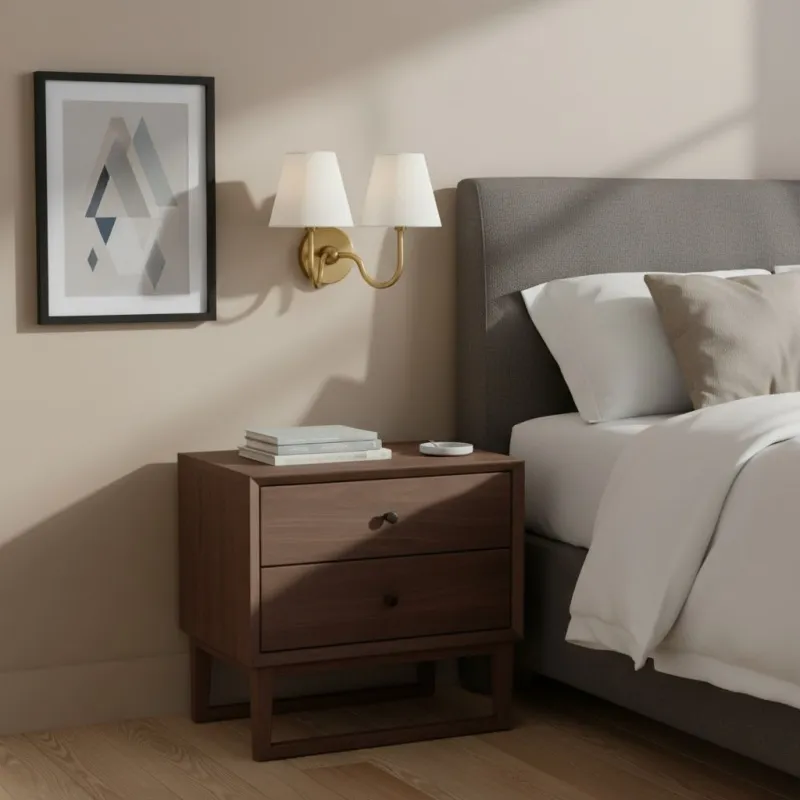
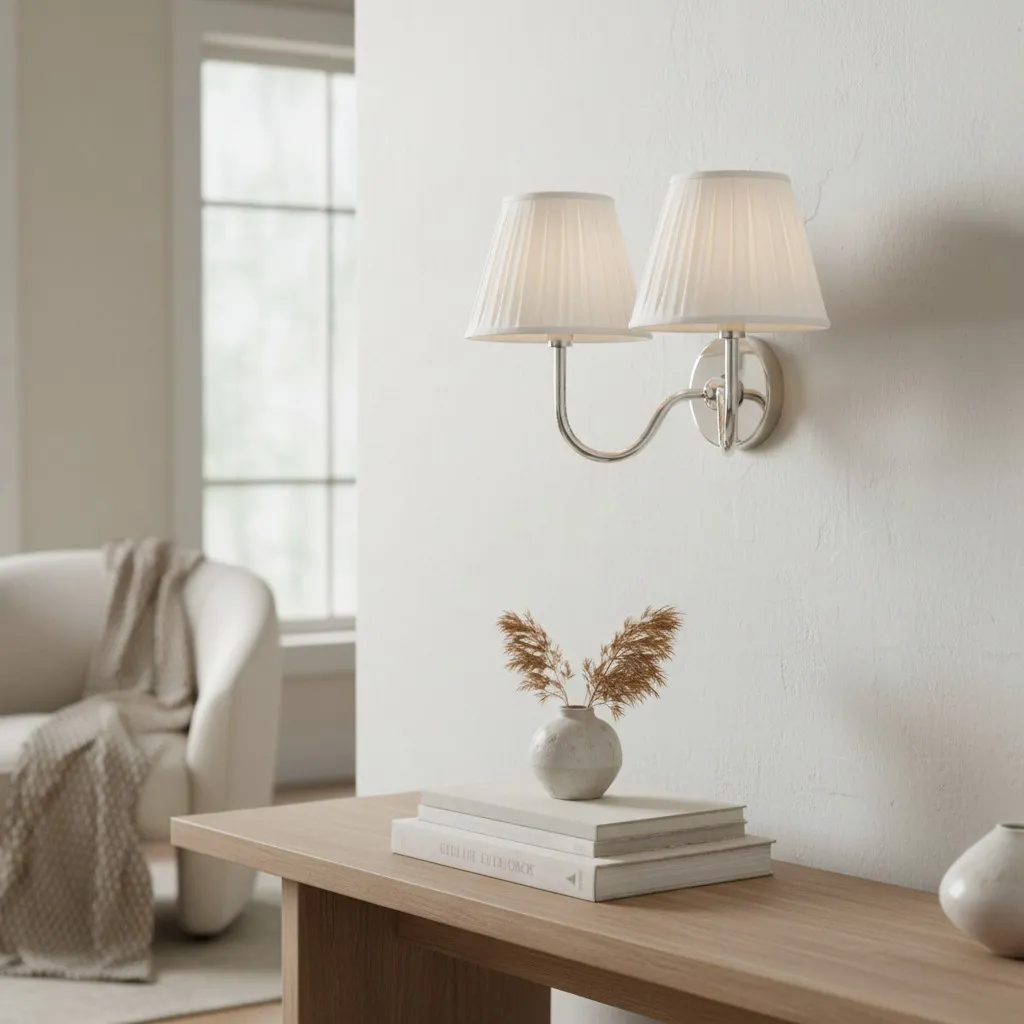
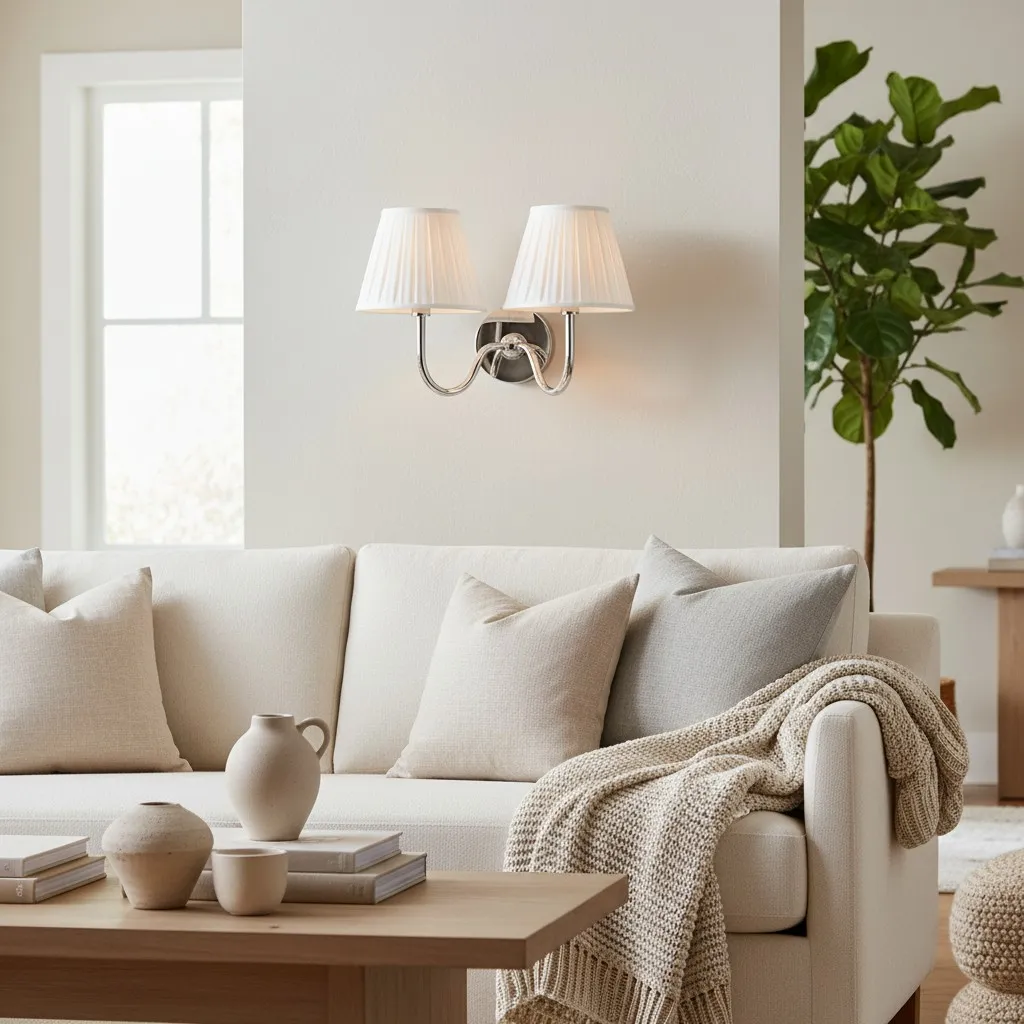
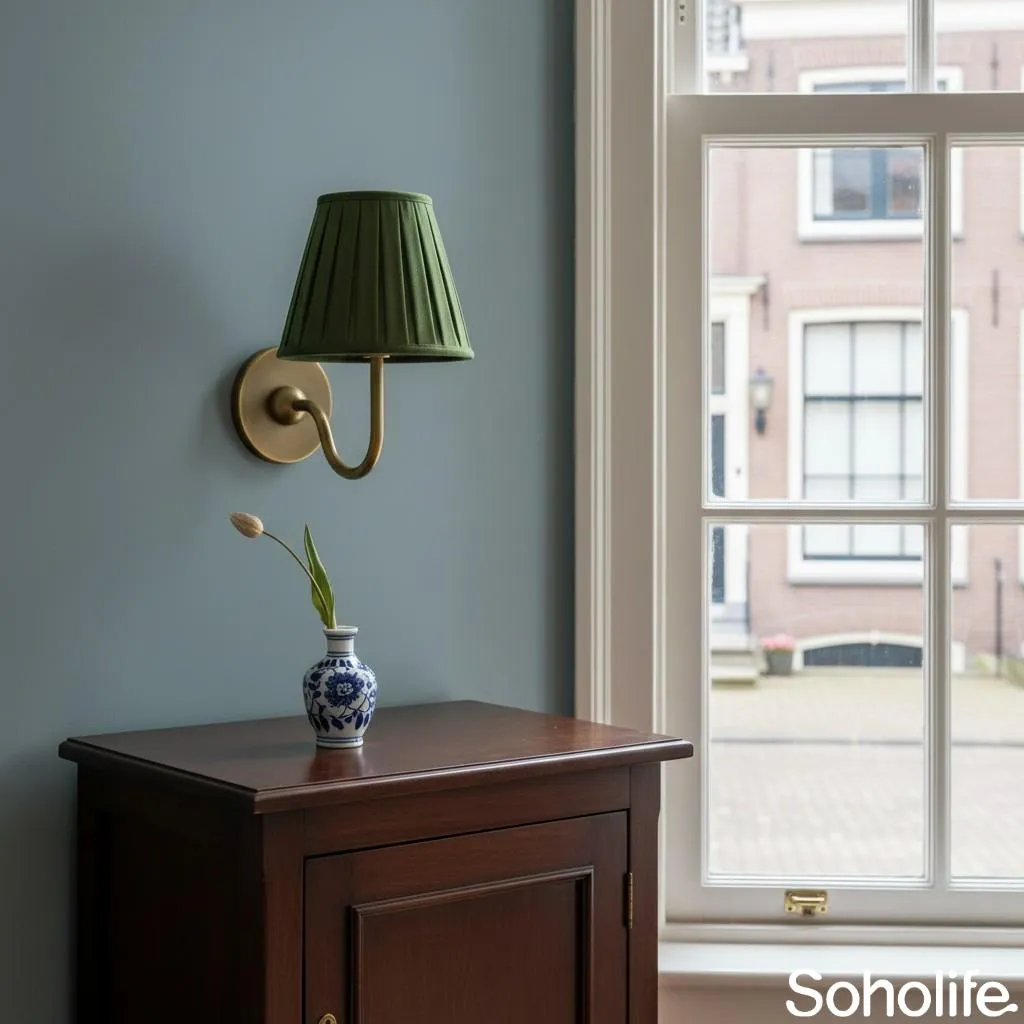
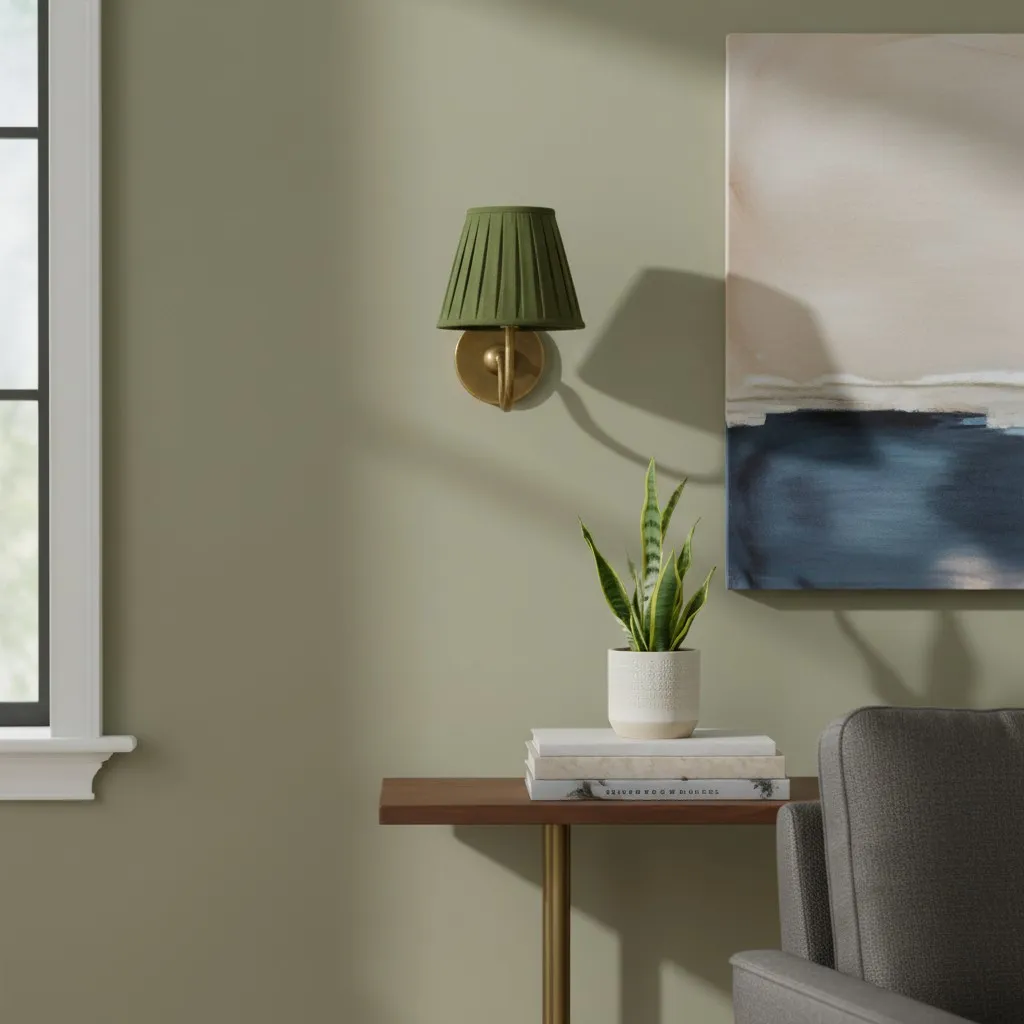
If a bedside lamp consumes most of a small nightstand, moving the light to the wall can return that surface to the things you actually reach for: a book, water, glasses, or a phone. A wall sconce is a good solution only when the wall has enough clear space, the control is easy to reach from bed, and permanent wiring suits the room. If one of those conditions fails, removing the lamp base may simply exchange tabletop clutter for an awkward fixture.
Keep only bedside essentials on the surface, measure the wall fixture at full size, test the switch from your normal sleeping position, and confirm the installation route before buying. Choose a wall sconce for a stable layout with limited surface area; keep a portable lamp when the room, tenancy, or reading setup needs flexibility.
Start with What Must Stay Beside the Bed
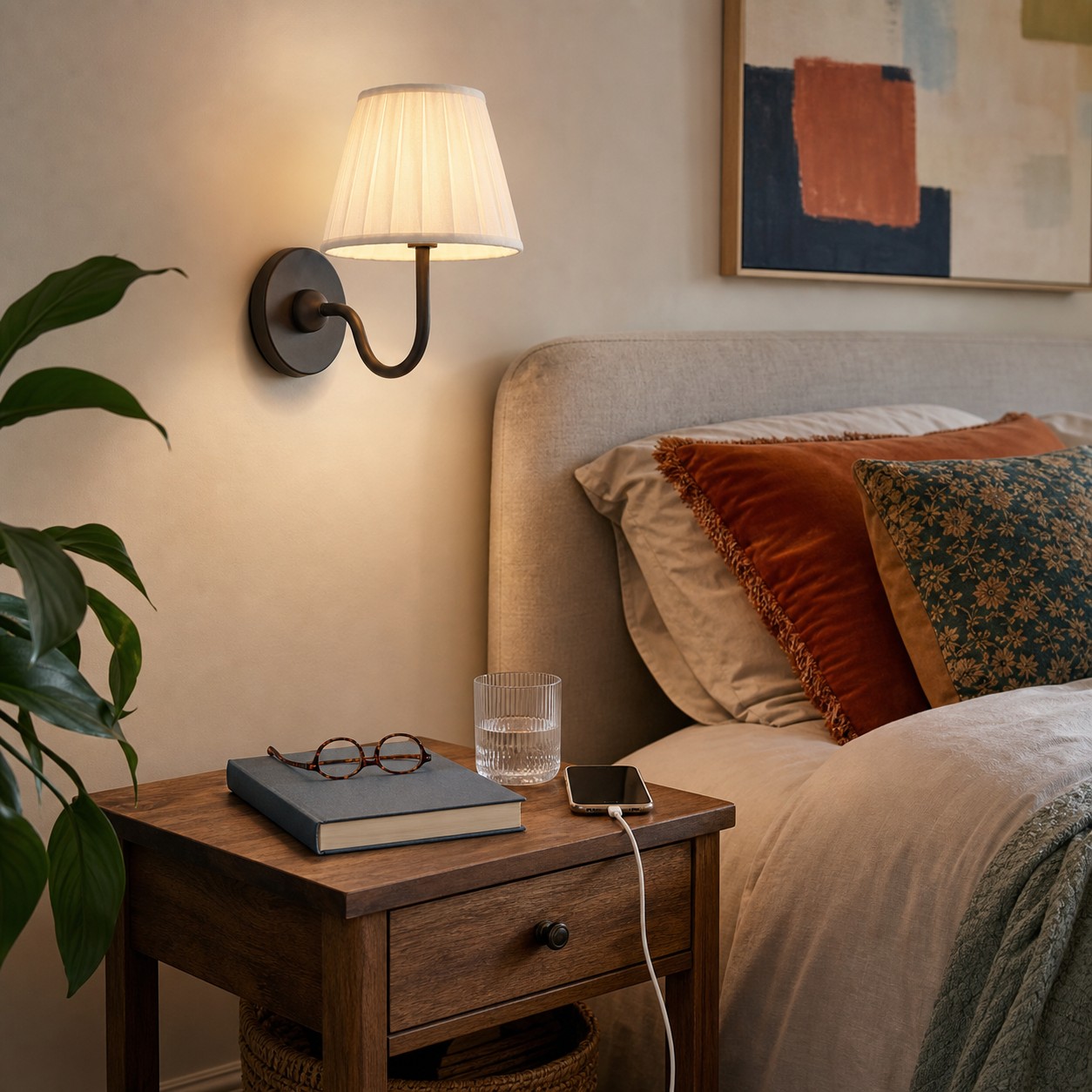
Do not begin with a catalogue image. Empty the nightstand, then return only the objects used during a normal evening and morning. Group them into three zones: items you must reach without getting up, items that only need charging space, and decorative objects that can live elsewhere. Now place the table lamp back. The useful measurement is not the nightstand's total width; it is the remaining clear area after the lamp base and cable have taken their share.
This inventory separates a real space problem from a styling problem. If the lamp leaves no stable place for a glass or pushes a phone onto the bed, wall mounting can provide a meaningful gain. If clutter still fills the surface after the lamp is removed, changing the fixture will not solve the underlying storage problem.
The Three-Gate Test: Wall Space, Reach and Wiring

A bedside wall sconce should pass all three gates before it earns a hole in the wall:
- Wall space: the complete shade and arm must clear the headboard, pillows, shelves, curtains, doors, and anything that moves beside the bed.
- Reach: the switch or wall control should be comfortable to operate from the position in which the light will be used. A clear nightstand is not an improvement if turning off the light requires standing up.
- Wiring: the intended position needs a safe, practical installation route. The Luvora is hardwired, so it is not a plug-in shortcut.
Electrical Safety First advises leaving electrical work to competent professionals and checking for hidden cables before drilling. Requirements vary by location, so settle the mounting point and installation method with a qualified professional before ordering around an assumed cable route.
Position the Sconce Around the Sleeper, Not a Generic Height

A number measured from the floor cannot account for mattress depth, headboard height, user height, shade shape, or the way someone sits to read. Instead, mark the mattress top and pillow position on the wall, then sit and lie down as usual. Check whether your shoulder or pillow enters the fixture's space, whether your hand reaches the control naturally, and whether the shade would remain outside your direct view.
If glare is the main problem rather than lost surface area, use How to Fix Harsh Bedroom Lighting with Pleated Fabric Wall Lamps for the full sightline and light-layer diagnosis. This article stays with space and usability: the successful position is the one that clears the bed, preserves reach, and works with the real wiring route.
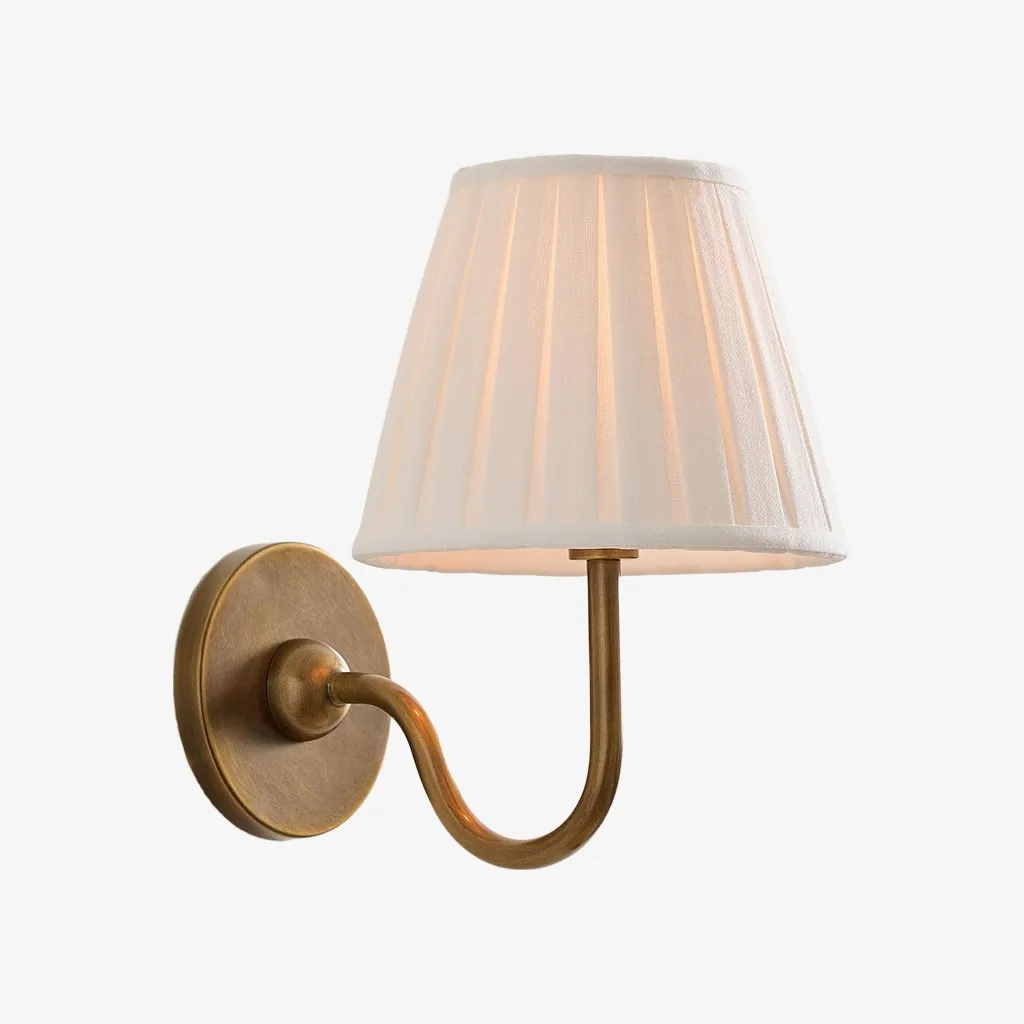
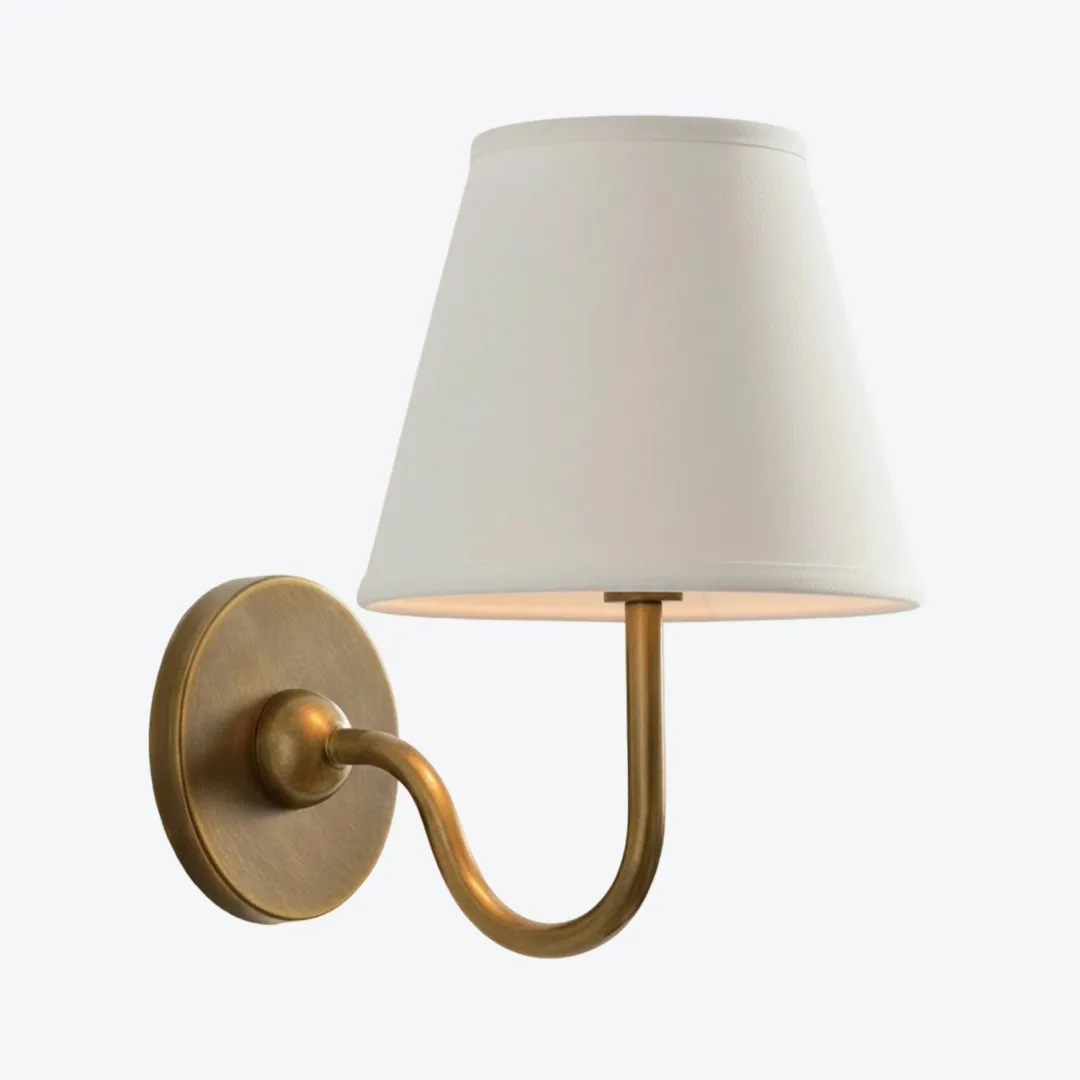
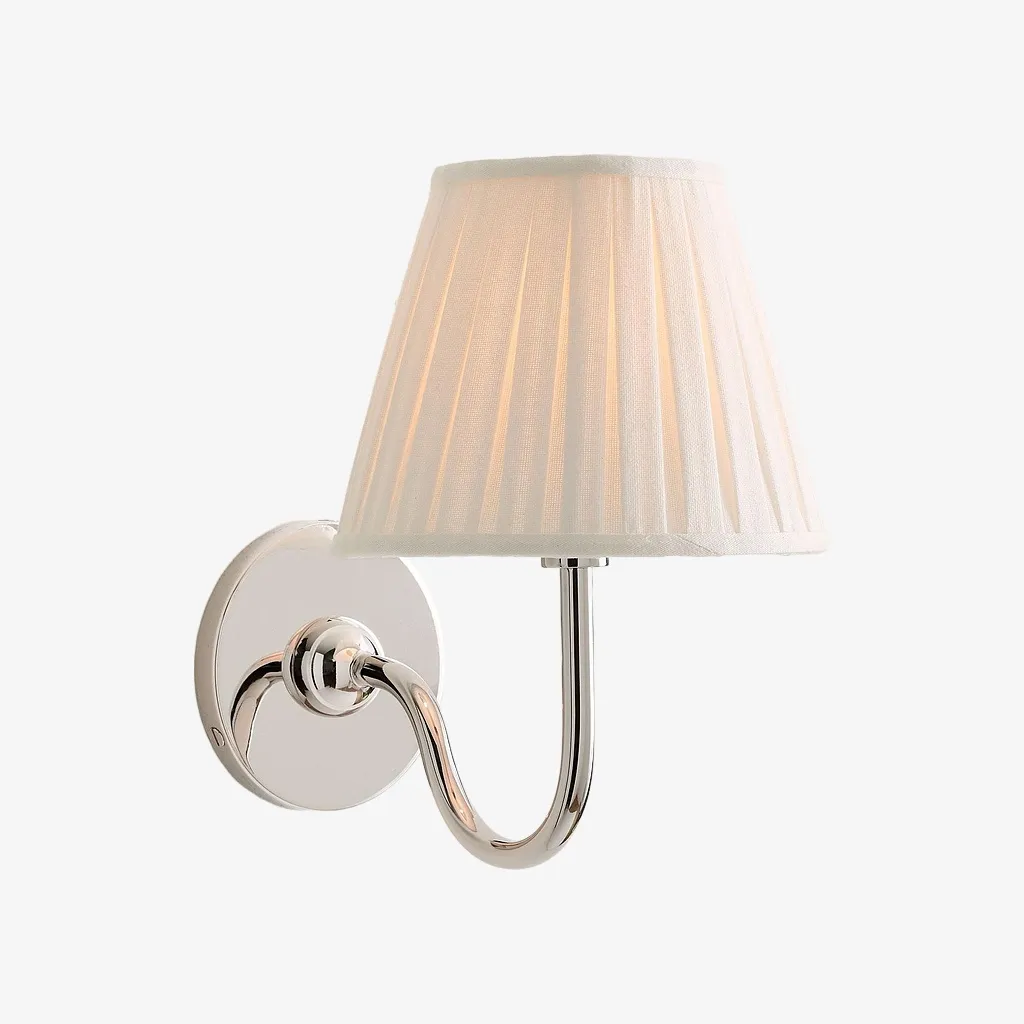
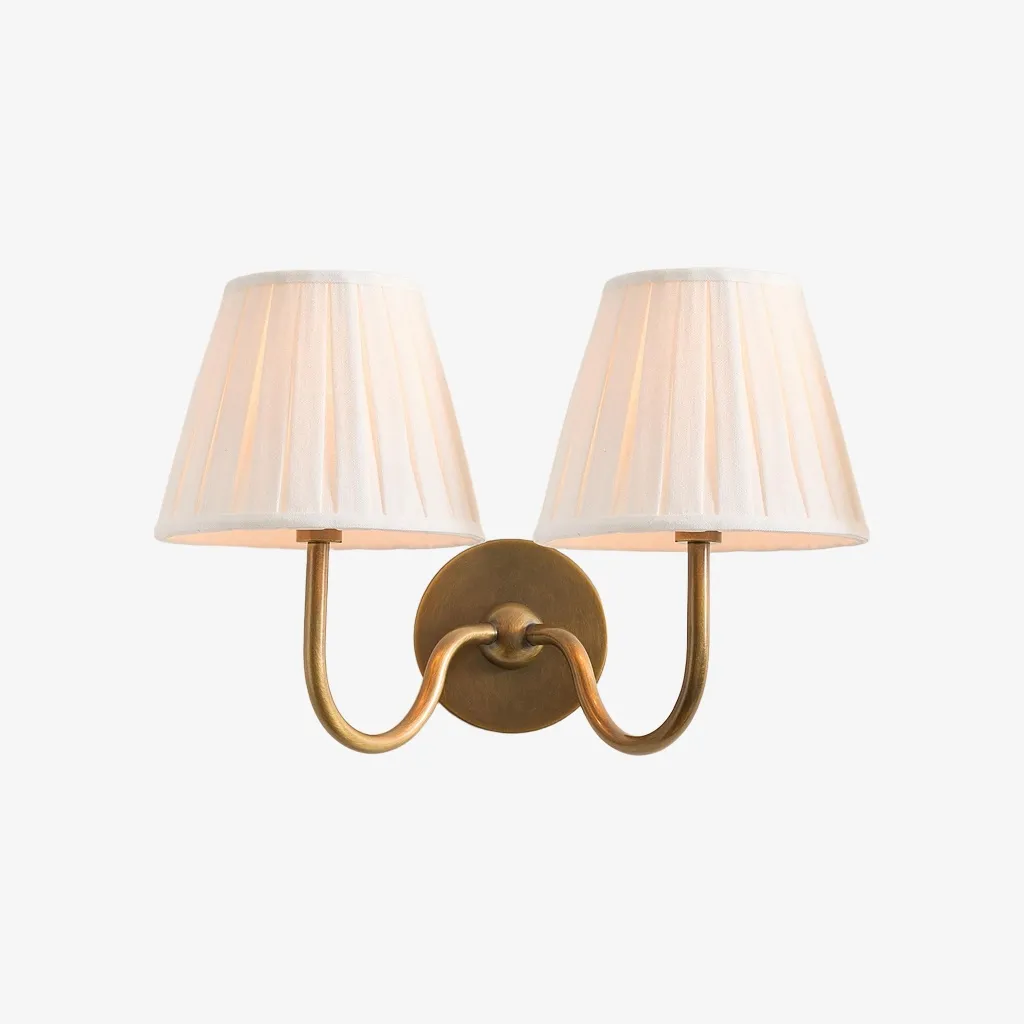
Once the wall zone passes those checks, compare the single-head Luvora wall lamp with the outline you measured rather than judging it from a room photograph.
When a Wall Sconce Is the Better Small-Space Move
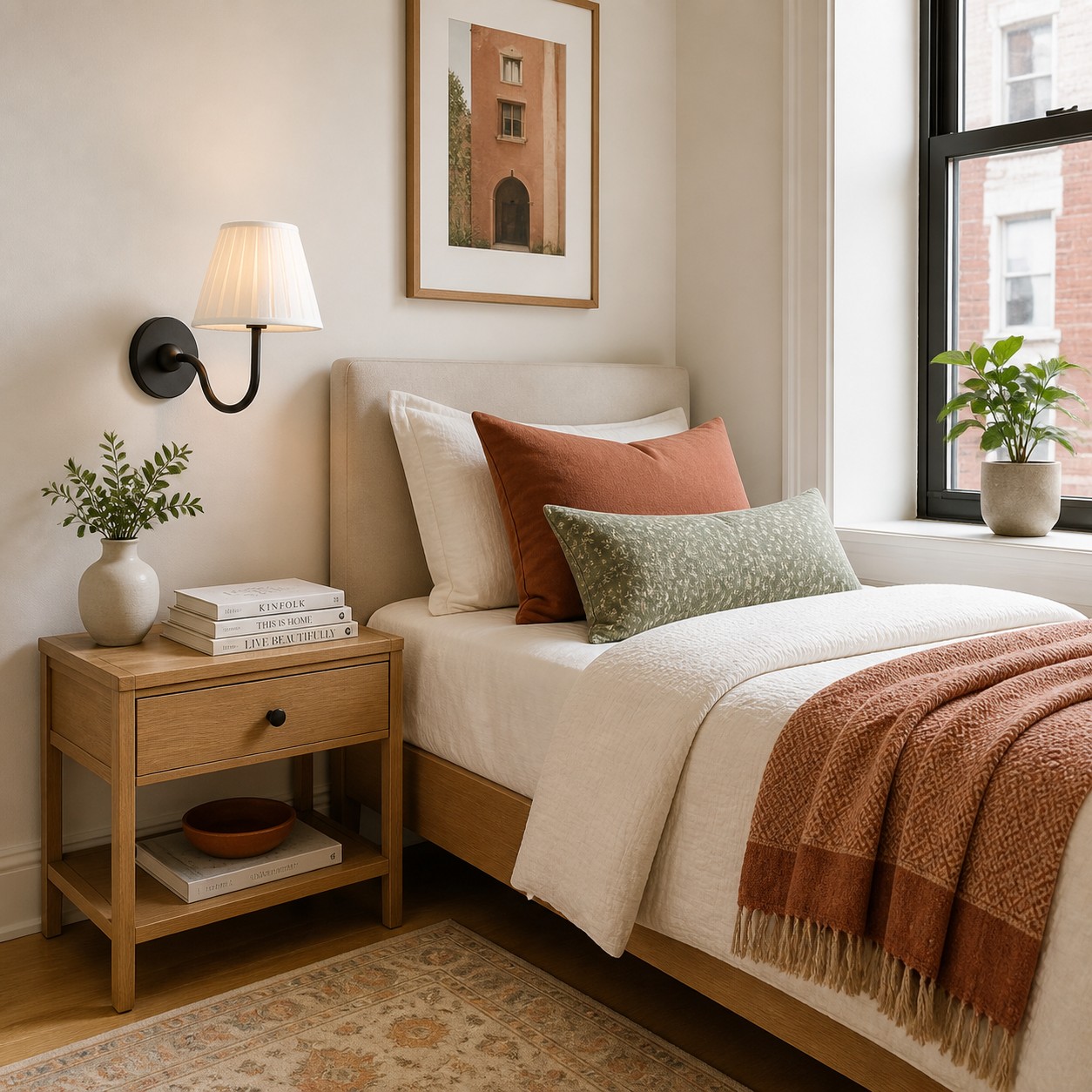
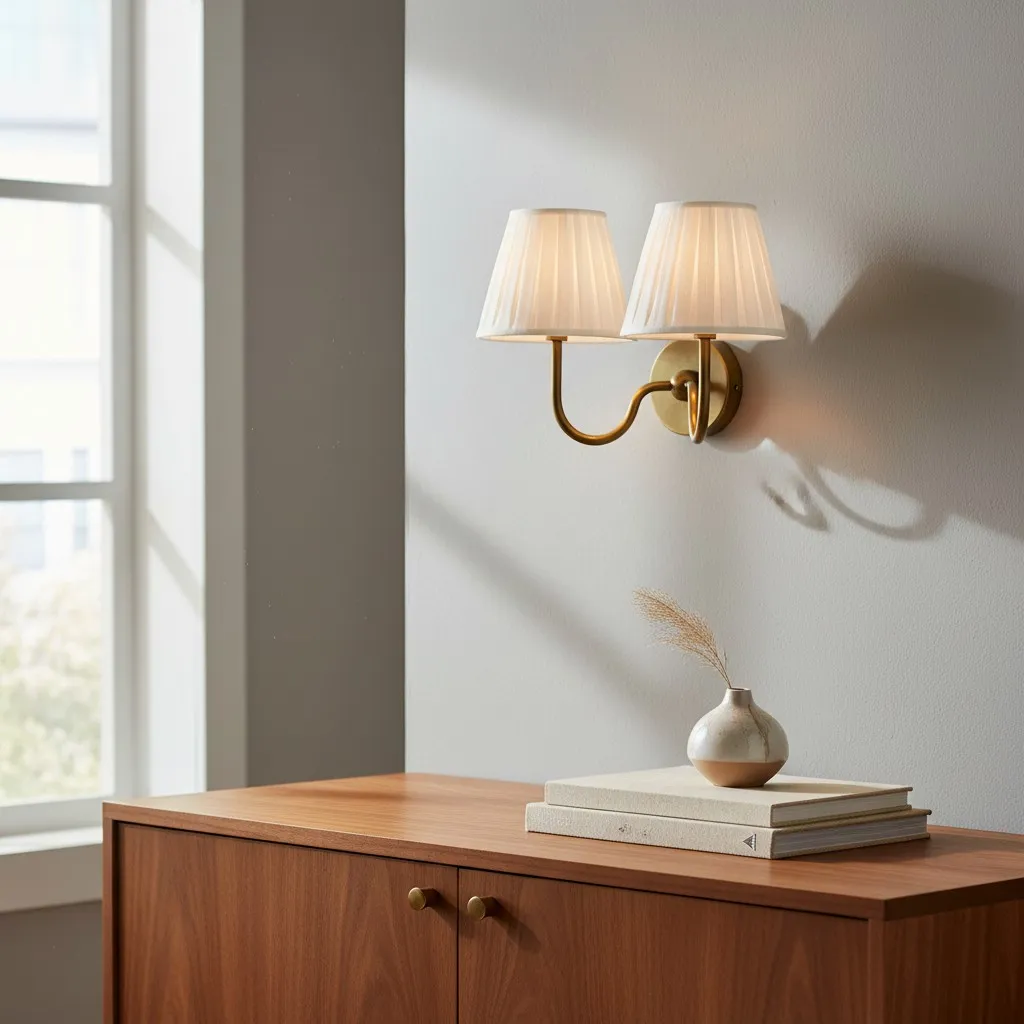
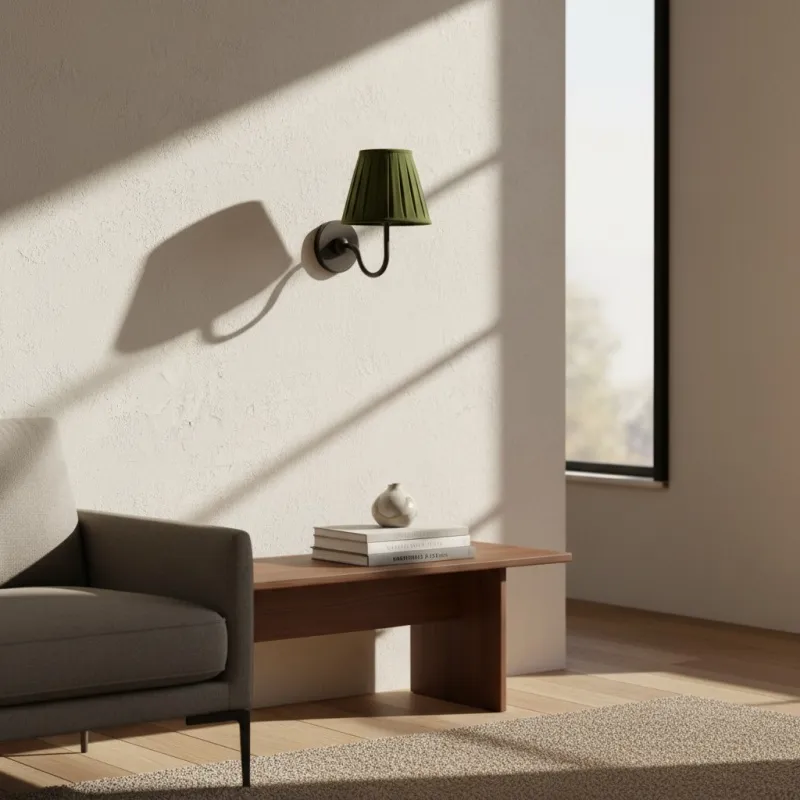
Wall mounting is strongest when the bed is unlikely to move, the bedside surface is genuinely narrow, and the lamp is mainly needed for soft evening light or short periods of casual reading. It also works well when a lamp cable currently crosses the usable surface or competes with charging leads.
The improvement should be practical and repeatable. After installation, the freed surface should hold essentials safely, the light should switch on without stretching, and making the bed should not knock the shade. If those gains are clear, a sconce does more than make the room look tidier; it changes how the small bedside area functions every day.
When Keeping a Table Lamp Is the Smarter Choice
Keep a portable lamp when the bed moves often, the home is rented and fixed work is not approved, or the wall contains a window, curtain, storage unit, or uncertain wiring where the sconce needs to go. A table lamp is also easier to reposition when two readers have different habits or when the bedside role changes between reading, work, and ambient light.
A fabric-shaded wall light spreads a softer glow, but it is not automatically a precise reading tool. ENERGY STAR notes that LEDs are directional light sources, so the bulb-and-fixture combination affects where light travels. If long reading sessions are the priority, confirm that the chosen setup directs useful light toward the page rather than trying to compensate with an excessively bright bulb.
Five Mistakes That Move the Clutter Somewhere Else
- Buying before mapping the wall: product photos do not reveal conflicts with the headboard, pillow, curtain, or door swing.
- Putting the control beyond reach: a visually balanced position can still be frustrating in daily use.
- Treating the nightstand as newly empty storage: the surface quickly becomes crowded again unless essentials have assigned places.
- Choosing a bulb by output alone: physical fit and light direction matter inside a compact shade.
- Assuming every wall lamp is plug-in or dimmable: verify wiring, bulb, and control compatibility instead of inferring features from appearance.
Does the Luvora Fit Your Bedside Wall?
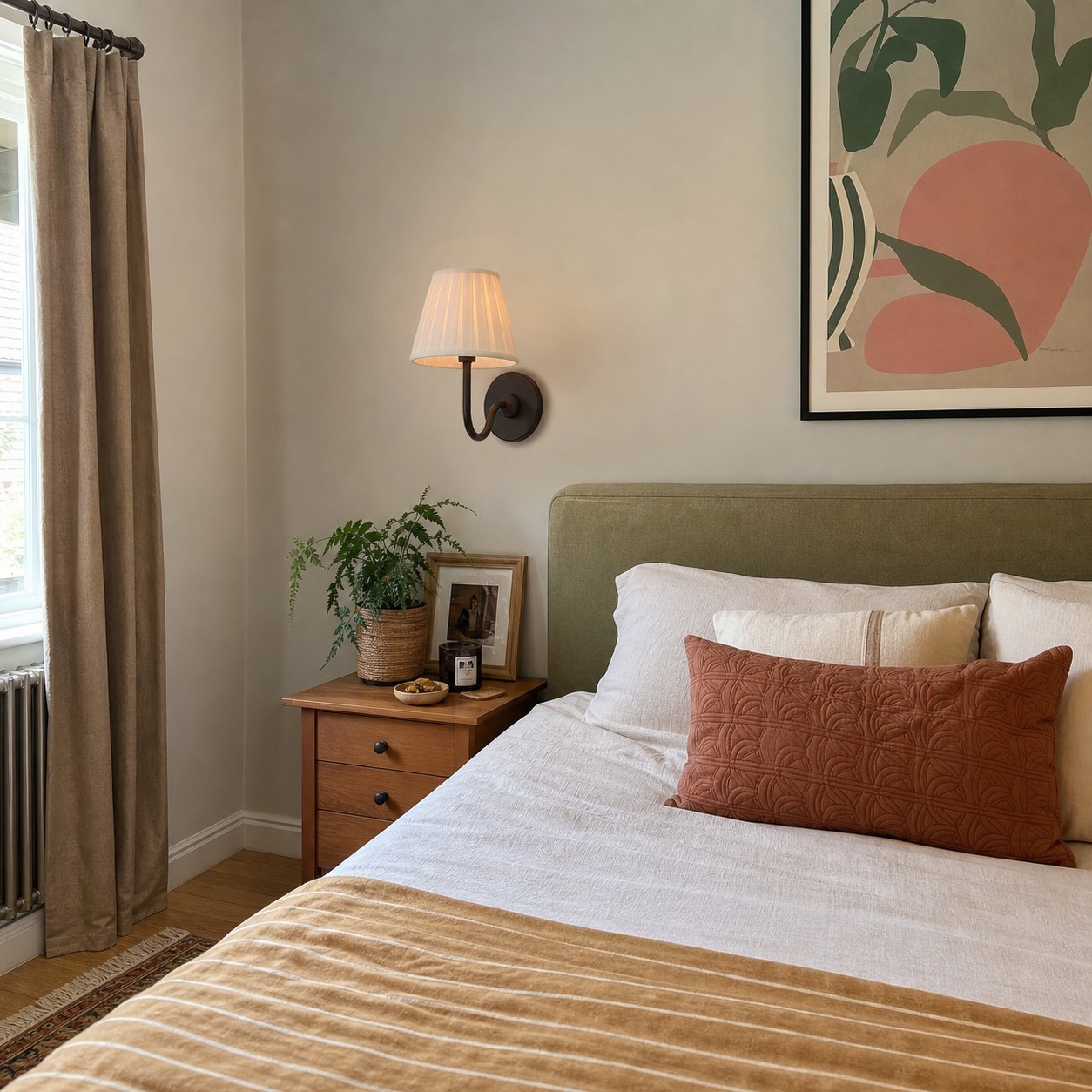
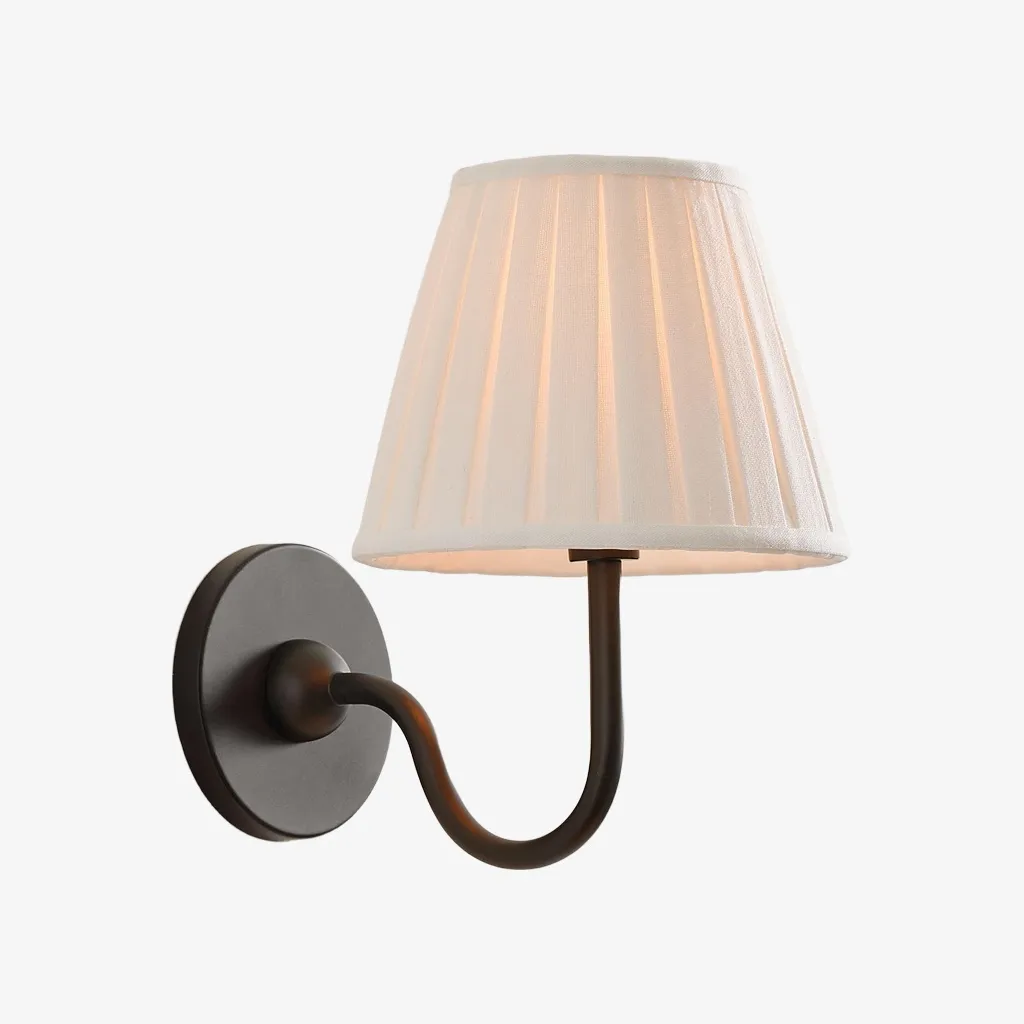
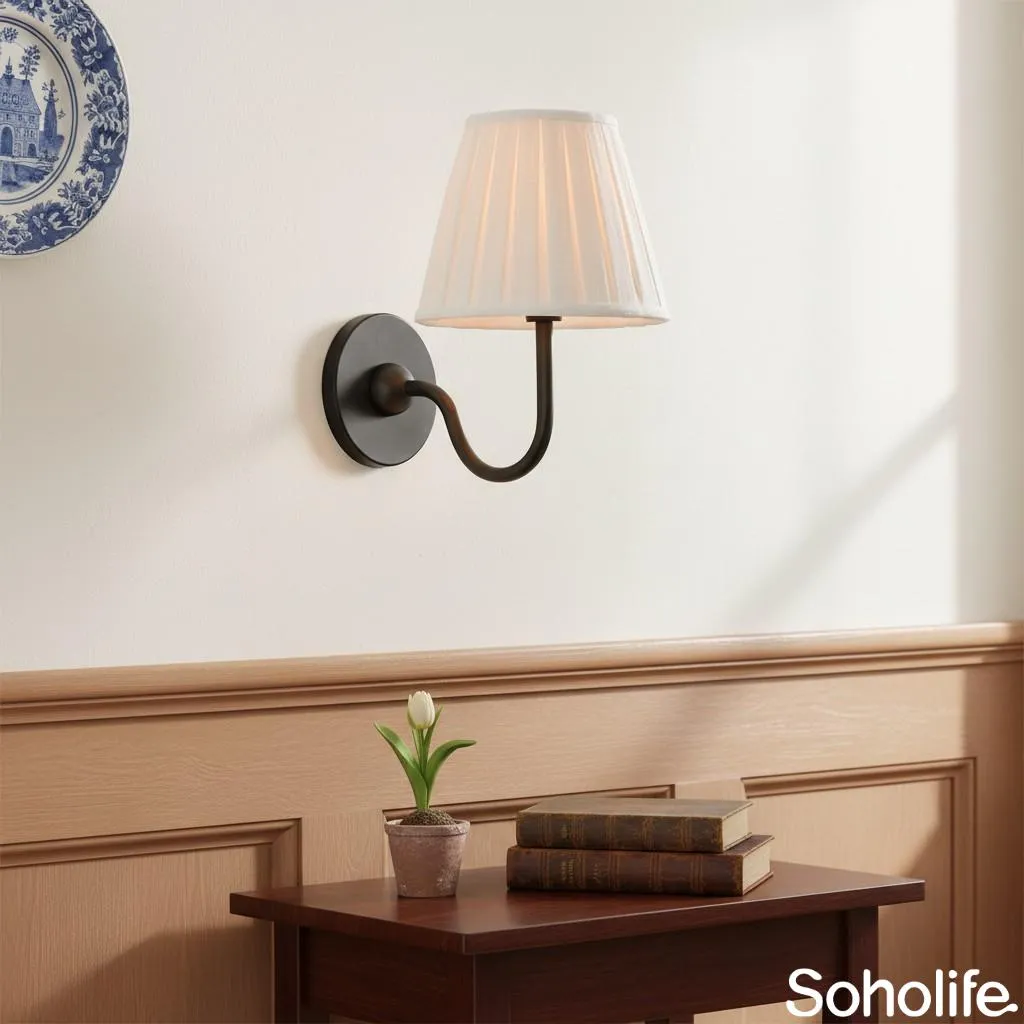
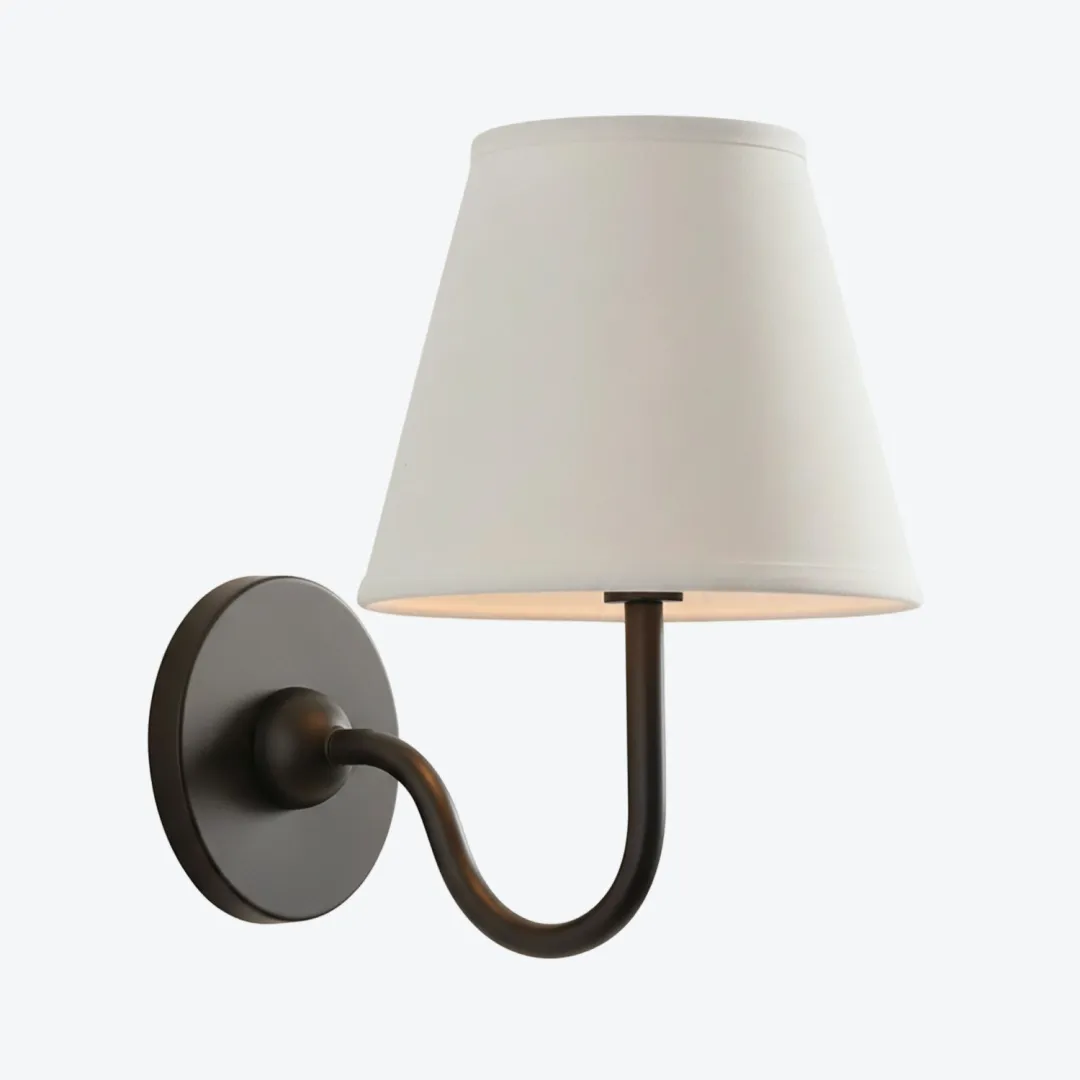
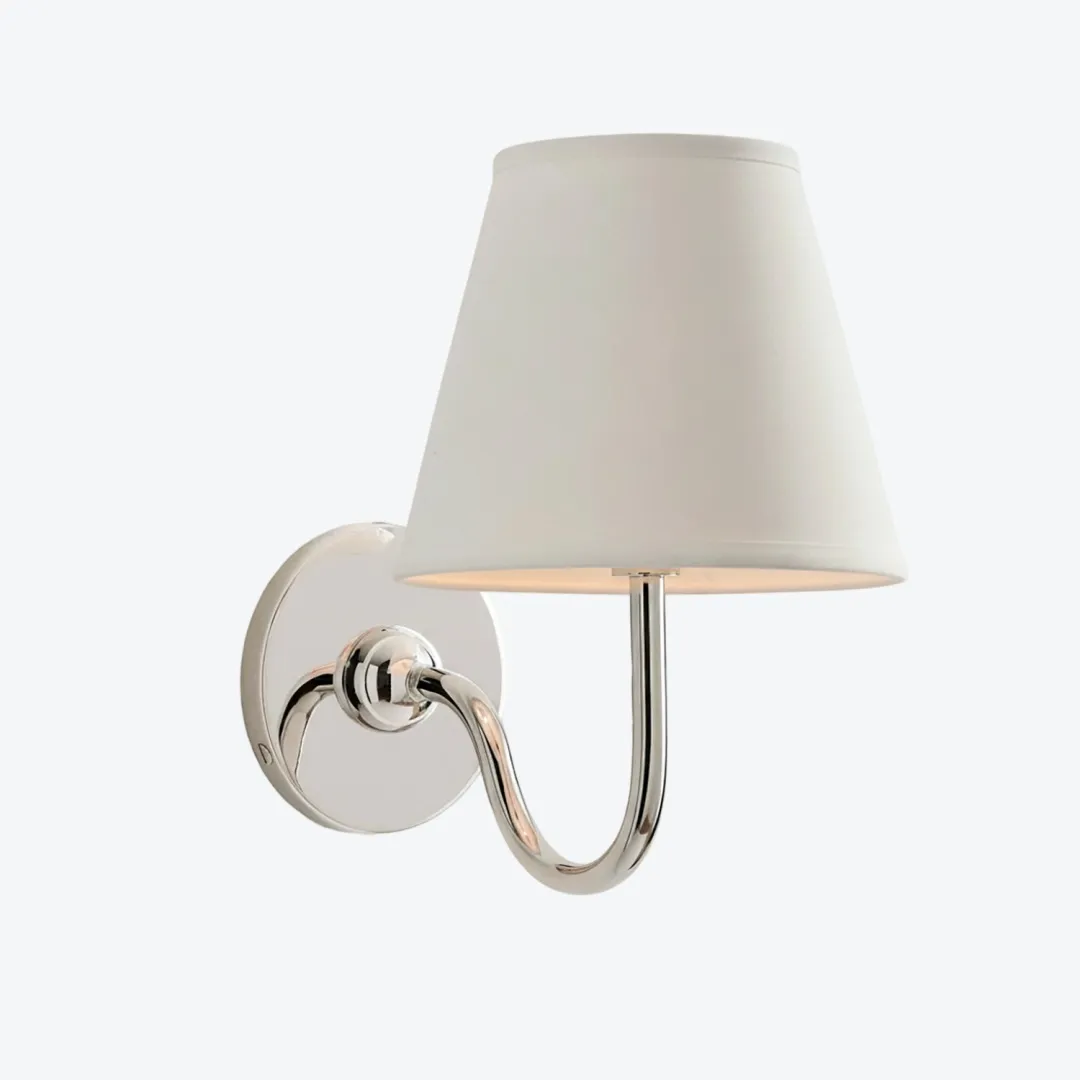
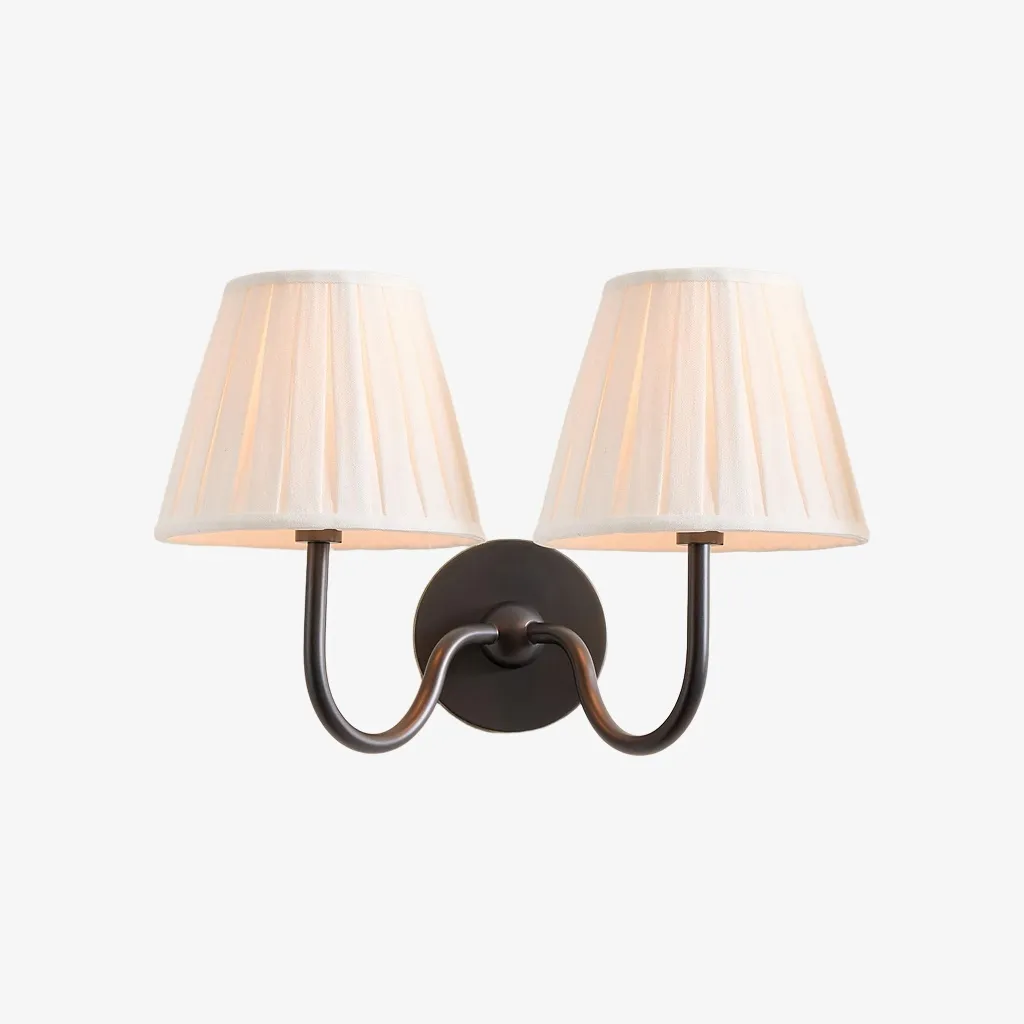
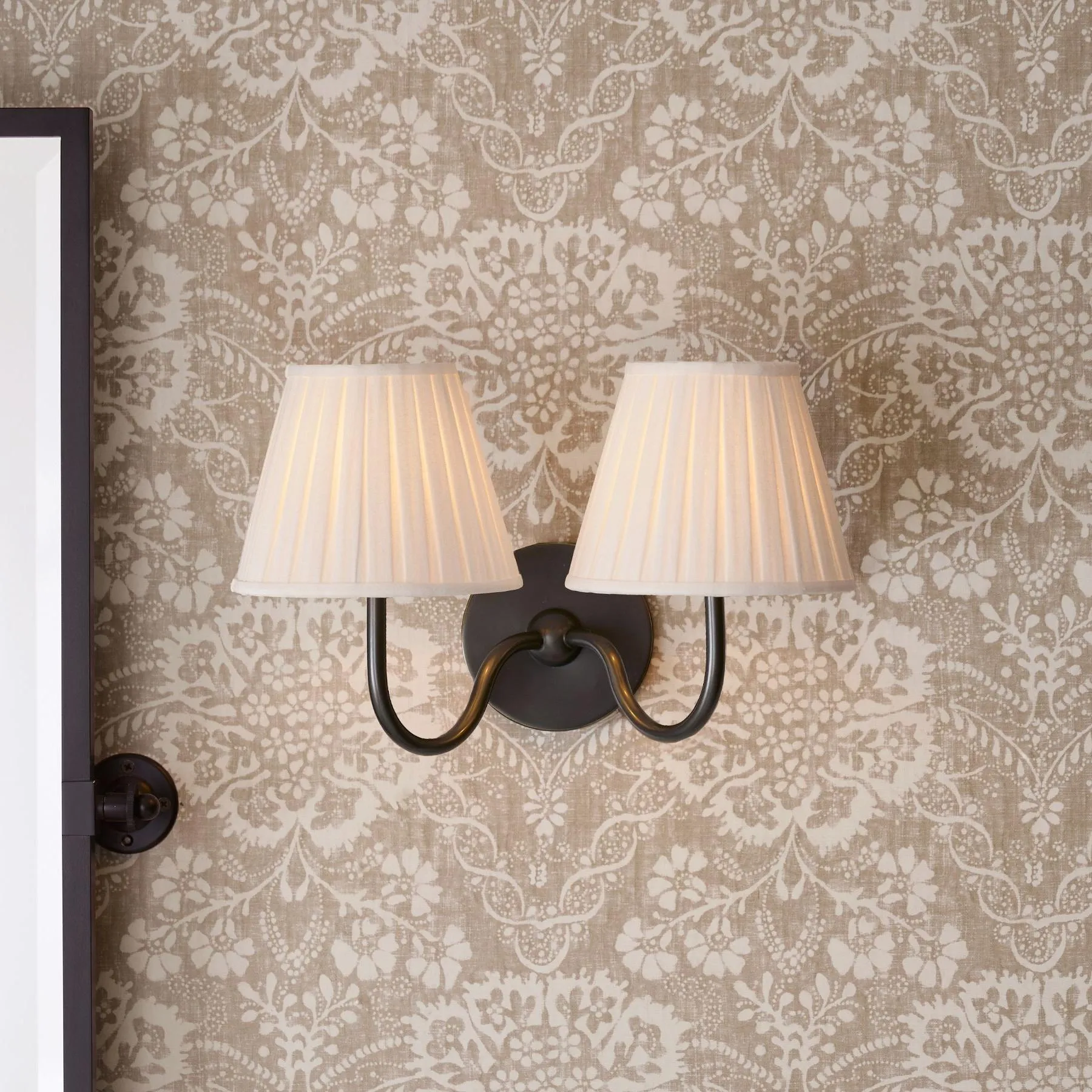
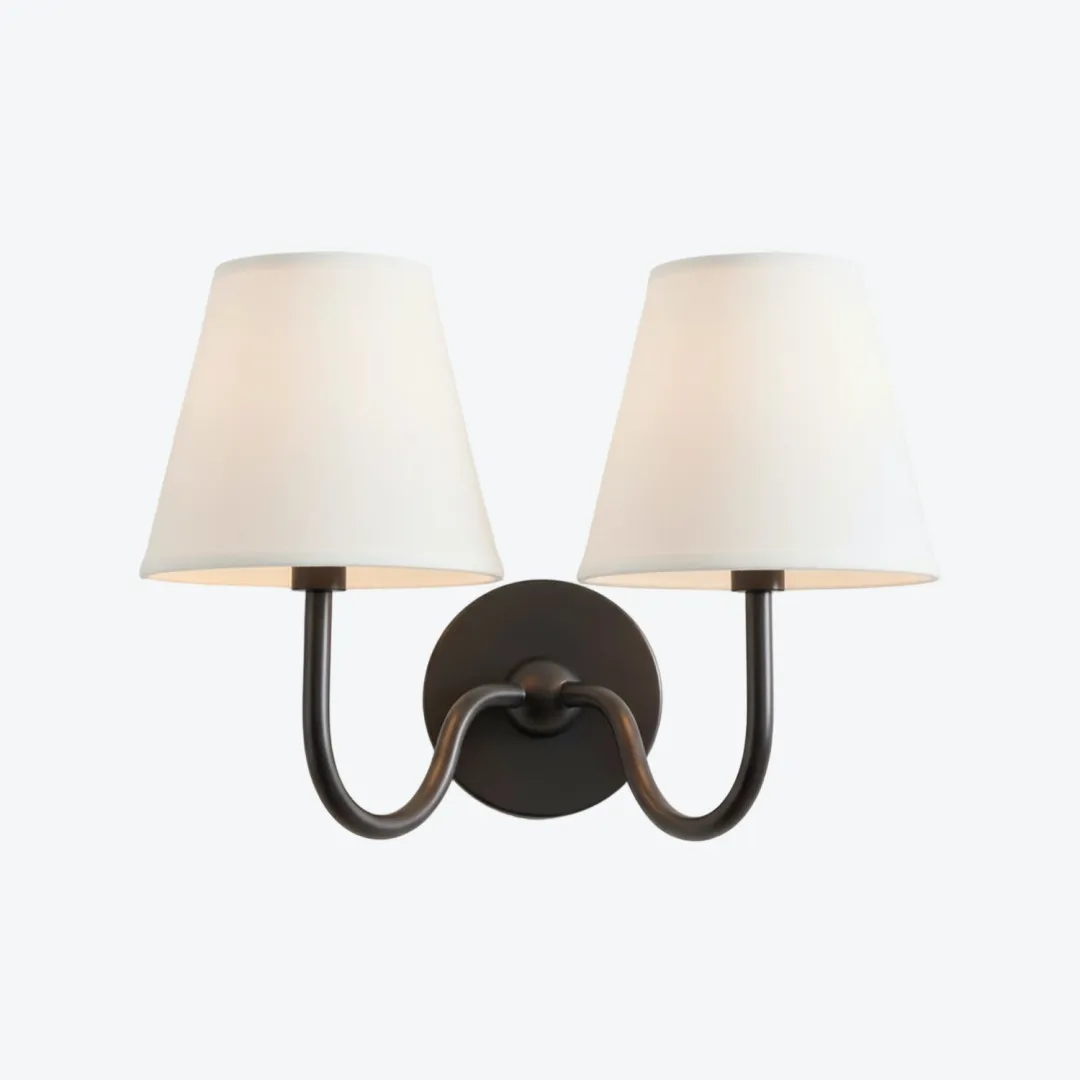
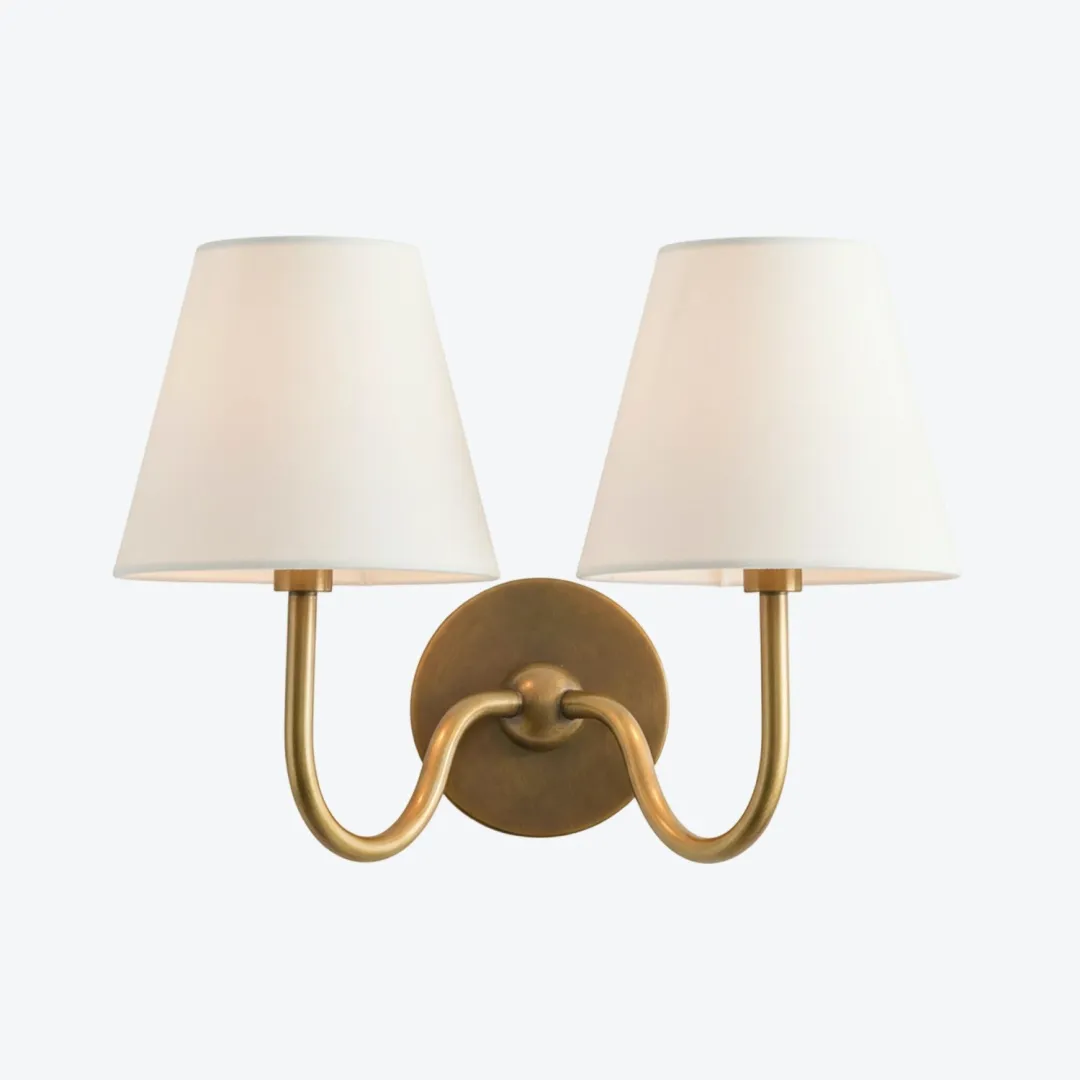
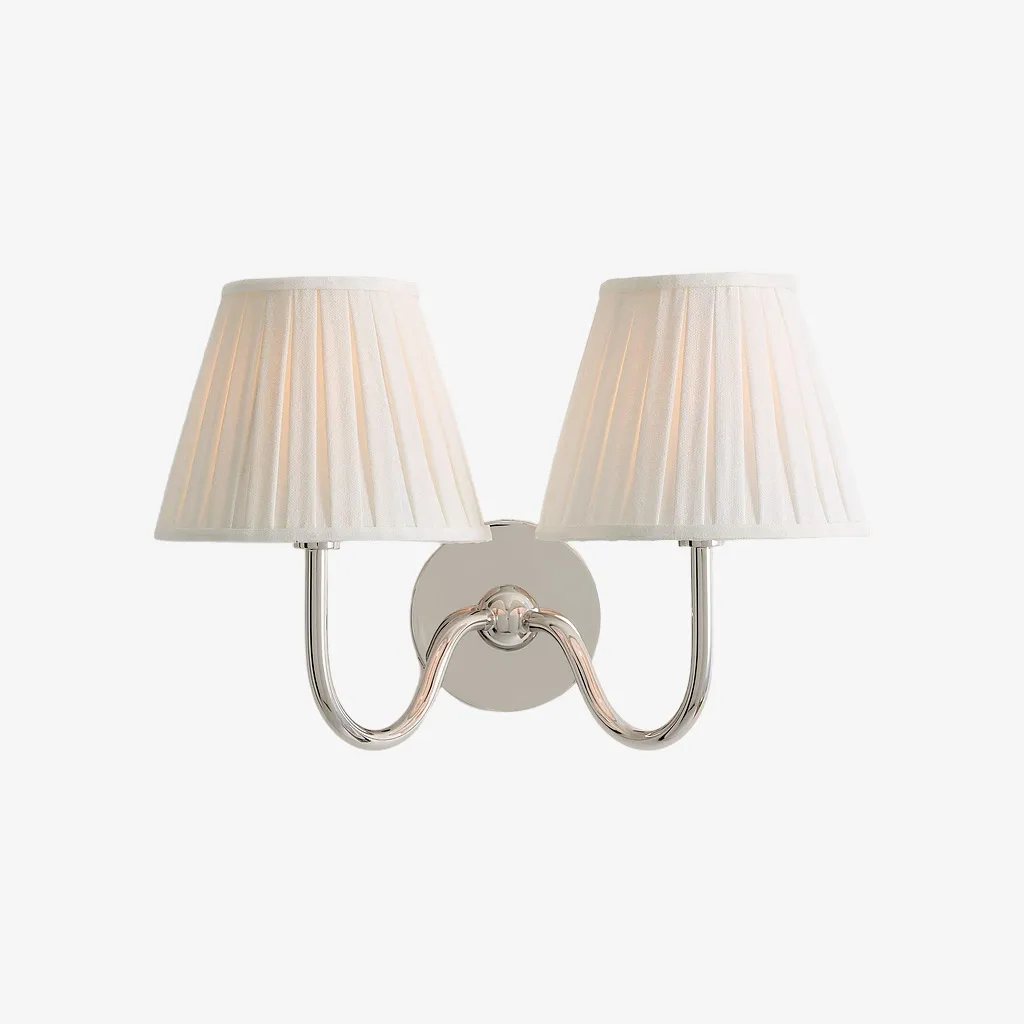
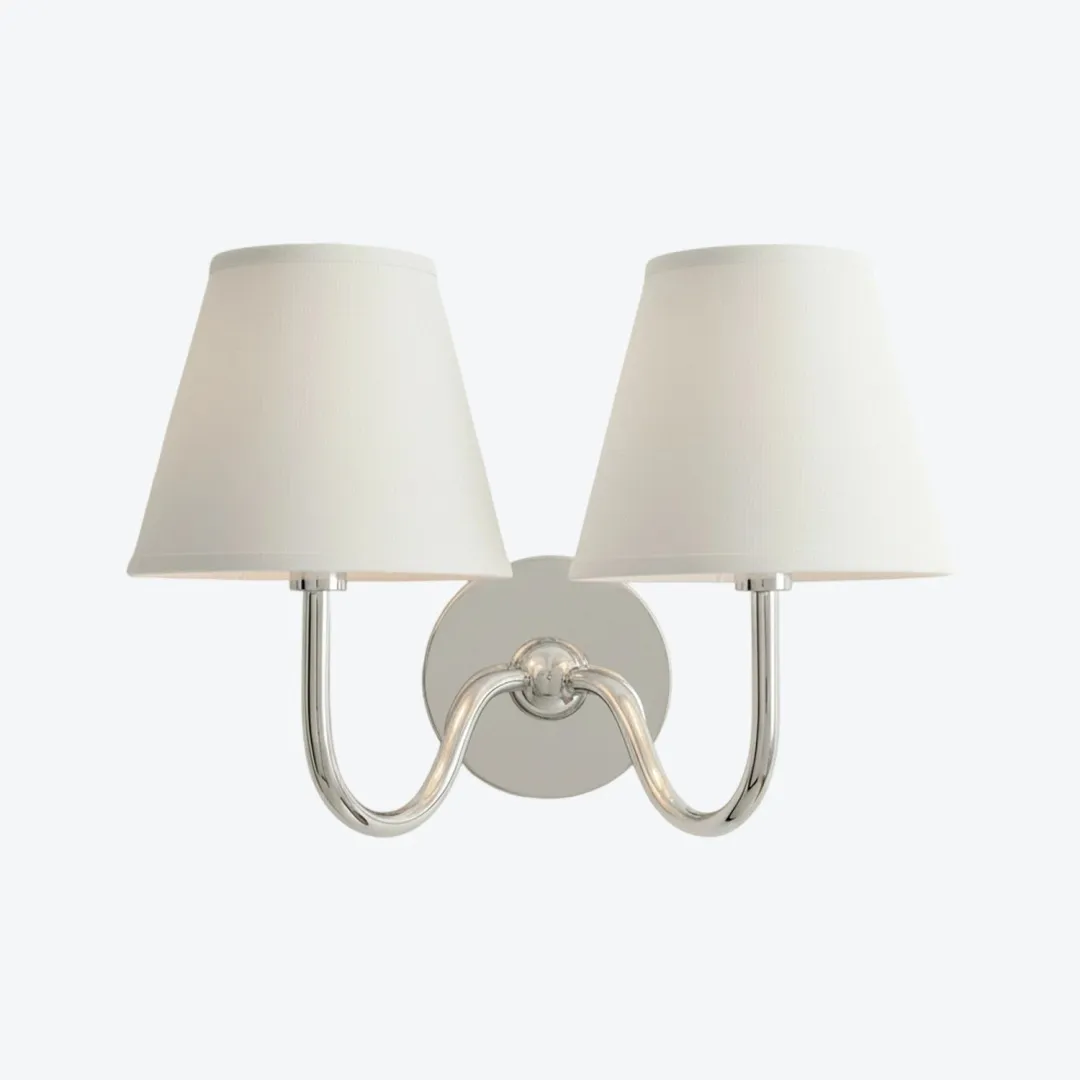
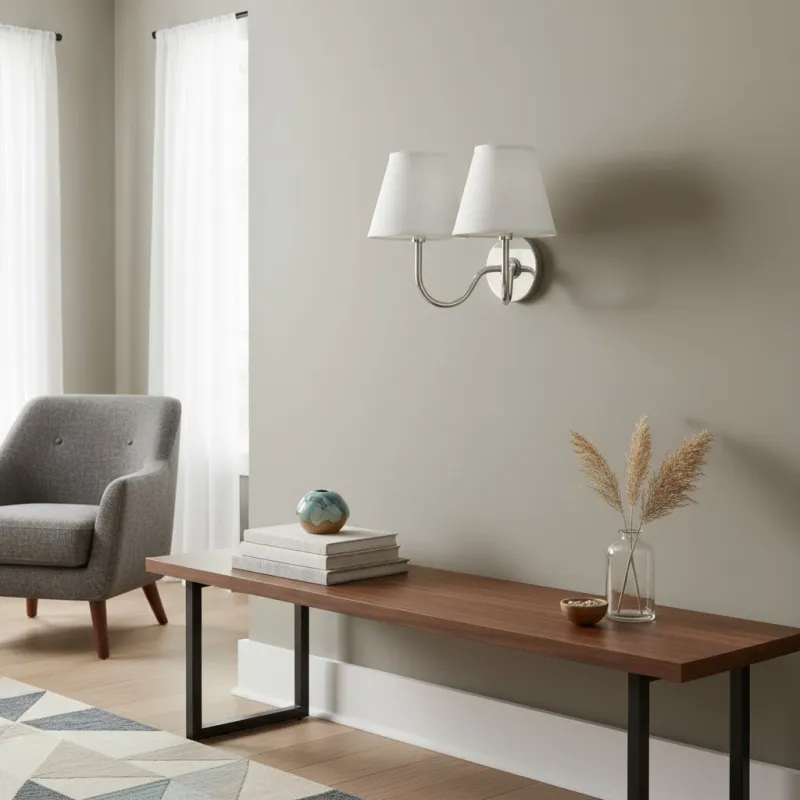
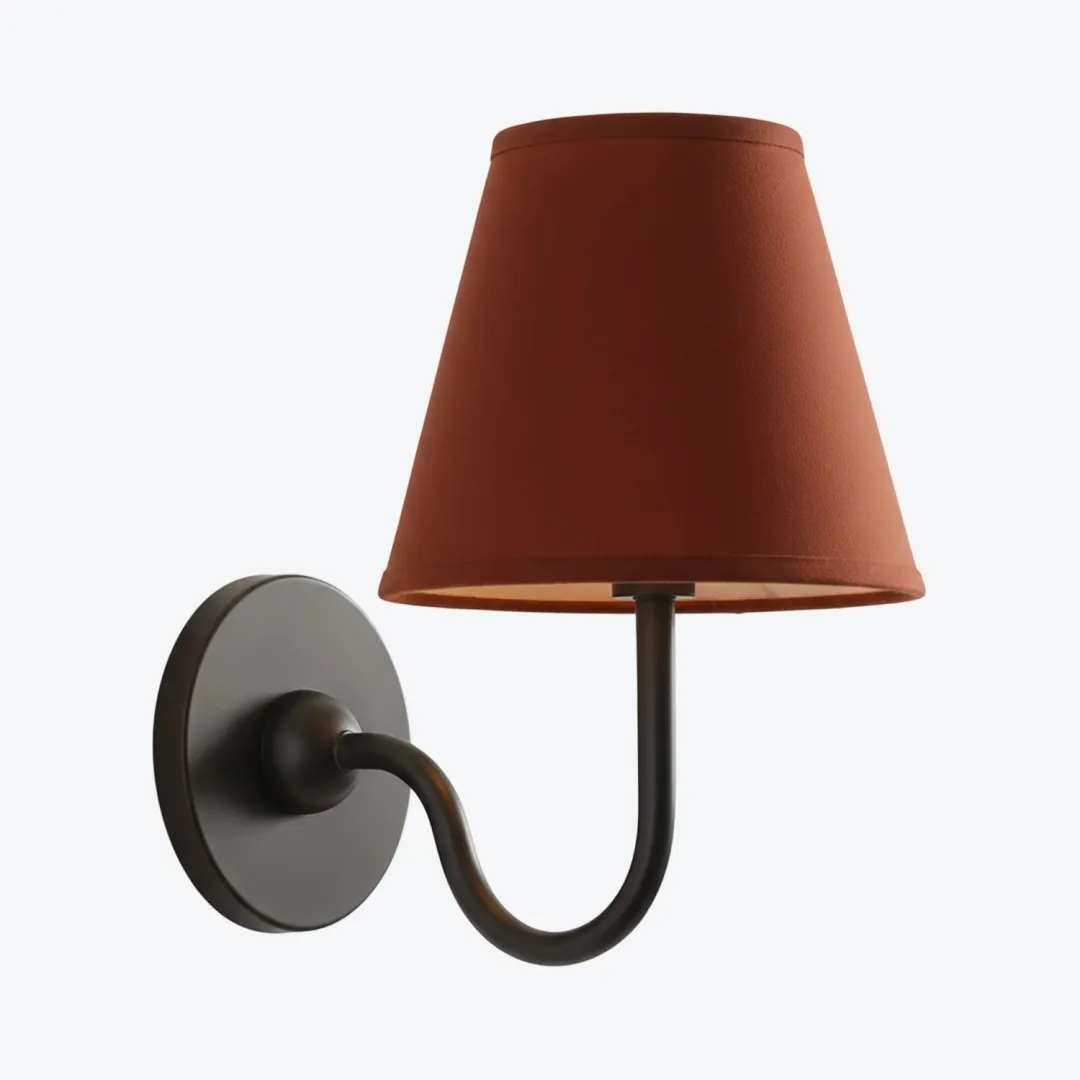
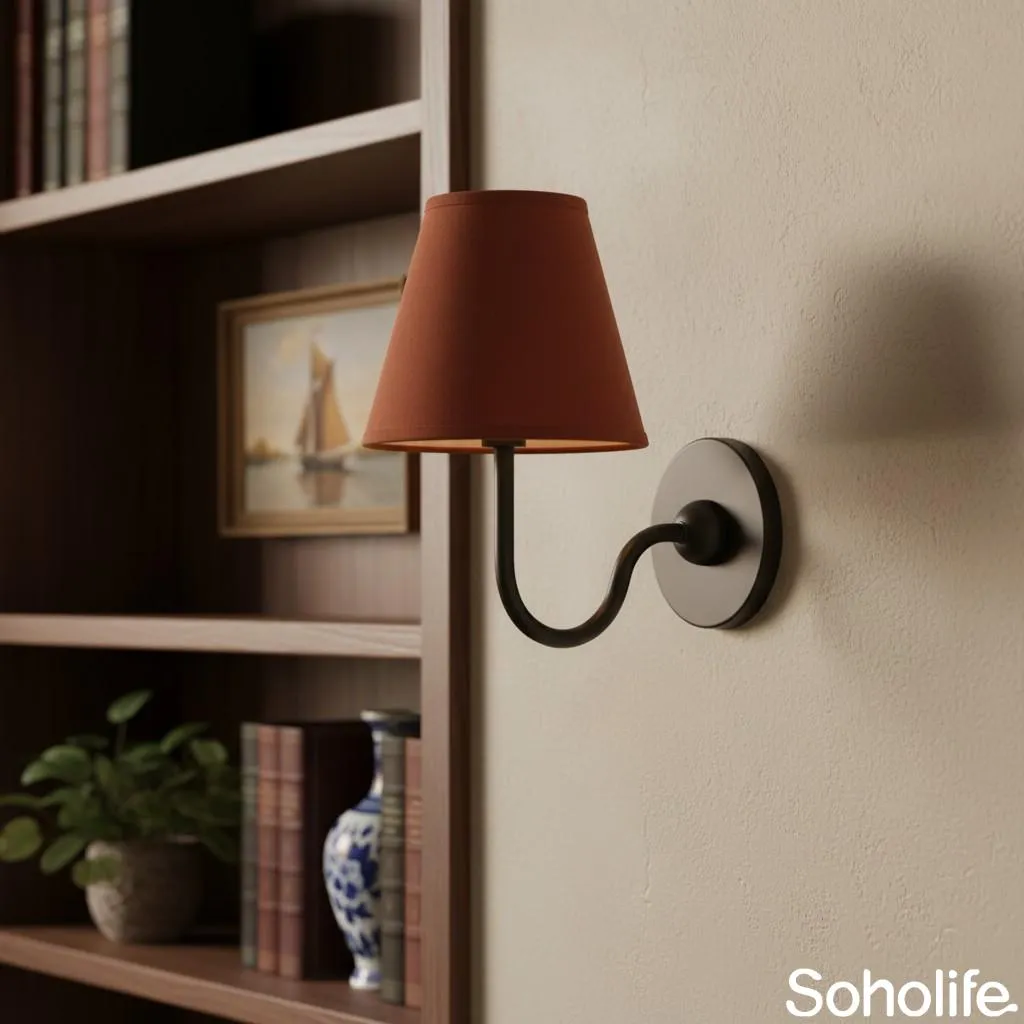
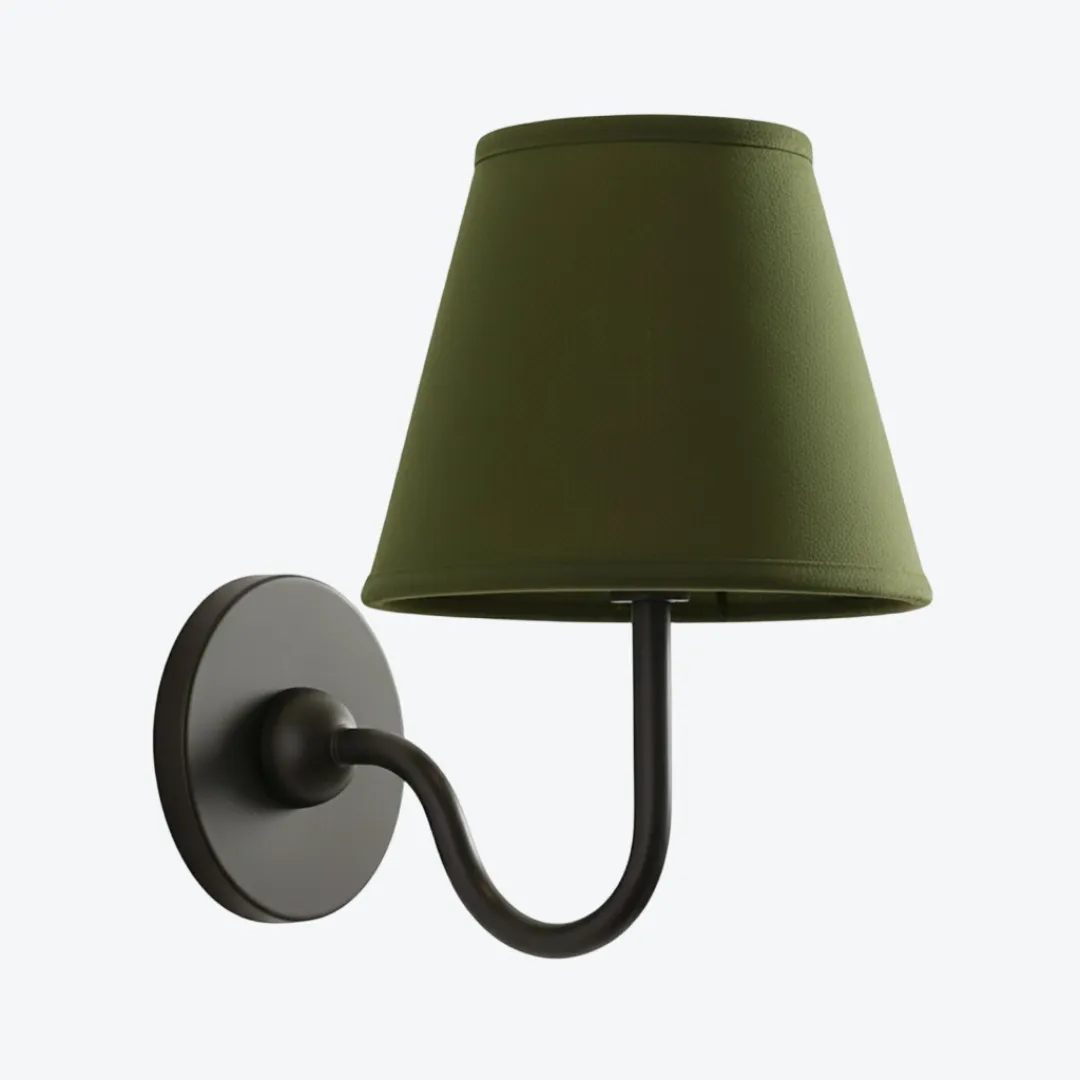
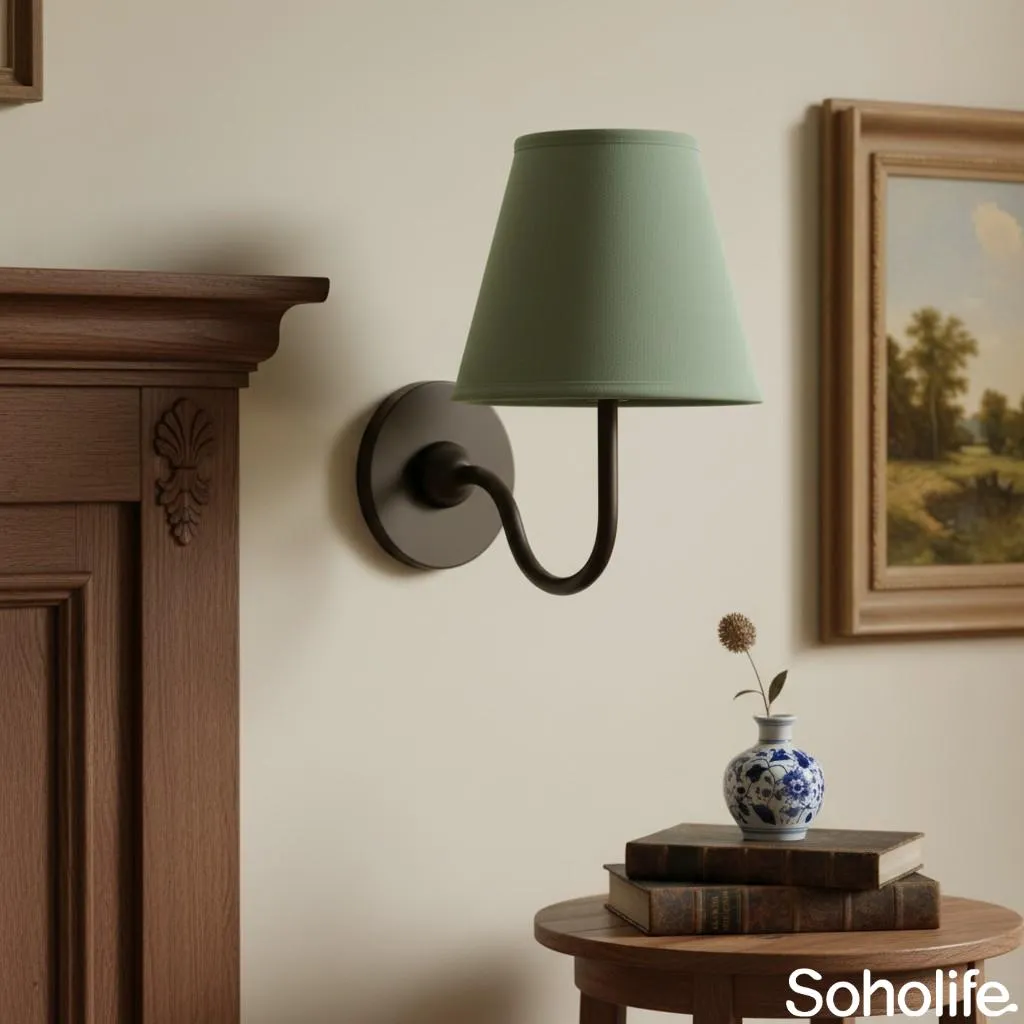
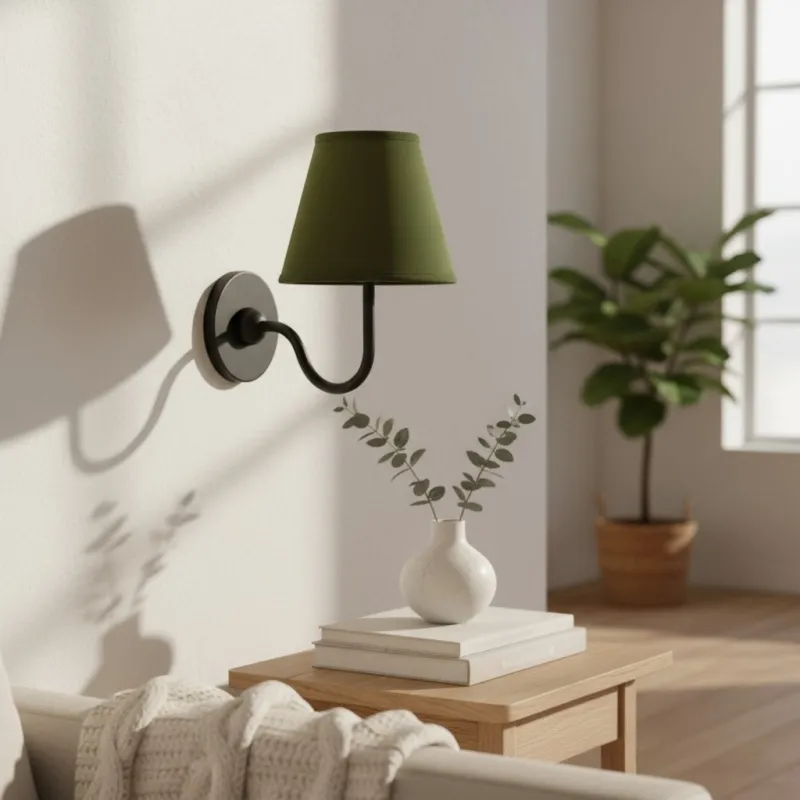
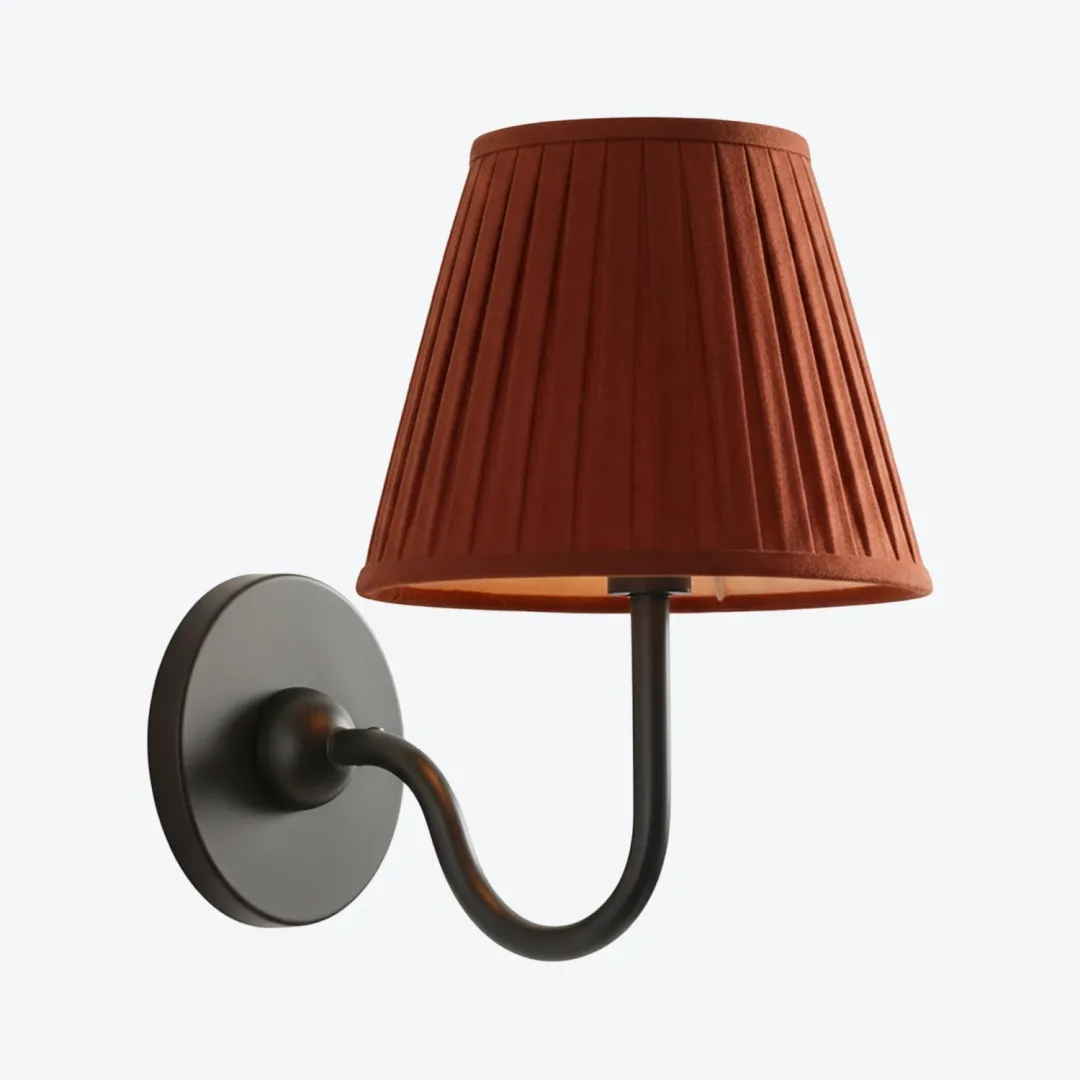
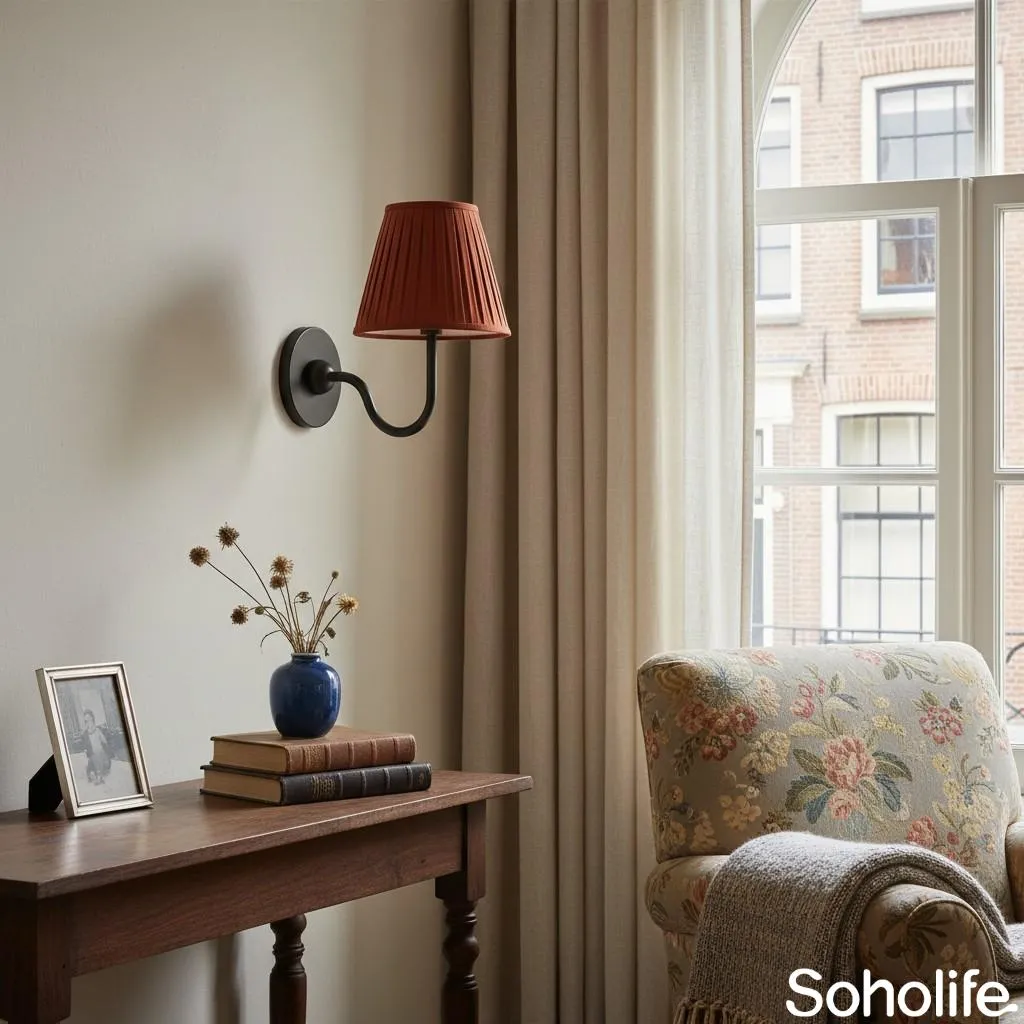
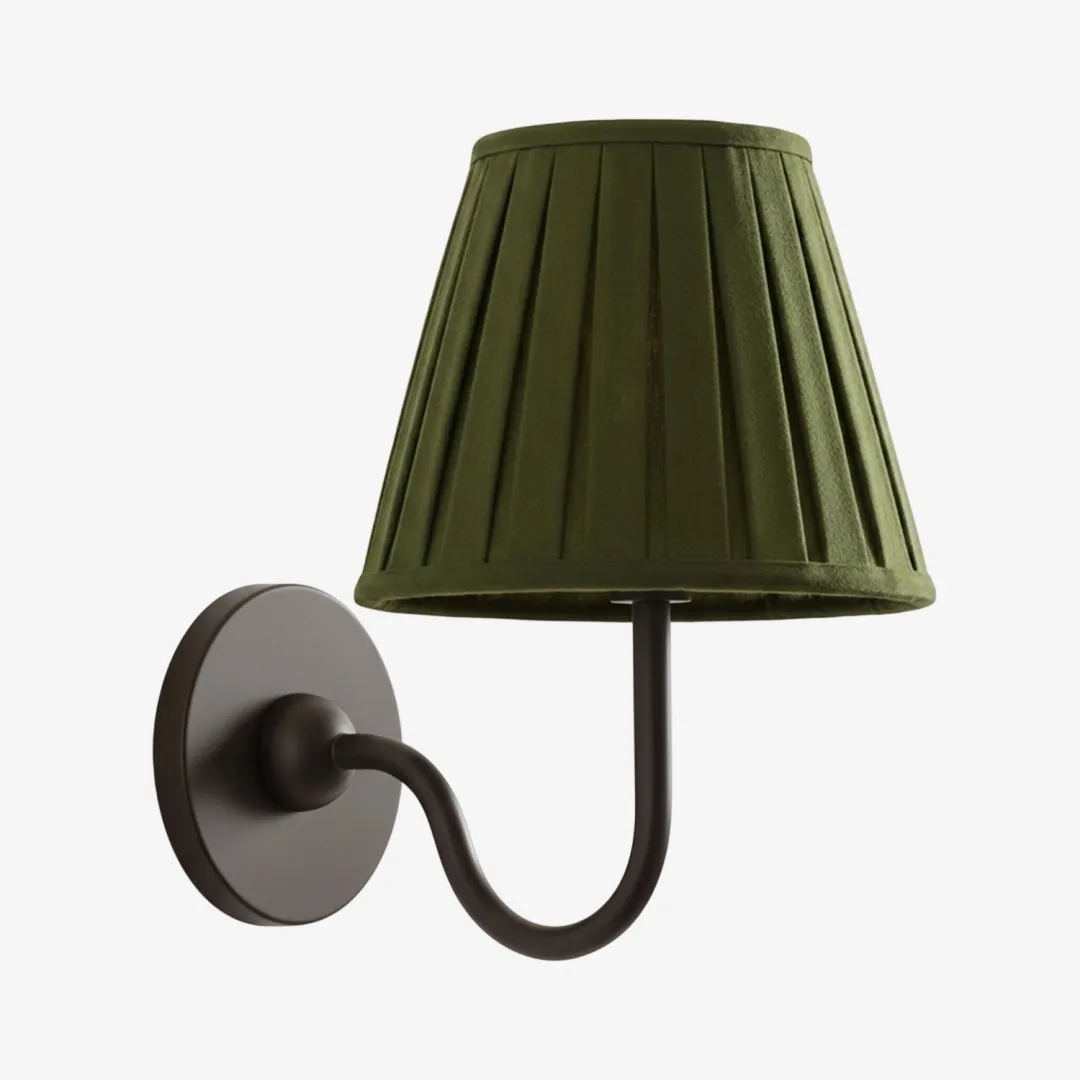
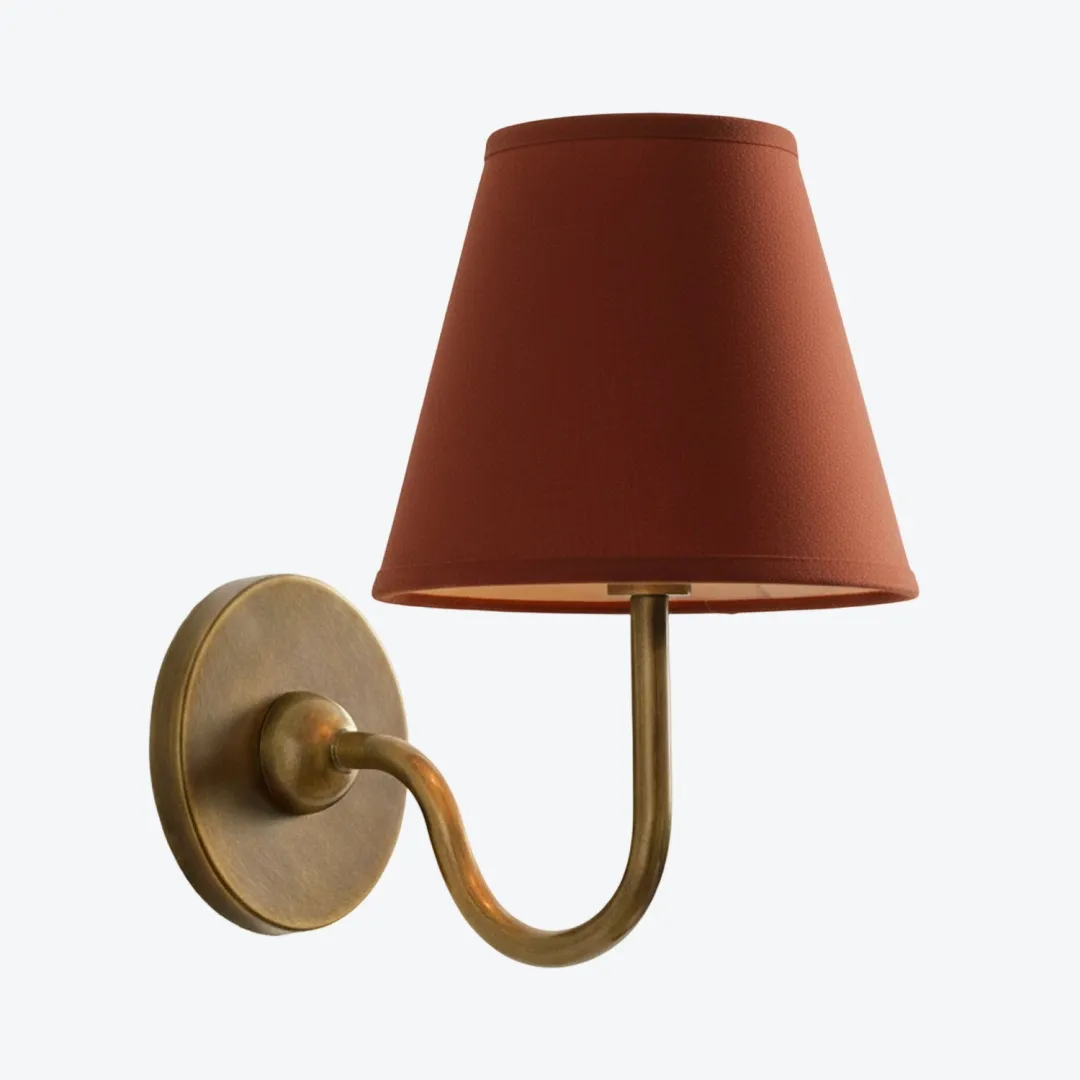
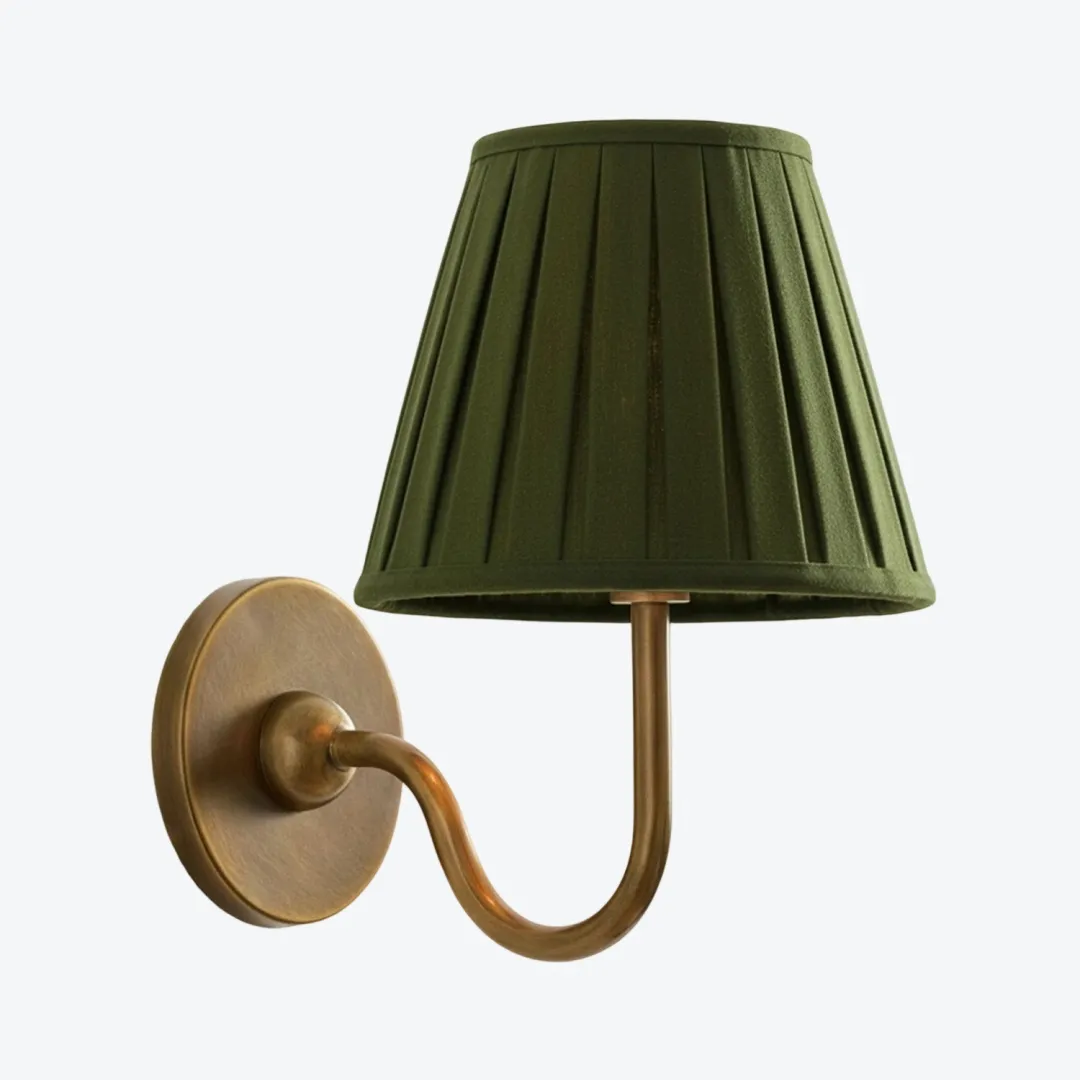
The Luvora combines an iron body with a linen shade and uses an E12 socket; the bulb is not included. The listed single-head size is approximately 18 cm wide, 25 cm deep, and 25 cm high. The double-head version is approximately 40 cm wide, 23 cm deep, and 25 cm high. Draw those dimensions on paper or low-tack tape and check the entire projection from the wall, not only the width of the backplate.
For one compact bedside position, the single-head format is the logical first configuration to assess. A double-head fixture is a different layout decision, not simply a larger single sconce. Read Is One Wall Lamp Enough? When to Use a Single Sconce or a Pair before deciding whether one light, a pair, or a multi-head arrangement makes sense.
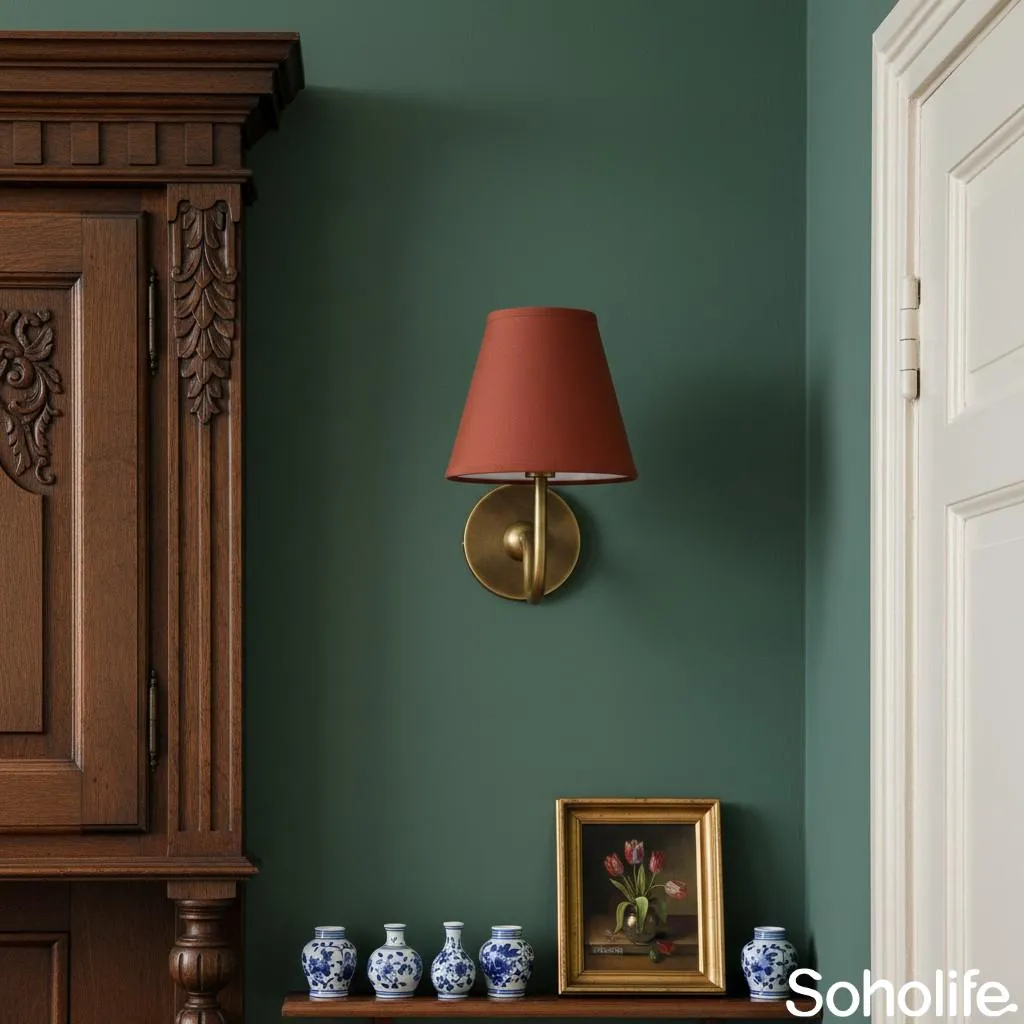
If the single-head dimensions clear the bed and the hardwired installation is practical, review the available Luvora shade and finish options against your room materials before finalising the position.
A Final Bedside Check Before You Buy
- The nightstand inventory proves that removing the lamp base creates useful space.
- The full fixture outline clears the headboard, pillows, curtains, doors, and shelves.
- The control is reachable from the user's normal sitting or lying position.
- A professional has confirmed a suitable route for hardwired installation.
- The E12 bulb fits the shade and sends light where the bedside task needs it.
- The bed and nightstand are unlikely to move after the fixture is installed.
If every item passes, check the current Luvora configuration and dimensions one final time before purchase. If one fails, keep the portable lamp while you solve that constraint; a clear surface is only worthwhile when the new lighting remains comfortable and convenient.
FAQ: Bedside Wall Sconces in Small Bedrooms
Does a wall sconce always save nightstand space?
It removes the lamp base and cable from the surface, but clutter remains unless other bedside items have assigned places.
Can I install the Luvora without wiring work?
The product page lists it as hardwired, so plan for an appropriate fixed electrical installation.
What height should a bedside sconce be?
Use the mattress, pillow, headboard, sightline, and switch reach to determine the position; one floor-based height does not fit every bed.
Is a fabric shade suitable for reading?
It can support casual reading when placement and bulb direction work, but focused reading may need a more directed source.