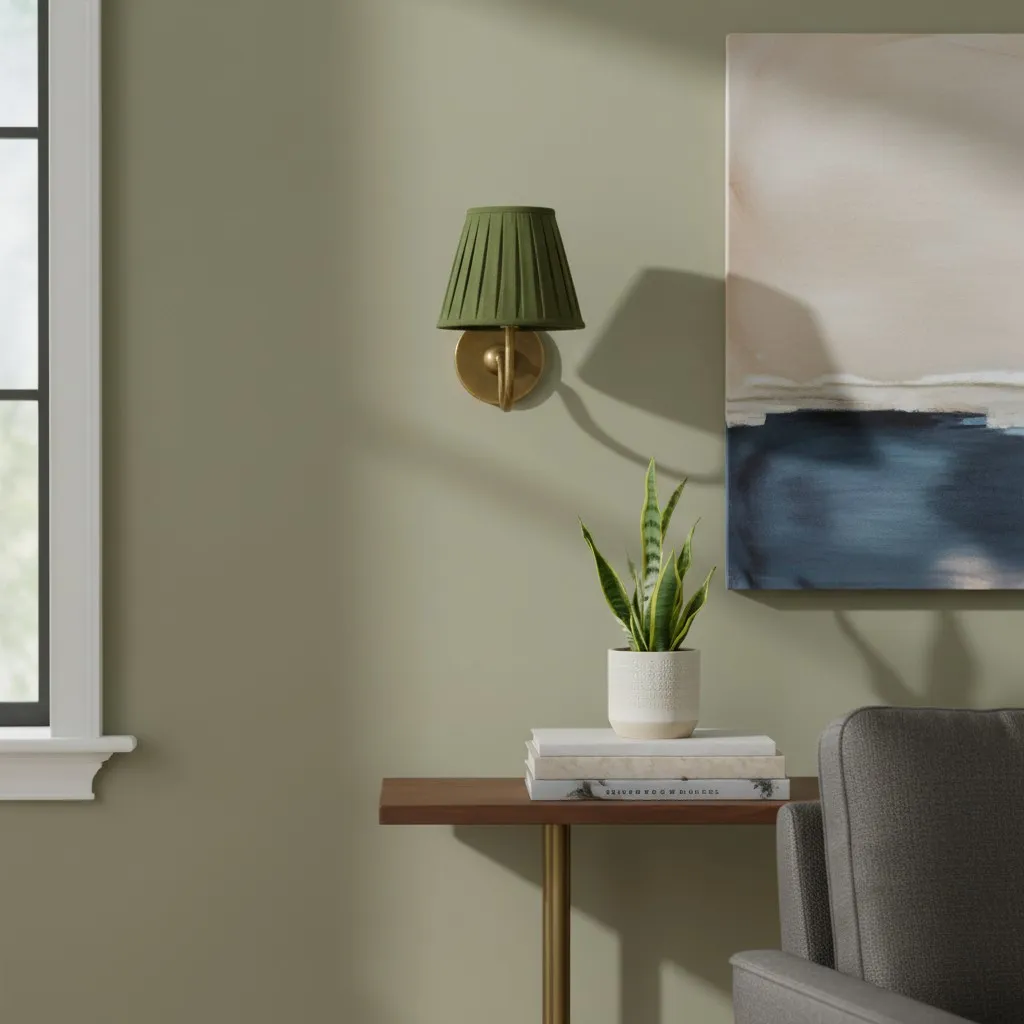

BEDROOM LIGHTING GUIDE
Softer Nights: How Pleated Fabric Wall Lamps Can Fix Harsh Bedroom Lighting
Harsh bedroom lighting is rarely fixed by choosing a warmer-looking bulb alone. The real problem may be a bright source in your direct line of sight, one powerful ceiling light creating sharp contrast, excessive output, or a lamp mounted where the bulb becomes visible when you sit up in bed. A pleated fabric wall lamp can soften the room, but it works best as part of a deliberate lighting layer rather than as a decorative swap.
First identify which light source feels uncomfortable; then shield the source, reduce unnecessary output, and add a softly shaded light near bedside level. Before installation, test the lamp’s outline from both lying and sitting positions. Choose the bulb and controls only after checking the fixture’s socket, wiring, and shade.
What “Harsh” Actually Means in a Bedroom
Stand in the doorway with the lights on, then repeat the check from the pillow. Ask four separate questions:
- Can you see a bright bulb or concentrated LED point? A visible high-luminance source can feel glaring even when the room is not especially bright.
- Is the ceiling bright while the walls and bedside area stay dark? That single-layer contrast makes the room feel flatter and more severe.
- Is every surface brighter than the task requires? Too much output cannot be corrected by shade texture alone.
- Does the light enter your eyes only when you recline or sit up? This points to a sightline problem rather than a general brightness problem.
This diagnosis matters because each cause needs a different response. A warmer colour appearance may feel cosier, but it does not physically hide an exposed source or correct a poor position.
First Fix the Source You Can See
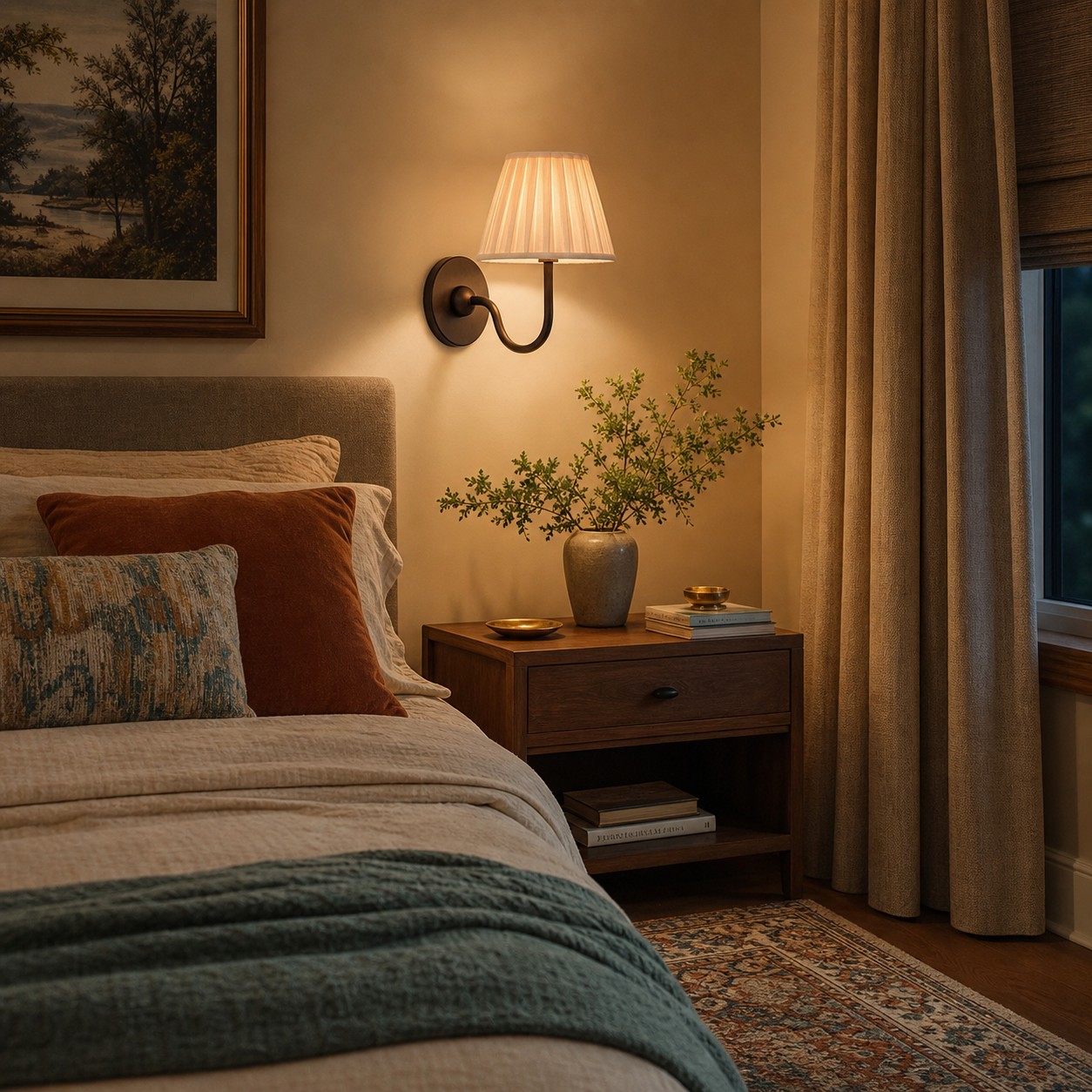
The International Commission on Illumination treats source luminance and non-uniform bright areas as relevant to discomfort glare. In plain language, a small intense patch can be more annoying than a larger, gentler glow. Start by changing what the eye sees: use an opaque or fabric-shaded fixture, reposition a lamp that exposes its bulb, or reserve the brightest light for tasks rather than bedtime.
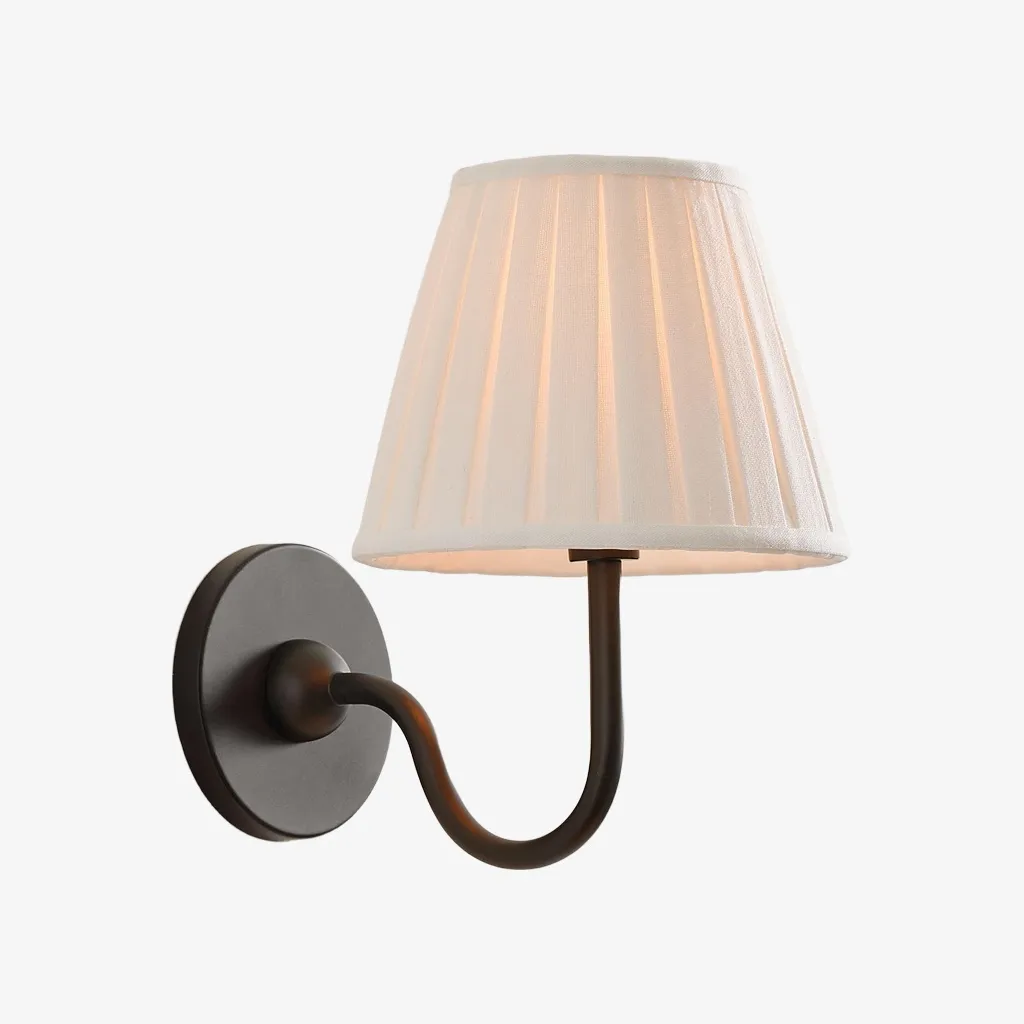
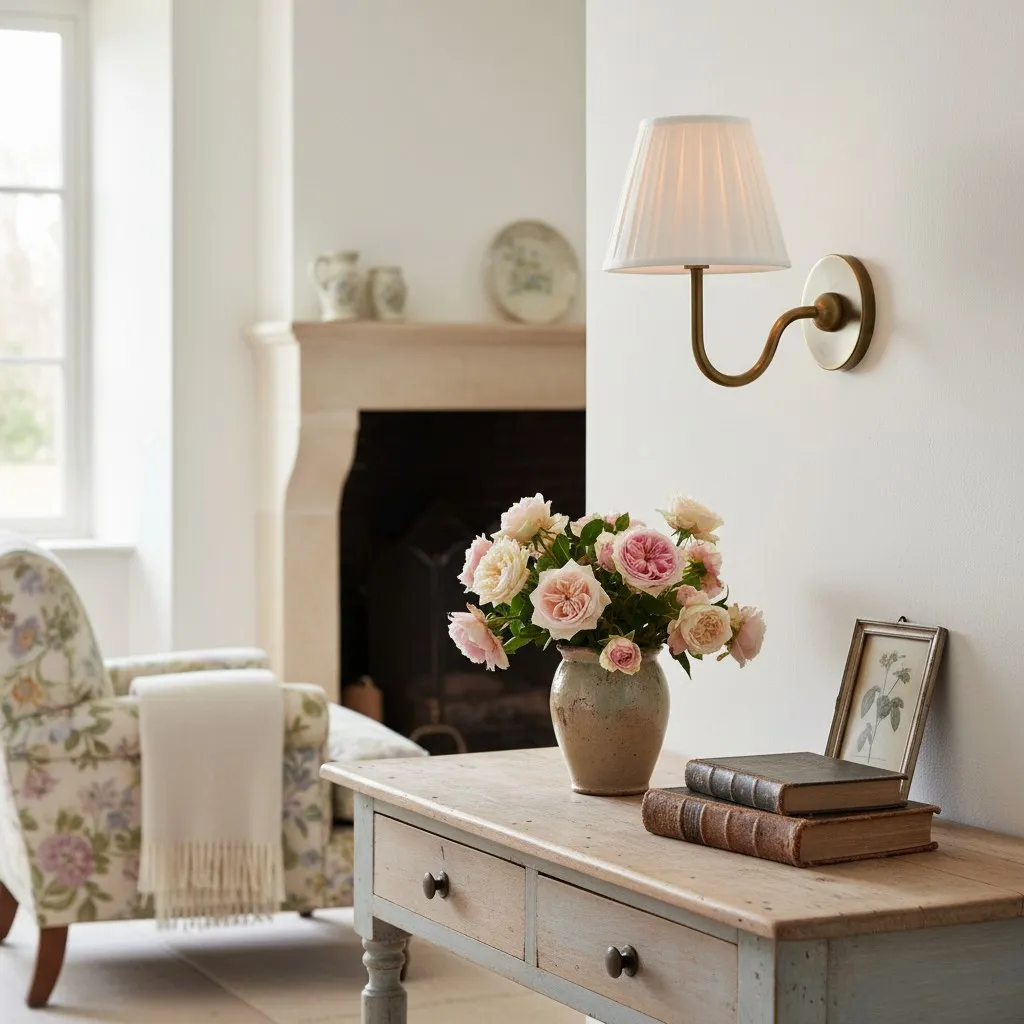
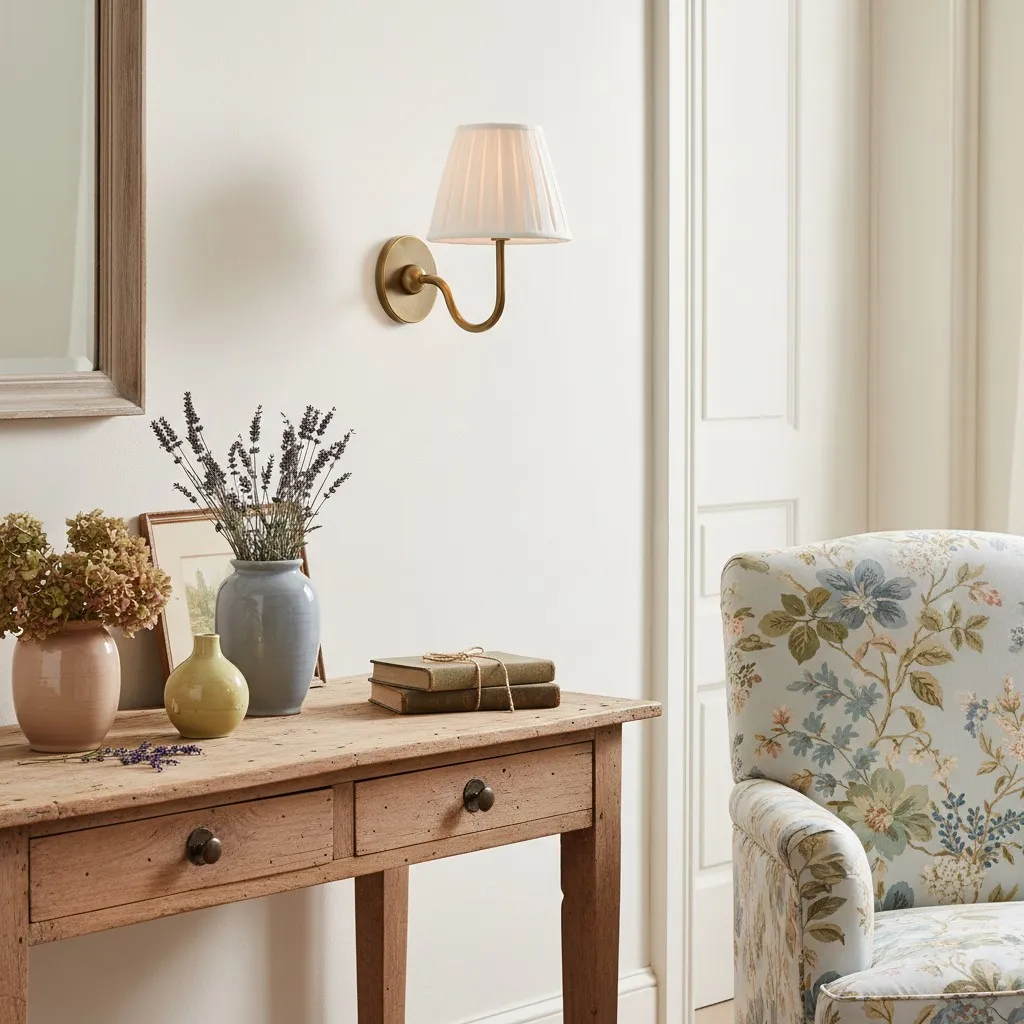
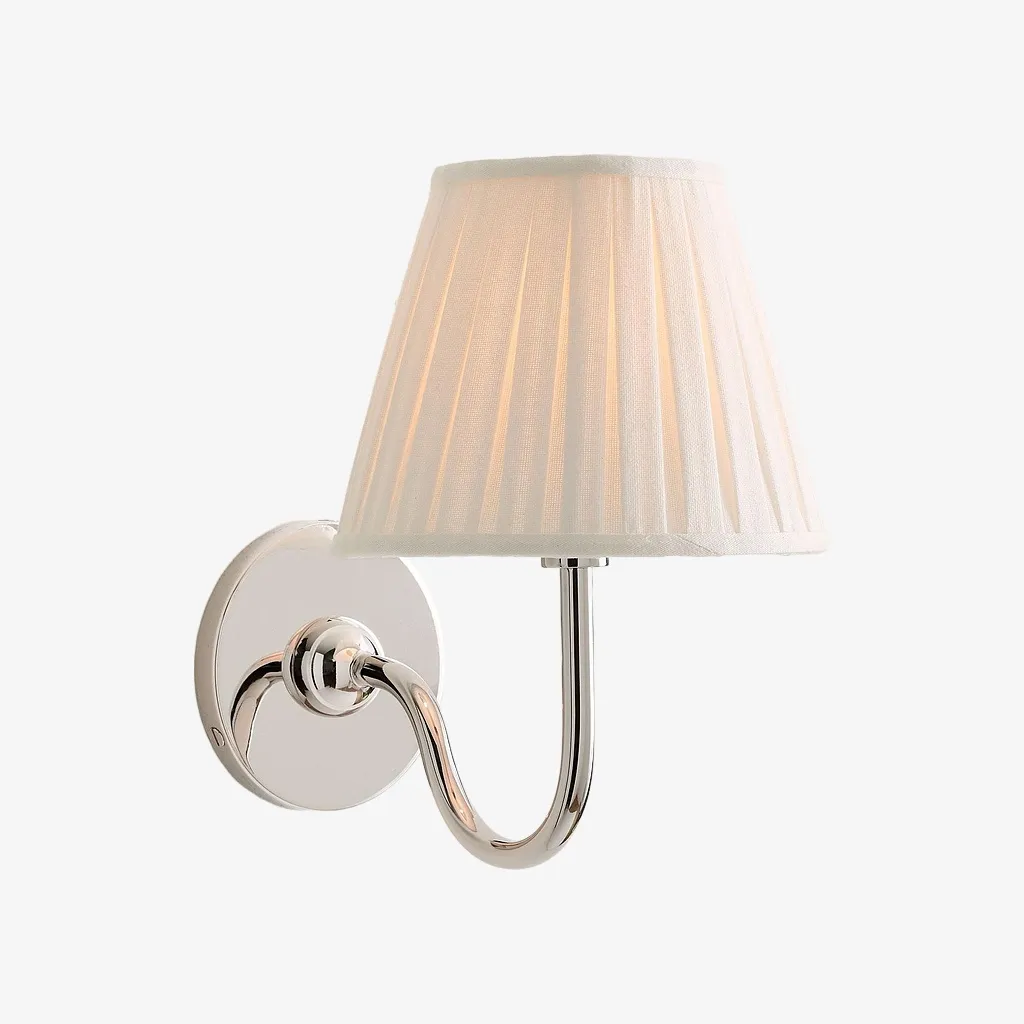
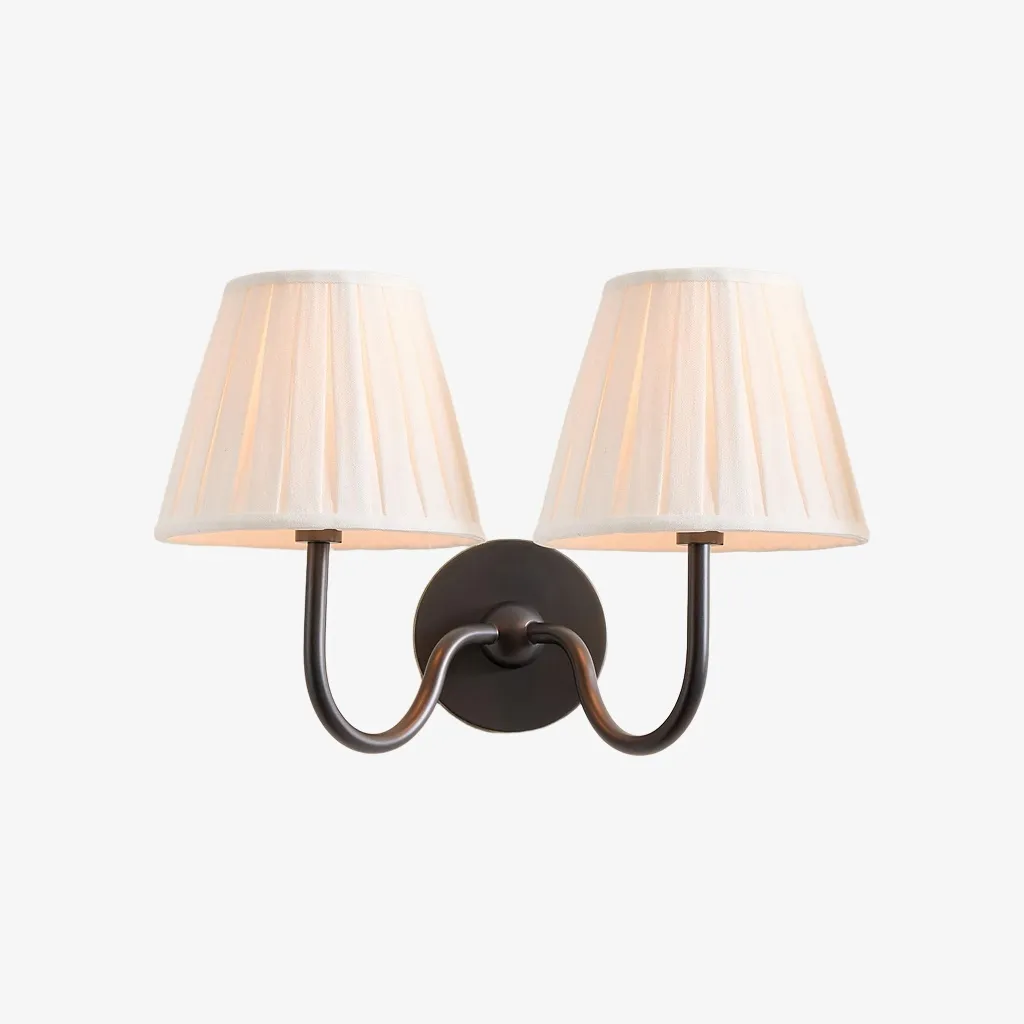
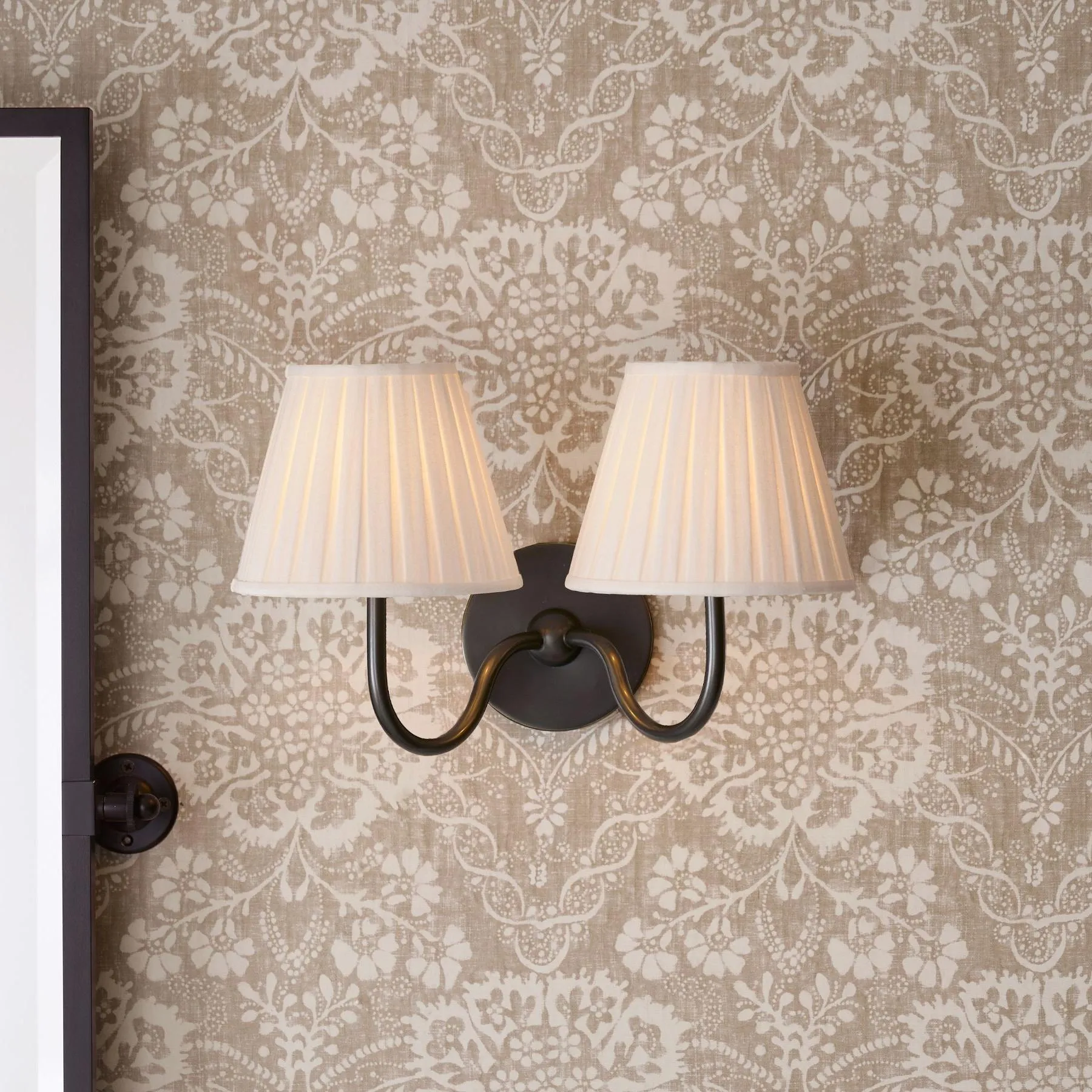
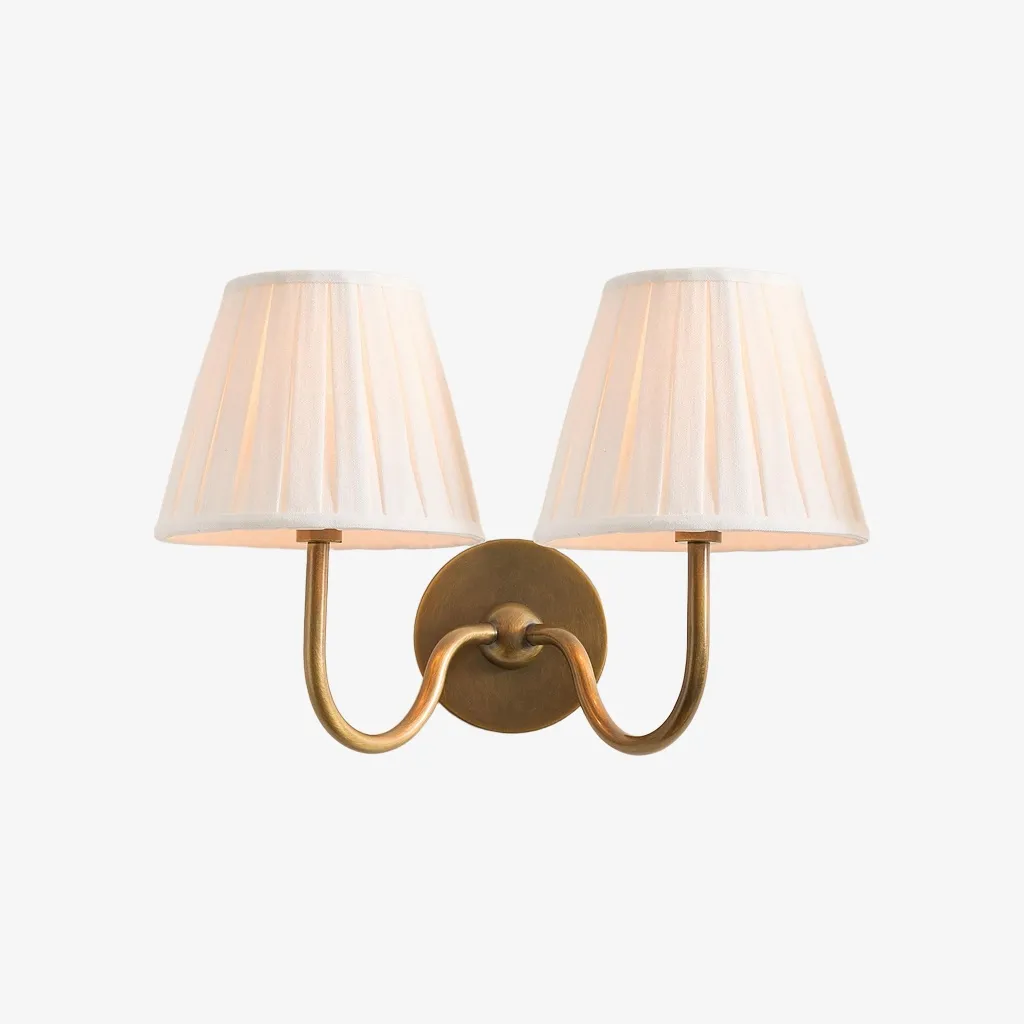
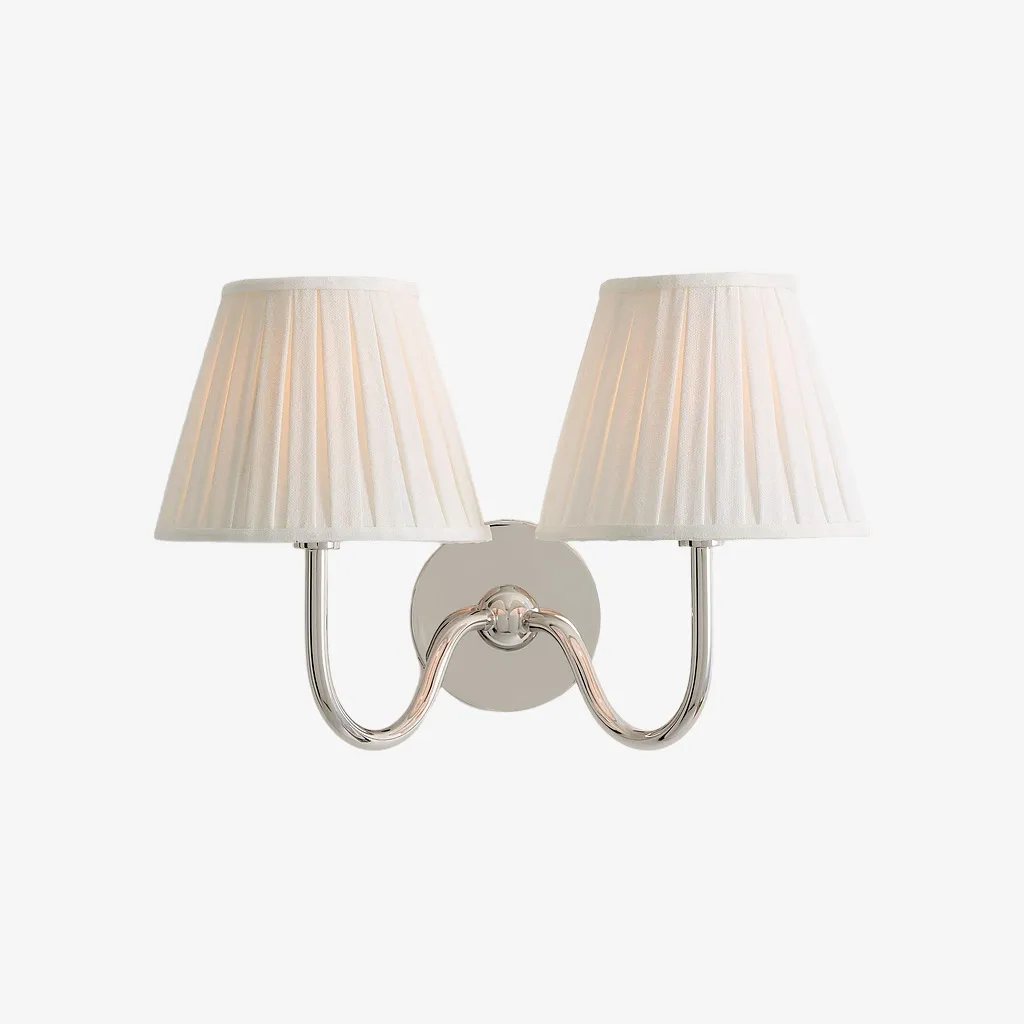
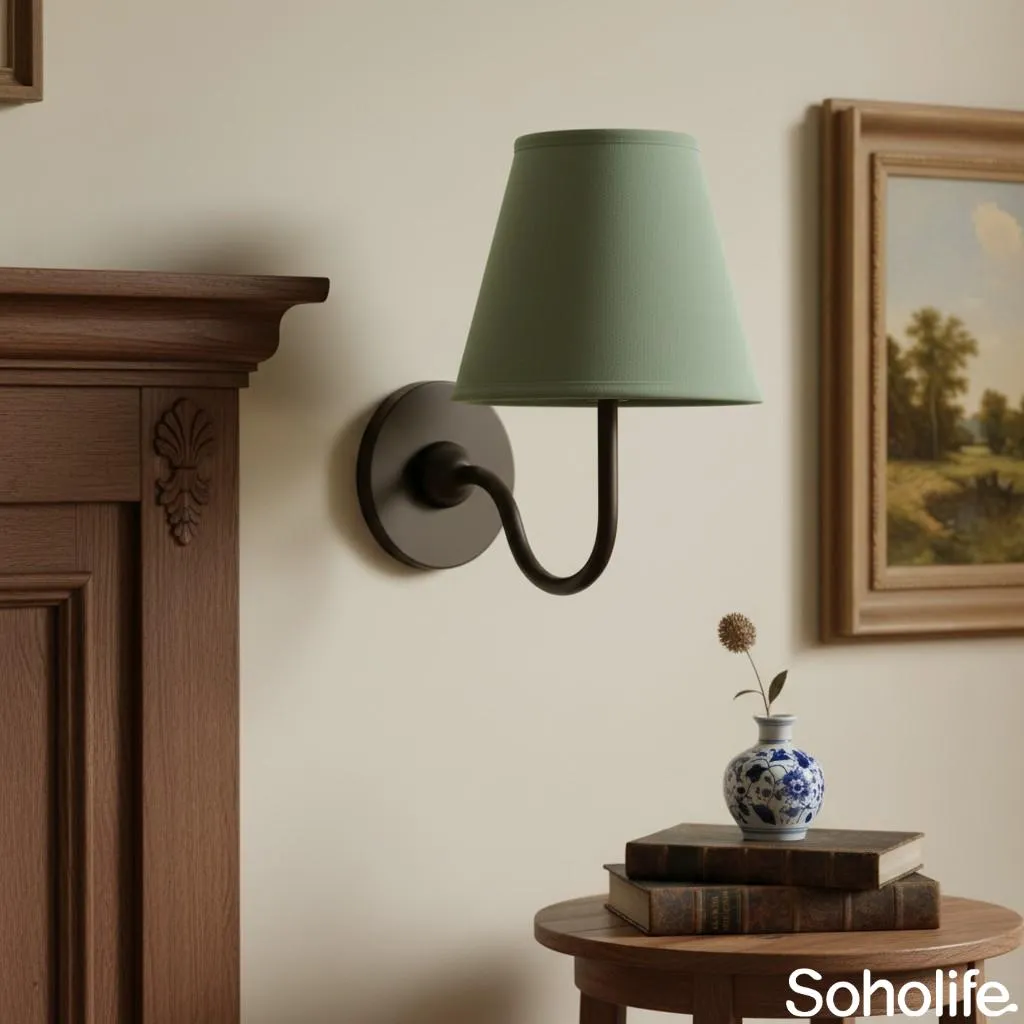
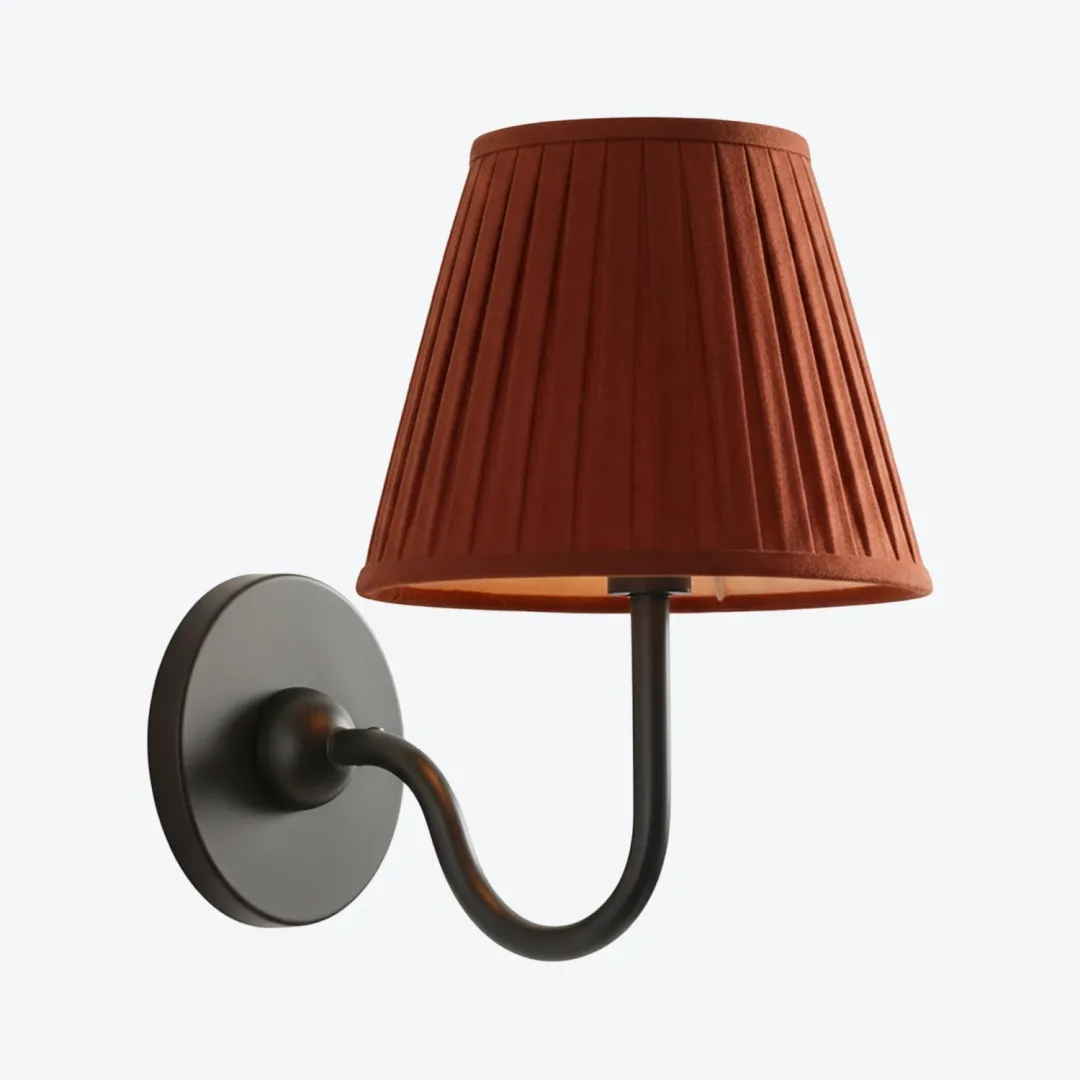
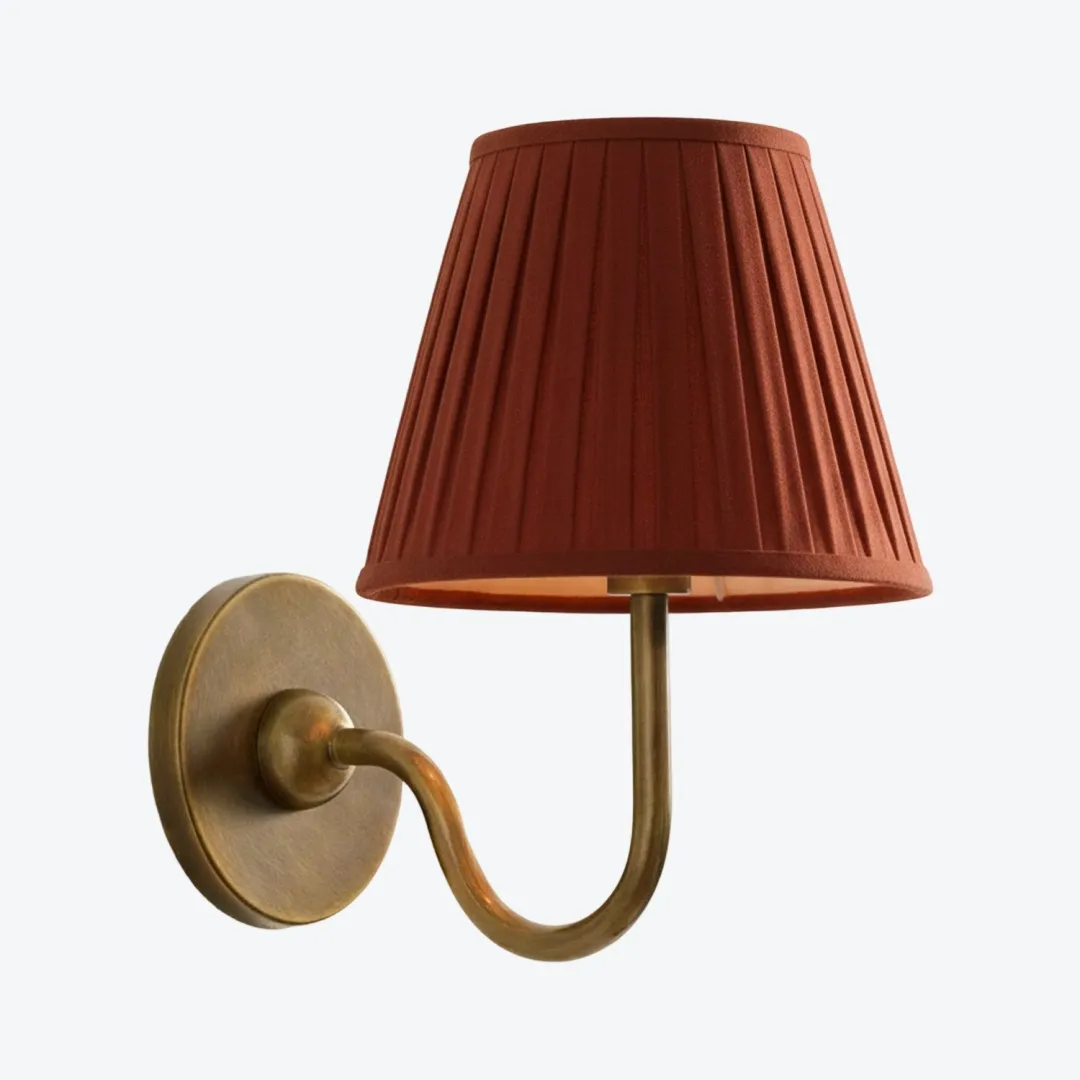
Pleated linen helps because the shade interrupts the direct view and spreads some light across a broader surface. It will not eliminate every glare issue—light can still escape above or below the shade—but it can make the visible source less abrupt than a bare bulb.
Add a Softer Second Layer at Bedside Level

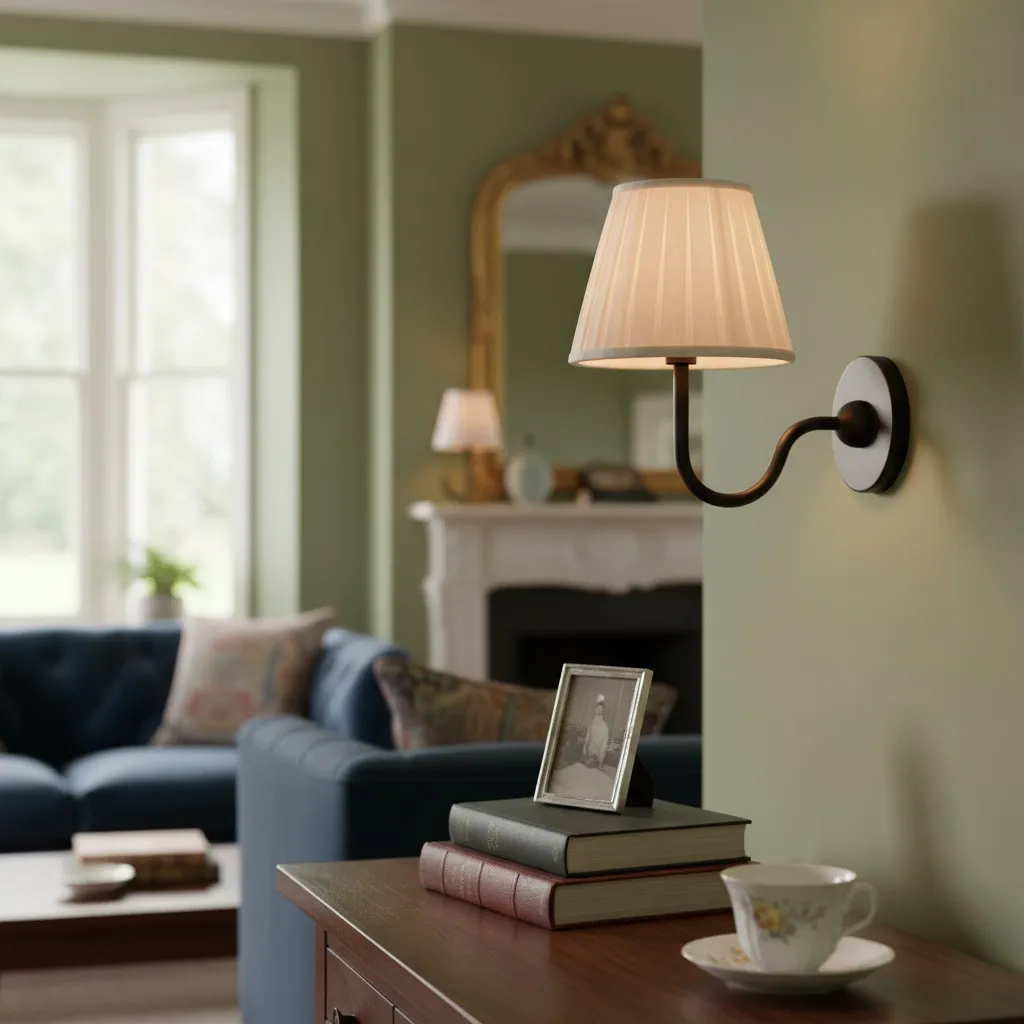
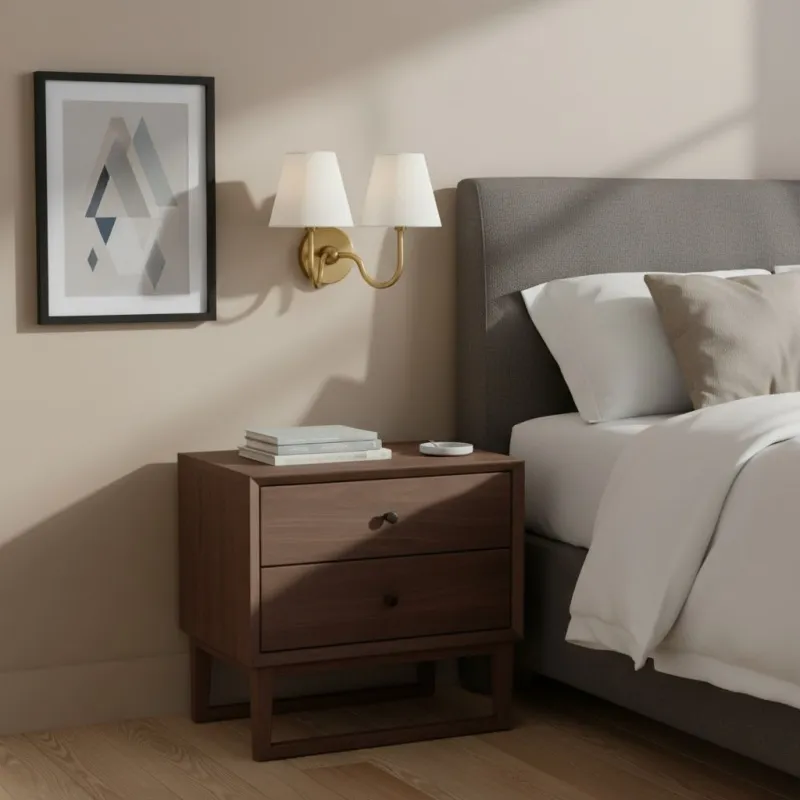
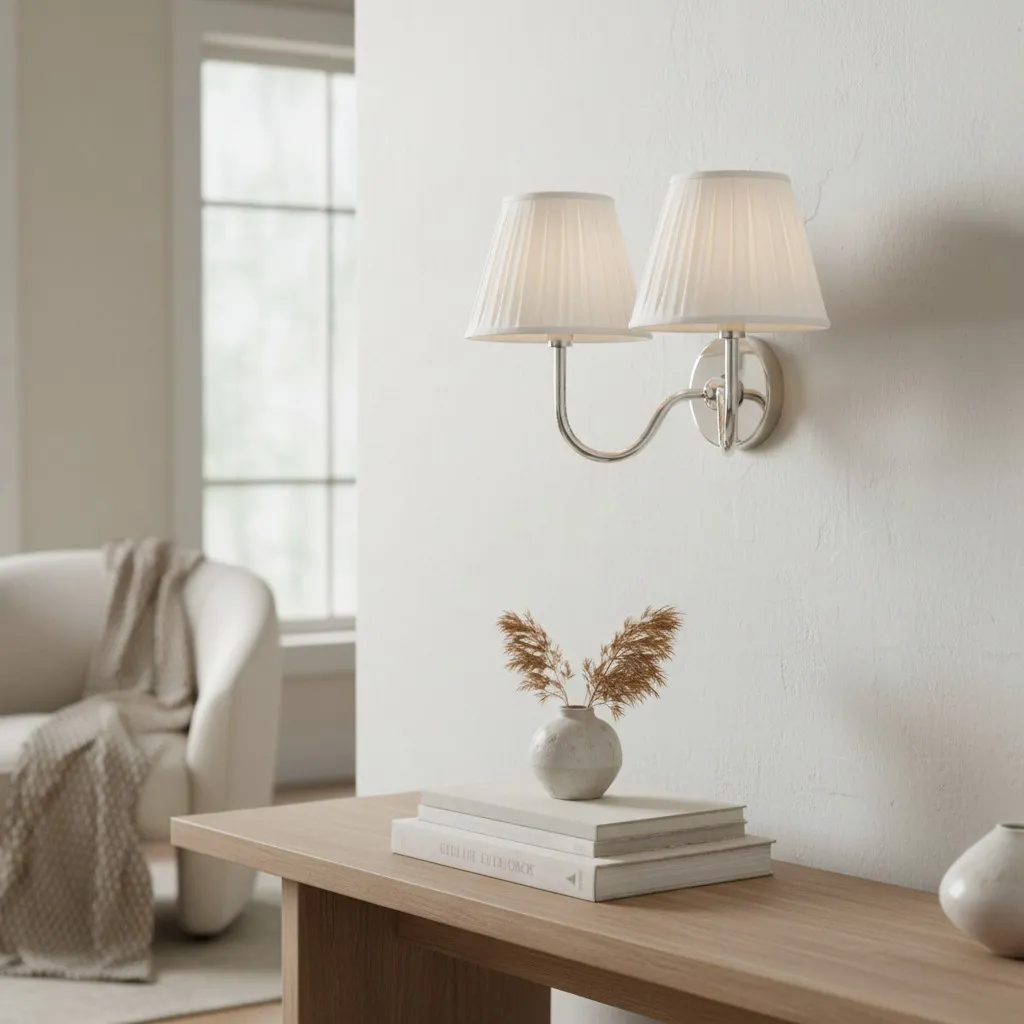
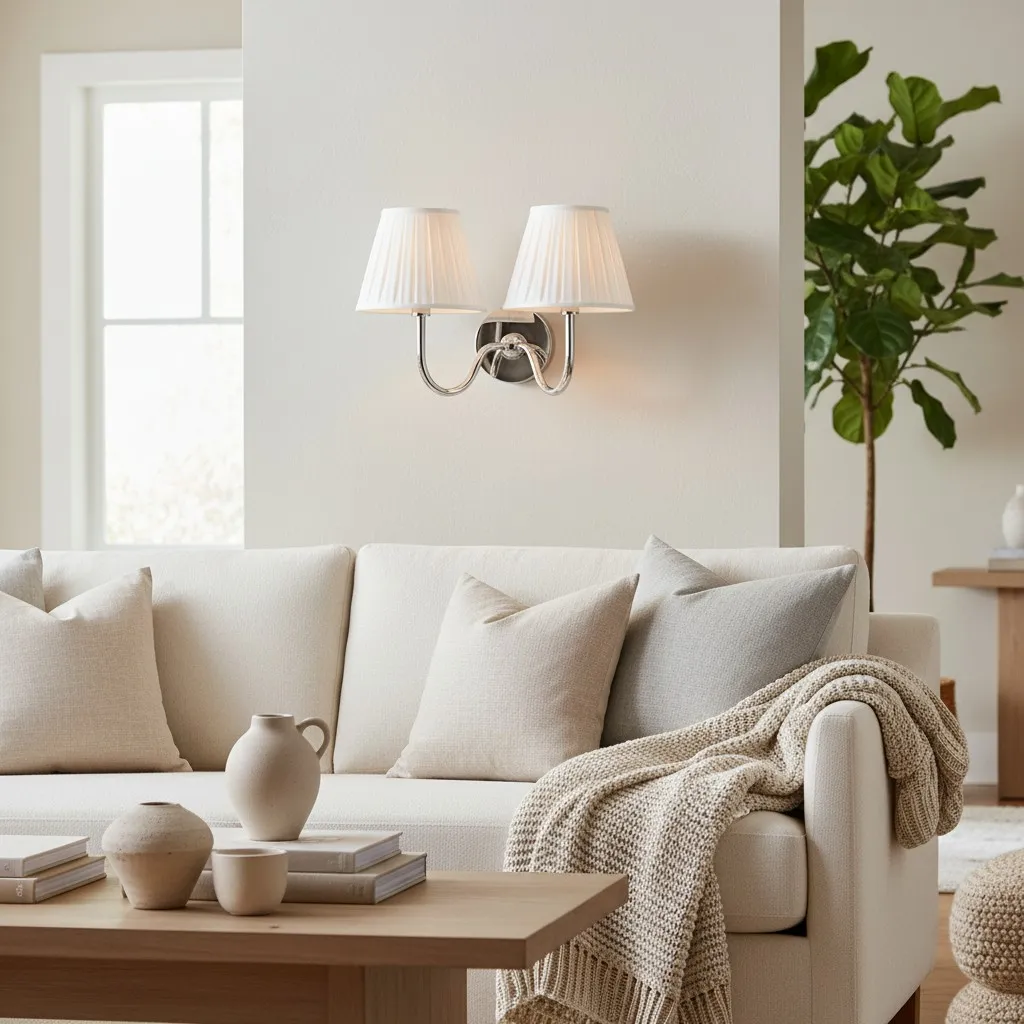
A ceiling fixture asks one light to serve the whole room. Adding a wall lamp creates a second layer: the room can retain enough ambient light while the highest-output source is reduced or switched off. This is especially useful in the final part of the evening, when a calmer bedroom environment is more appropriate. The National Heart, Lung, and Blood Institute’s overview of the sleep-wake cycle explains why evening light exposure deserves attention, although a lighting change should not be presented as medical treatment.
A fabric shade is best for atmosphere, dressing, conversation, and low-demand bedside use. If you read small print for long periods, keep a separate directed task light or choose a fixture designed to aim light at the page. Do not compensate for poor direction by installing an unnecessarily powerful bulb.
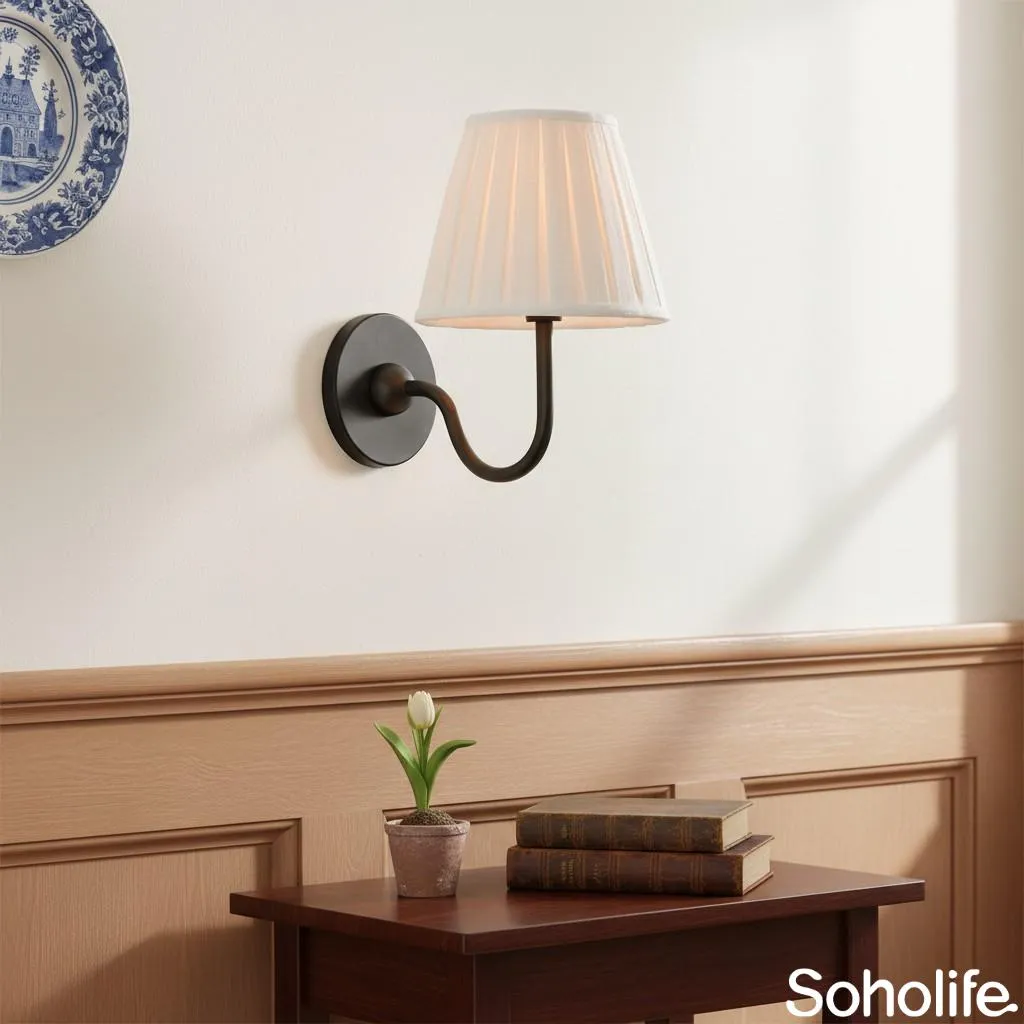
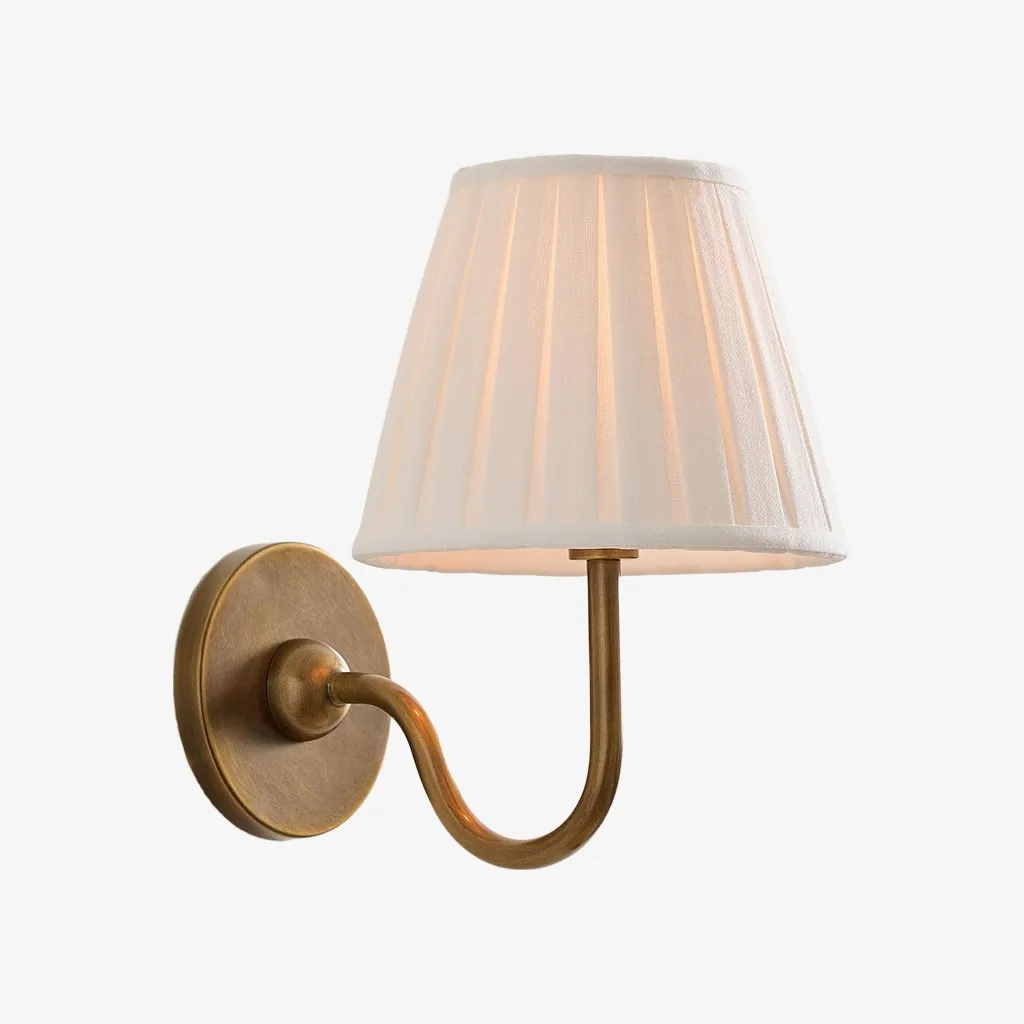
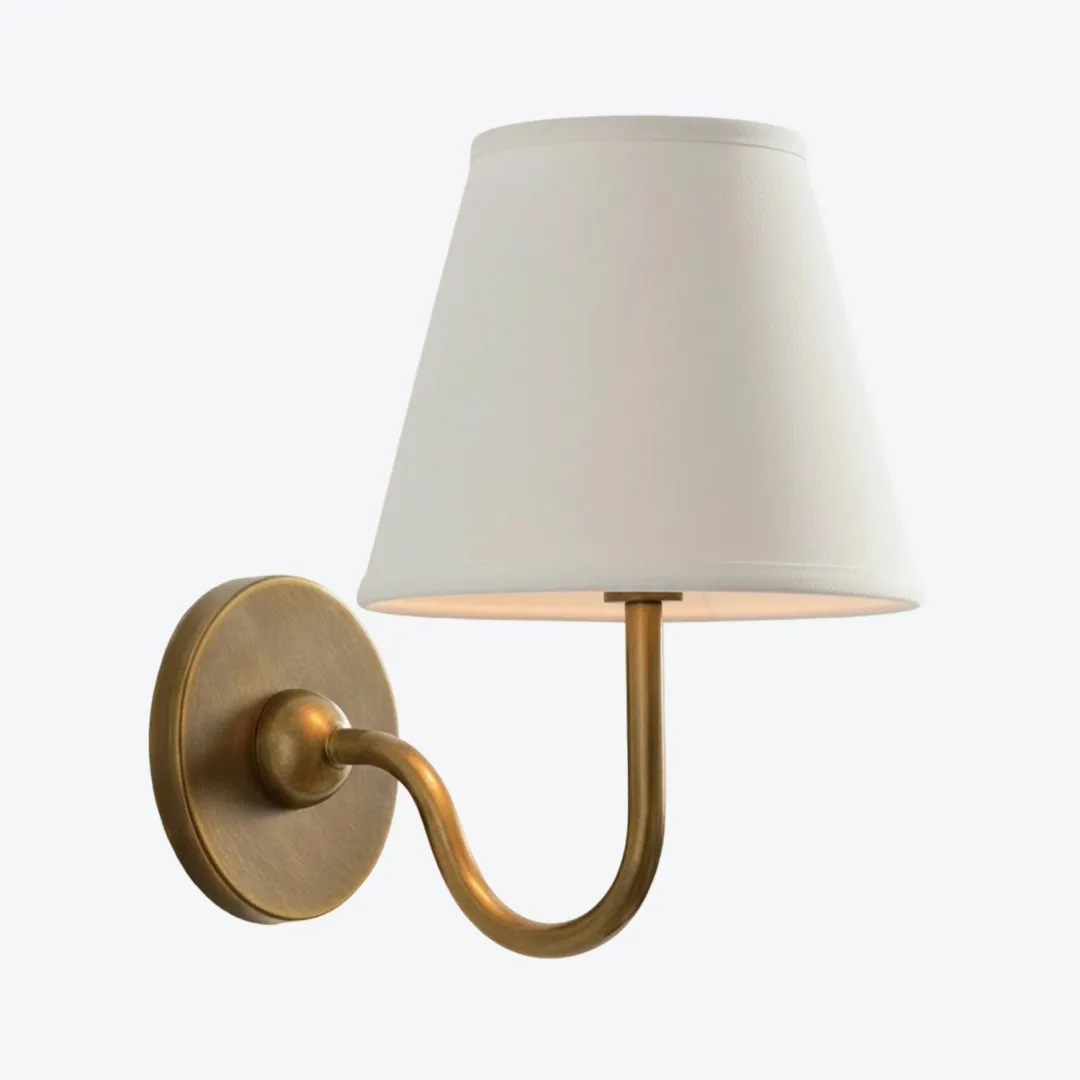
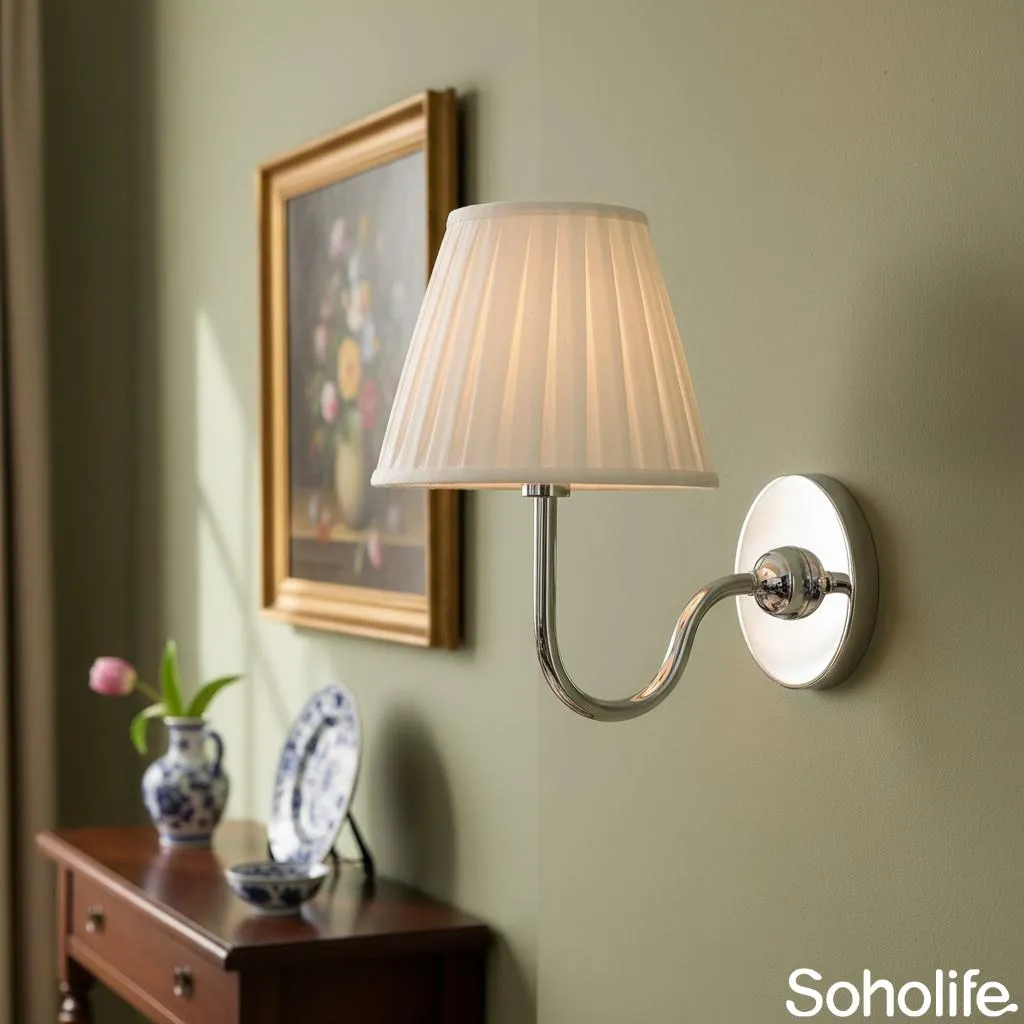
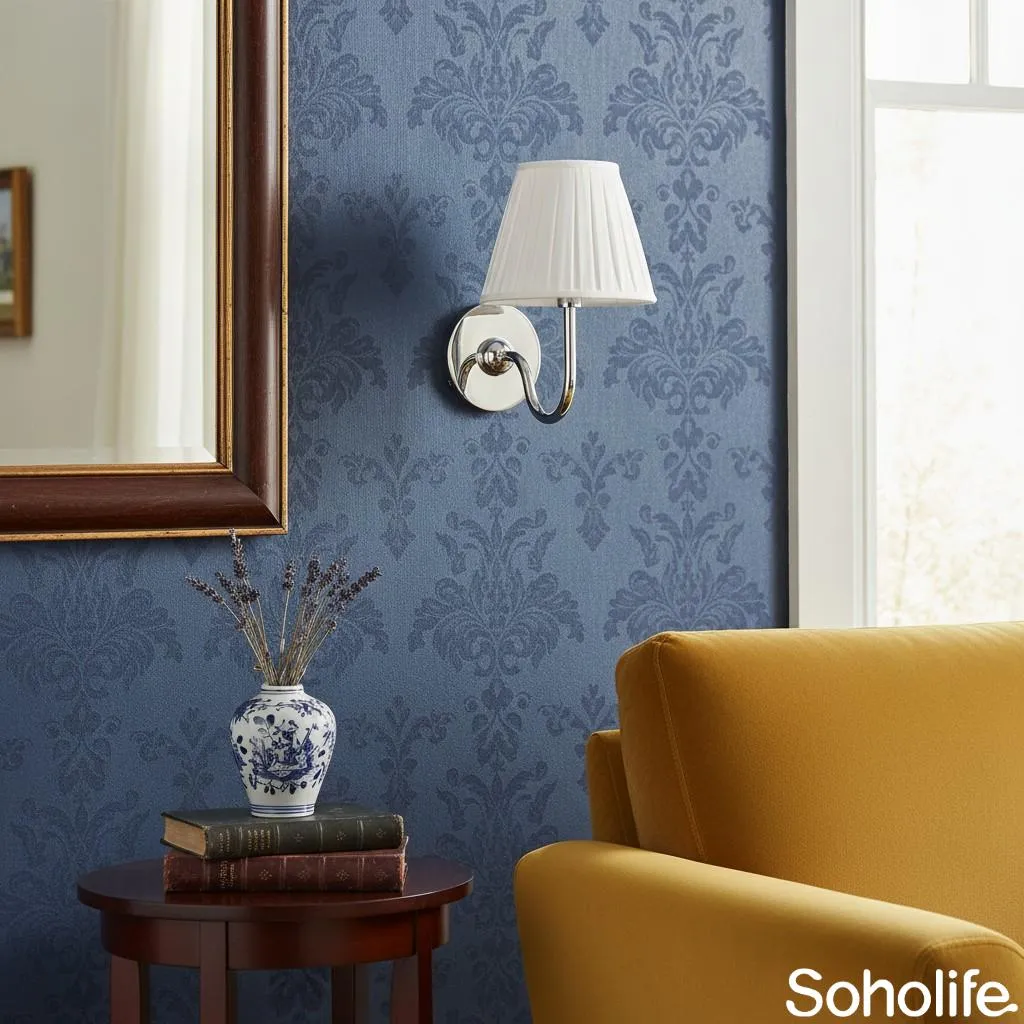
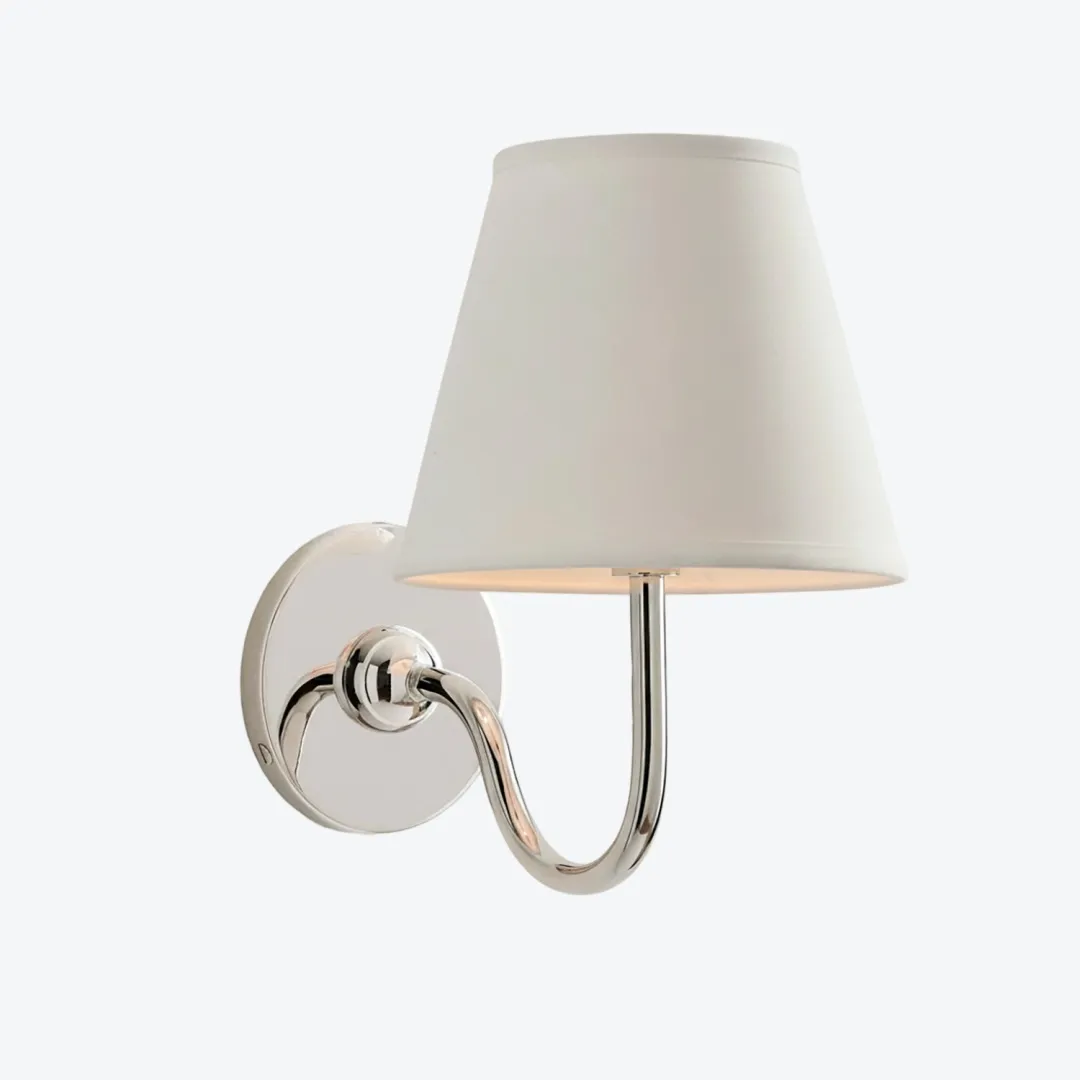
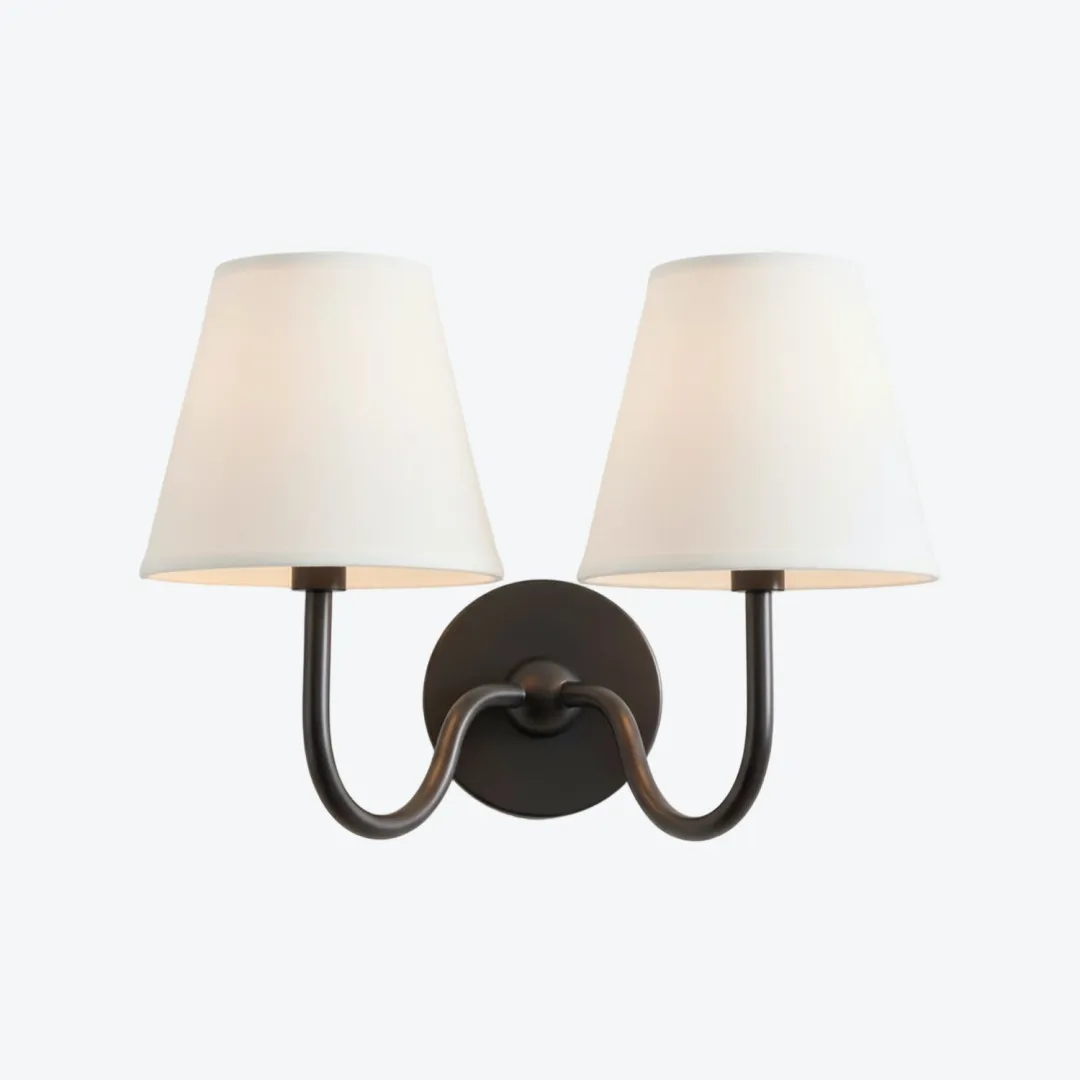
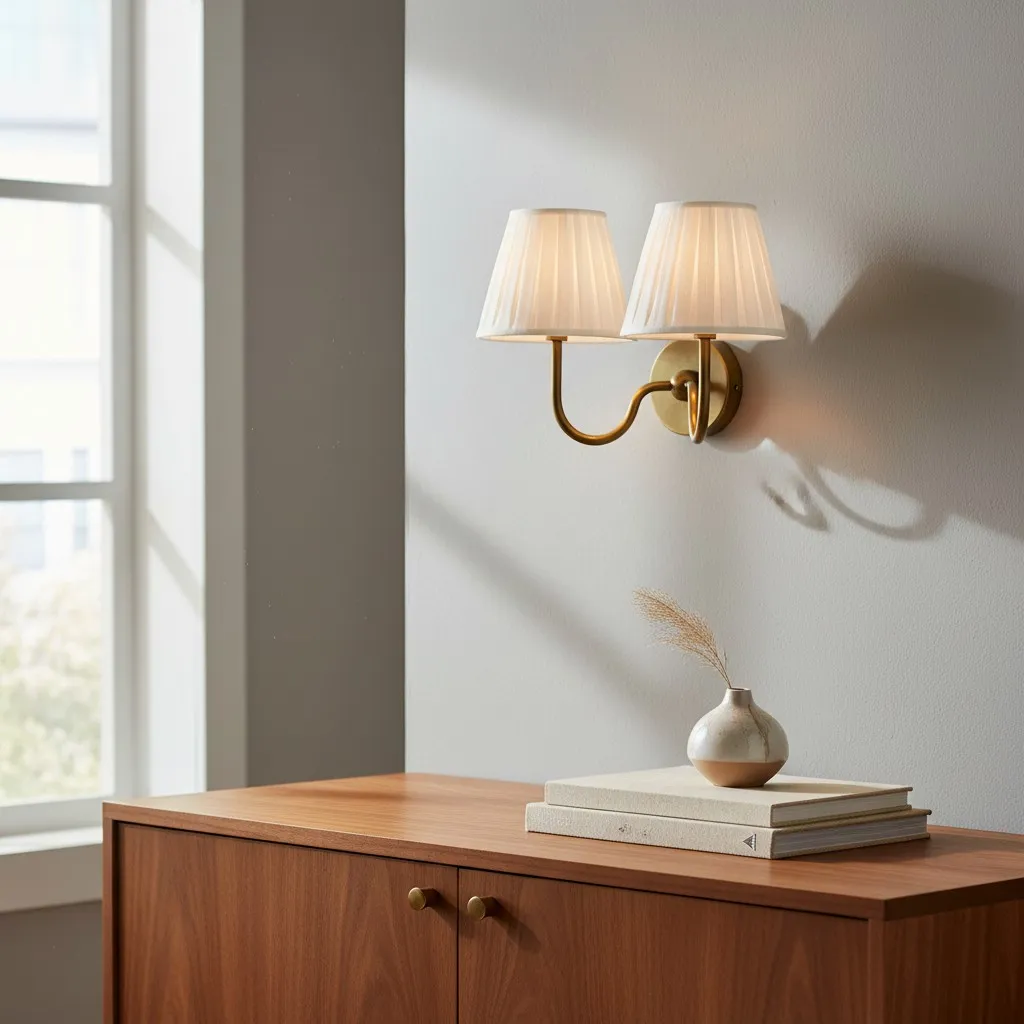
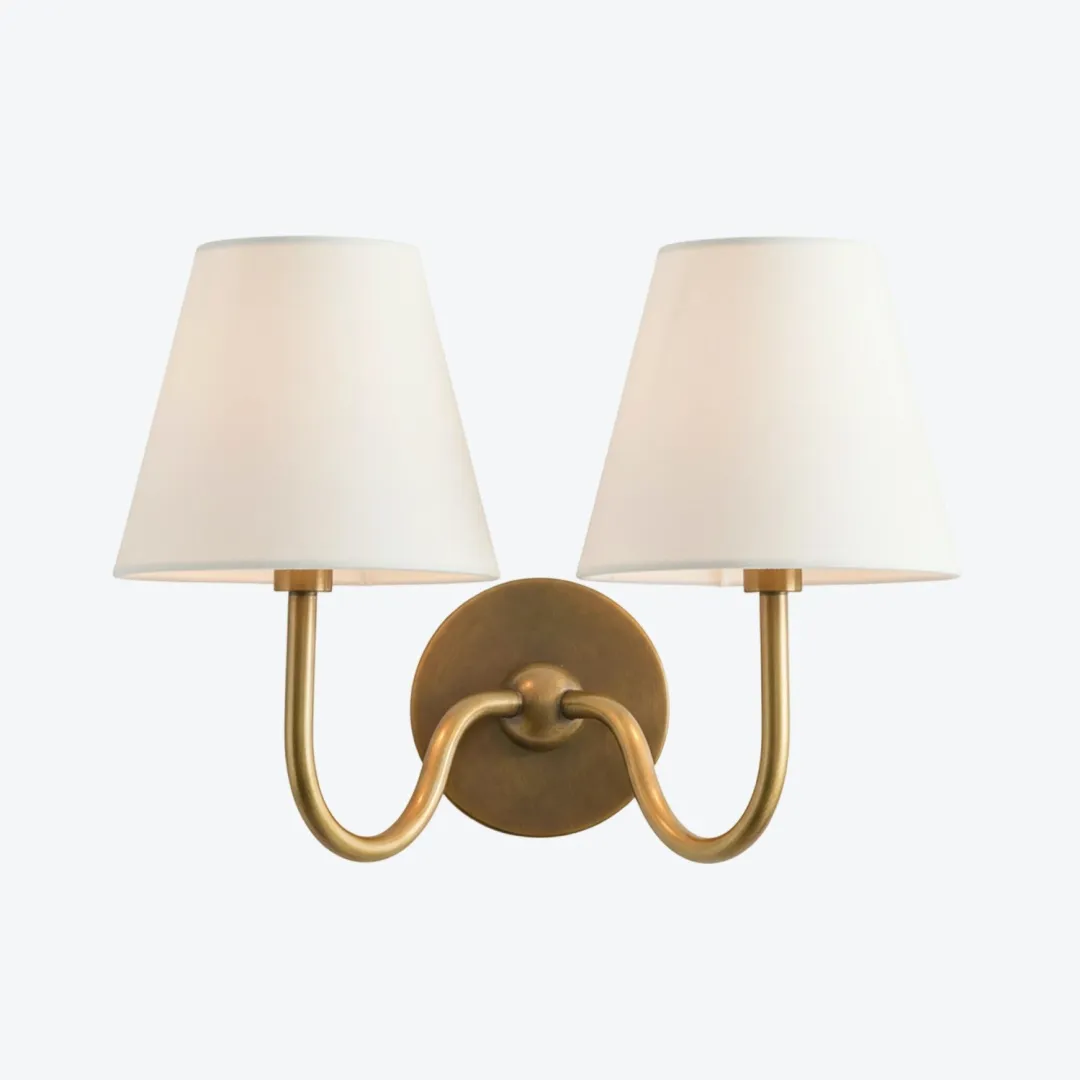
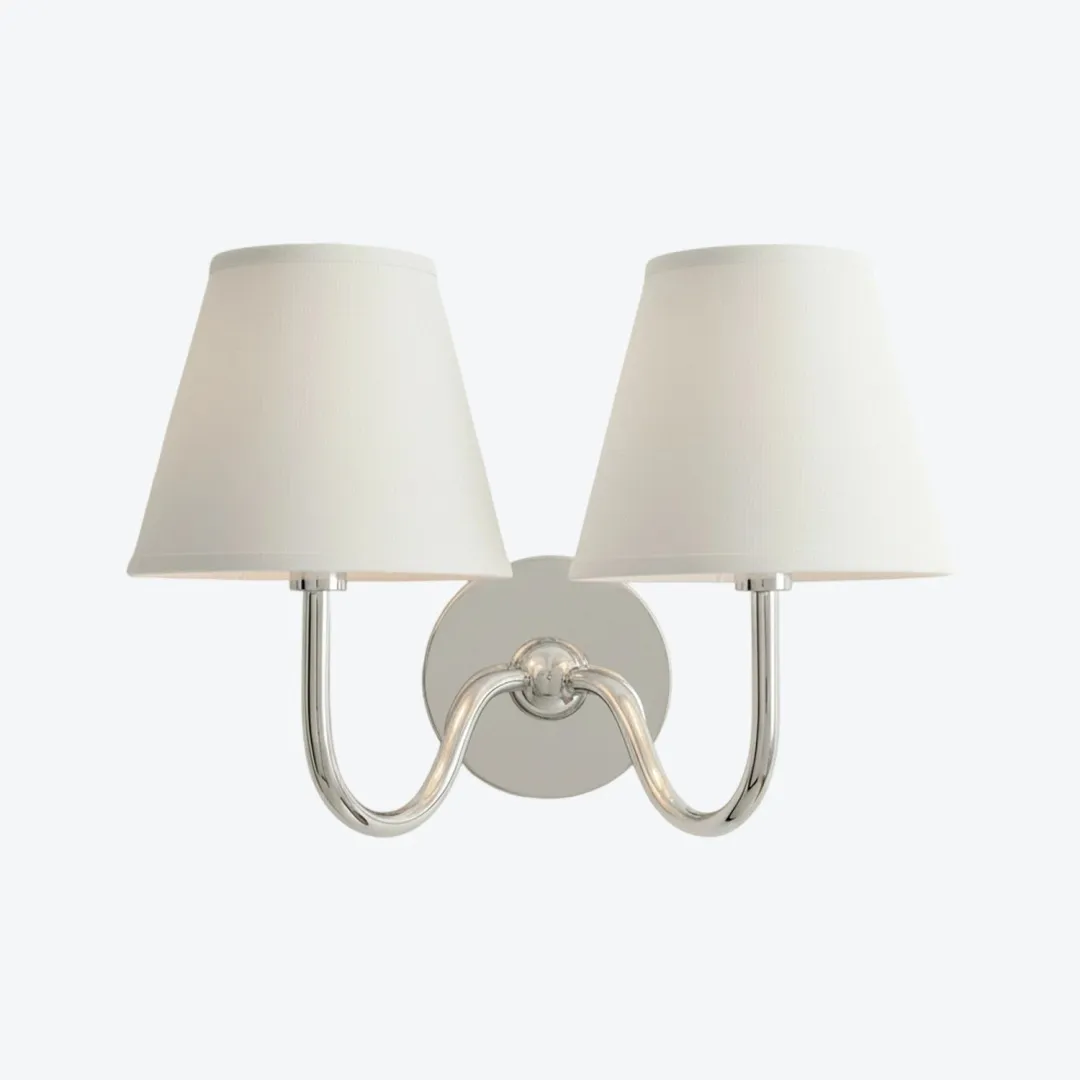
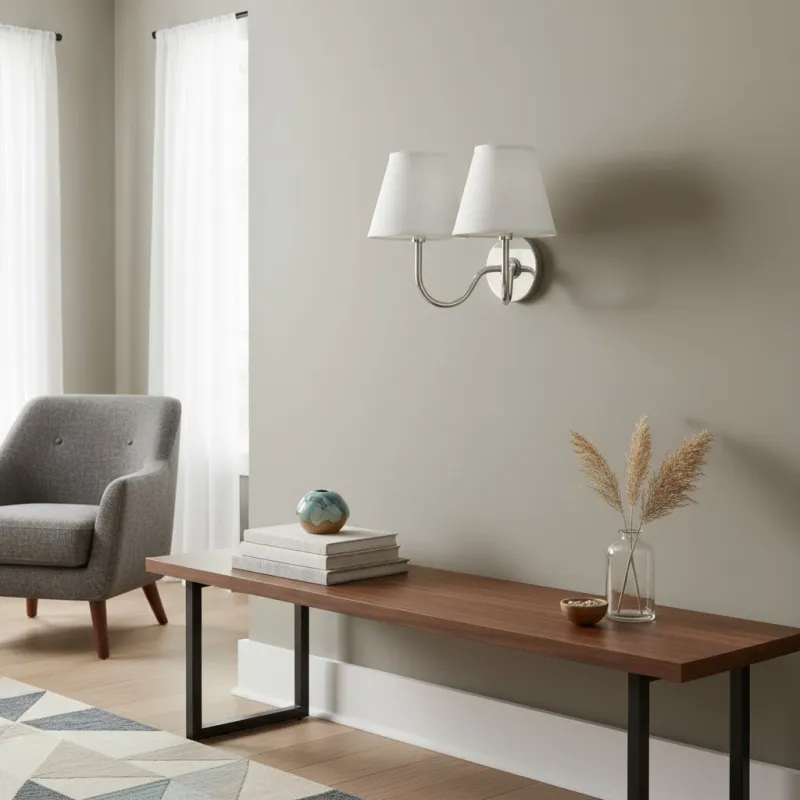
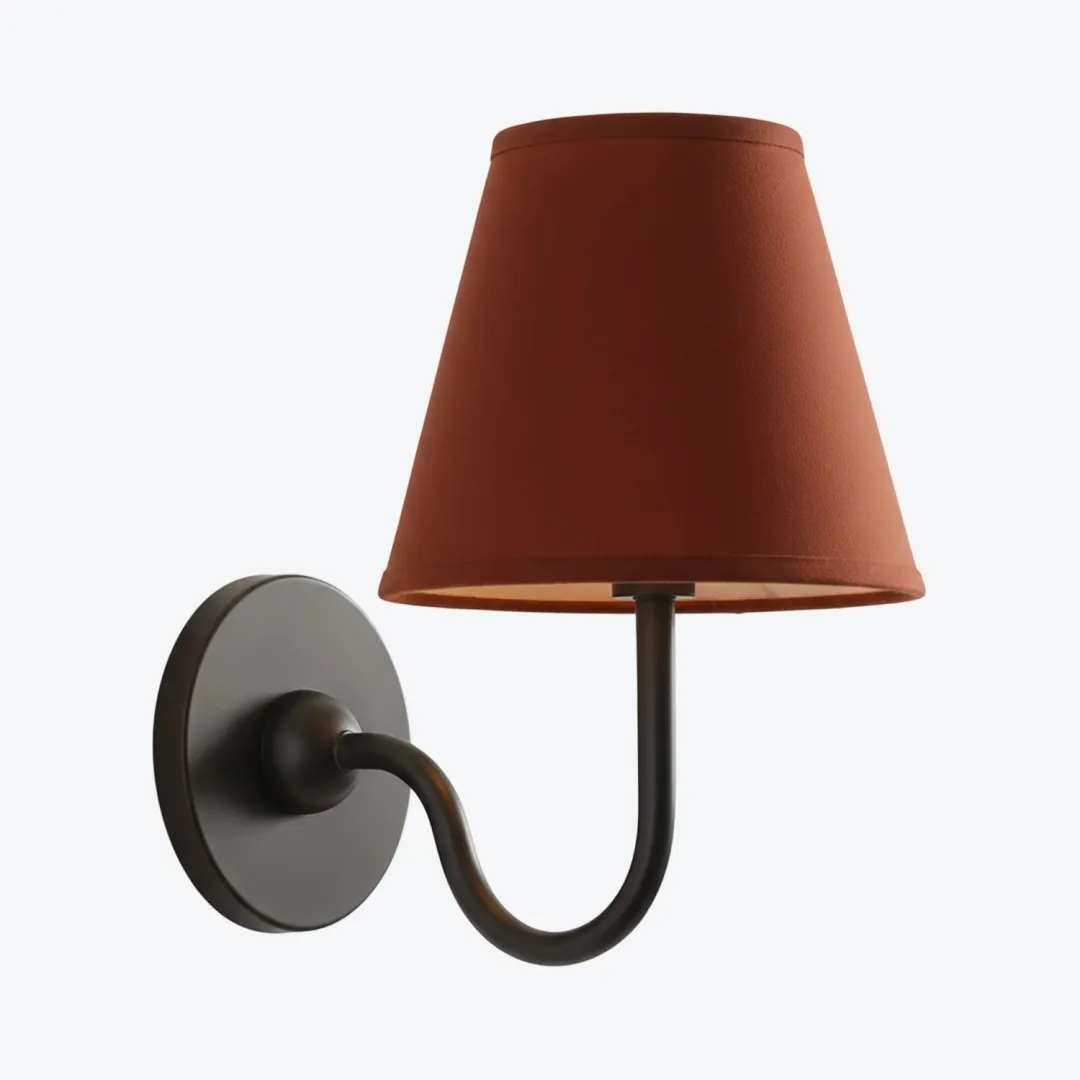
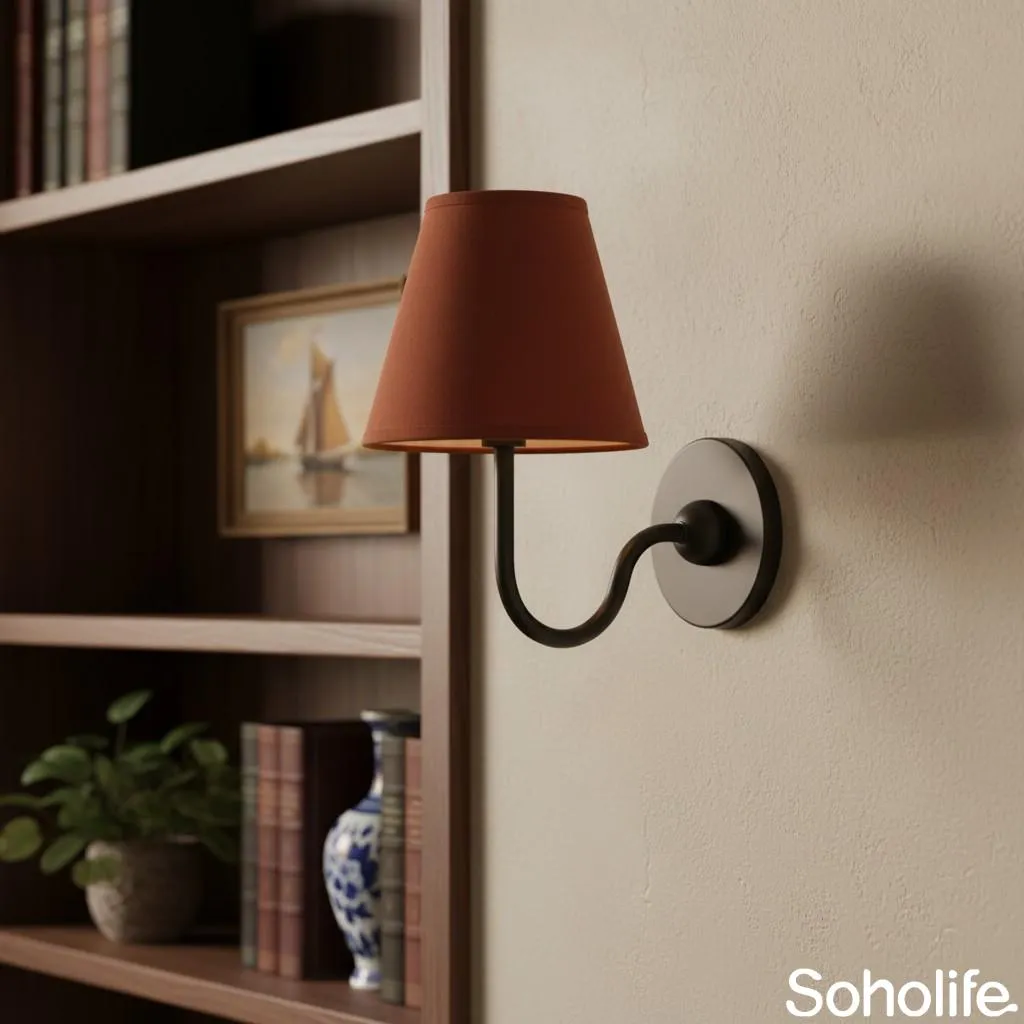
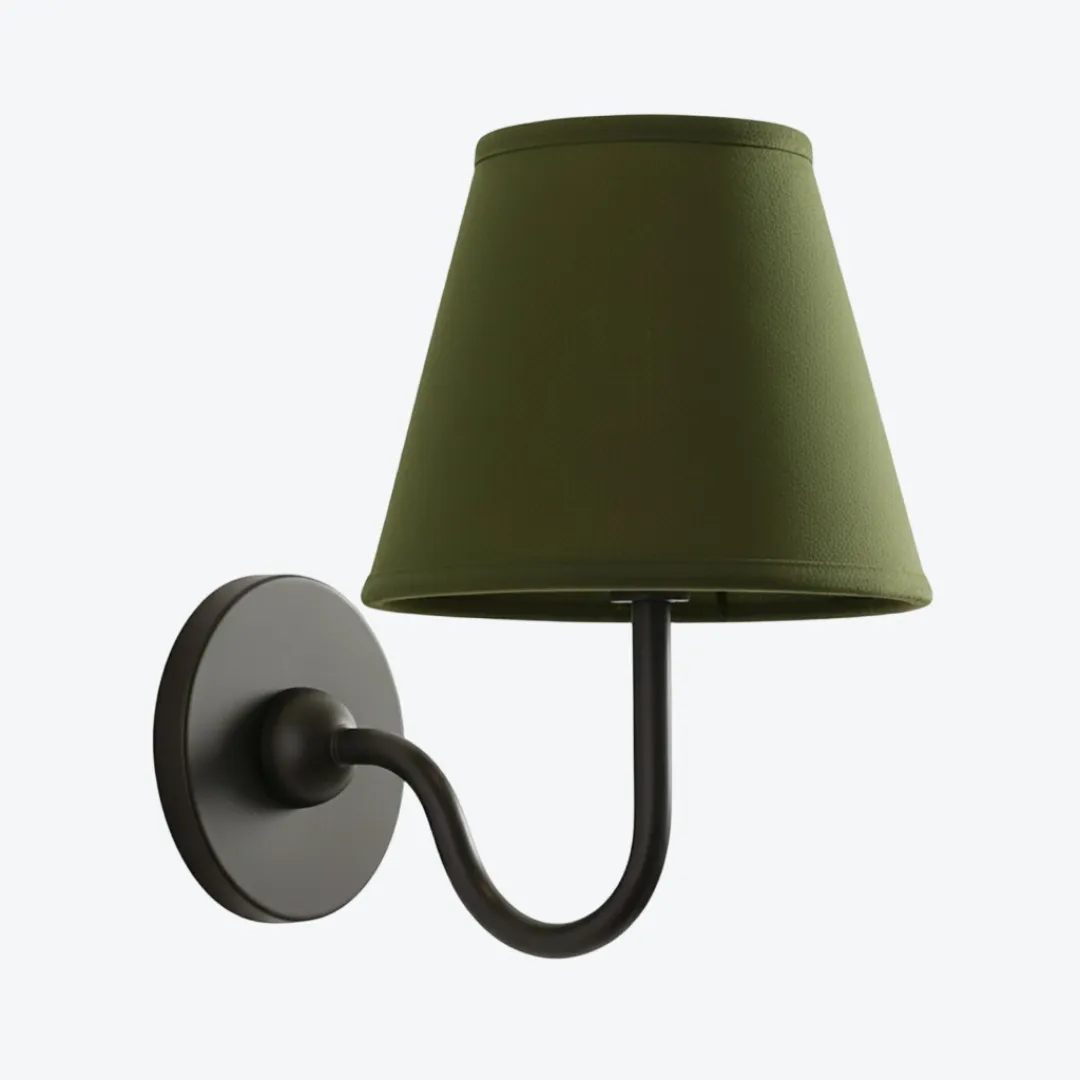
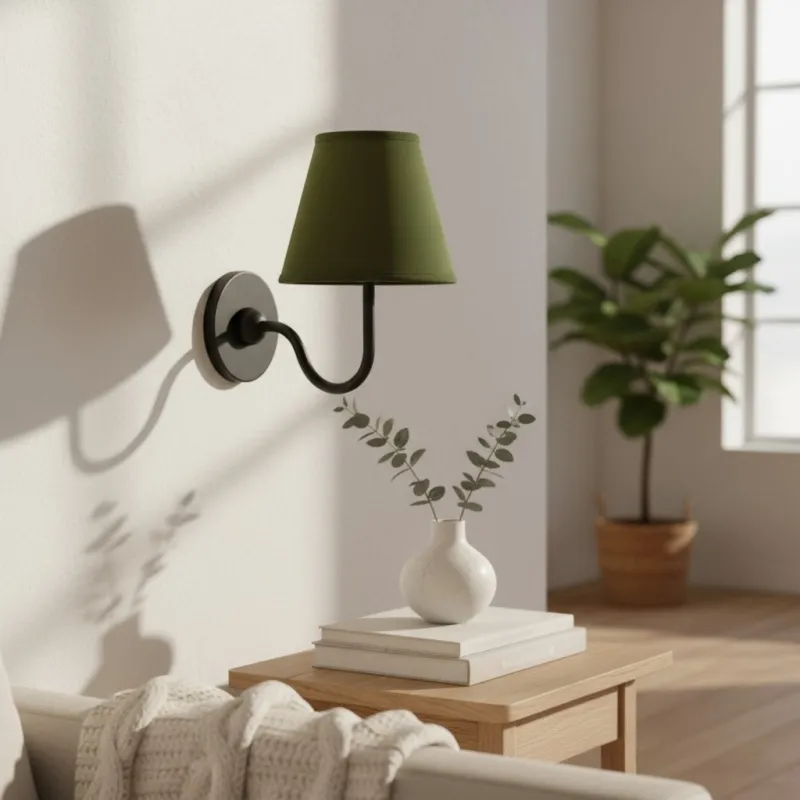
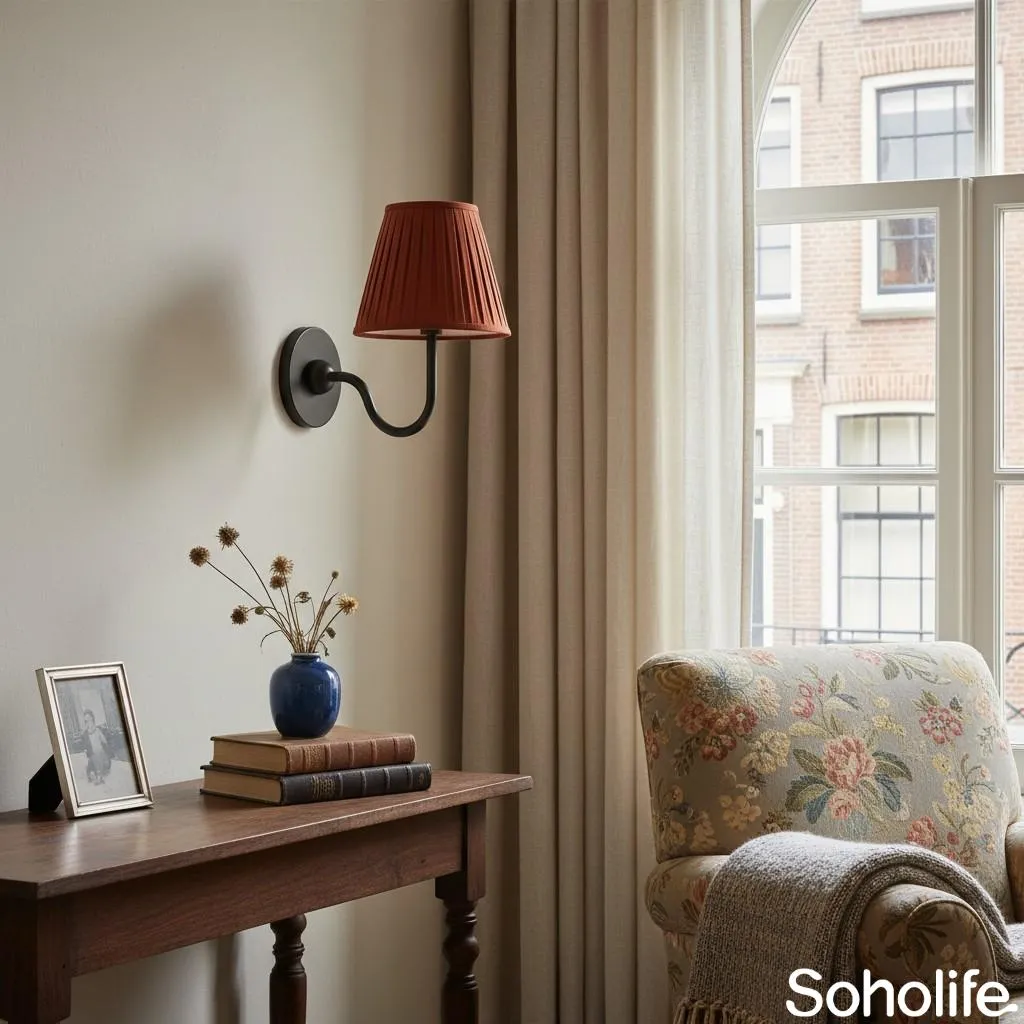
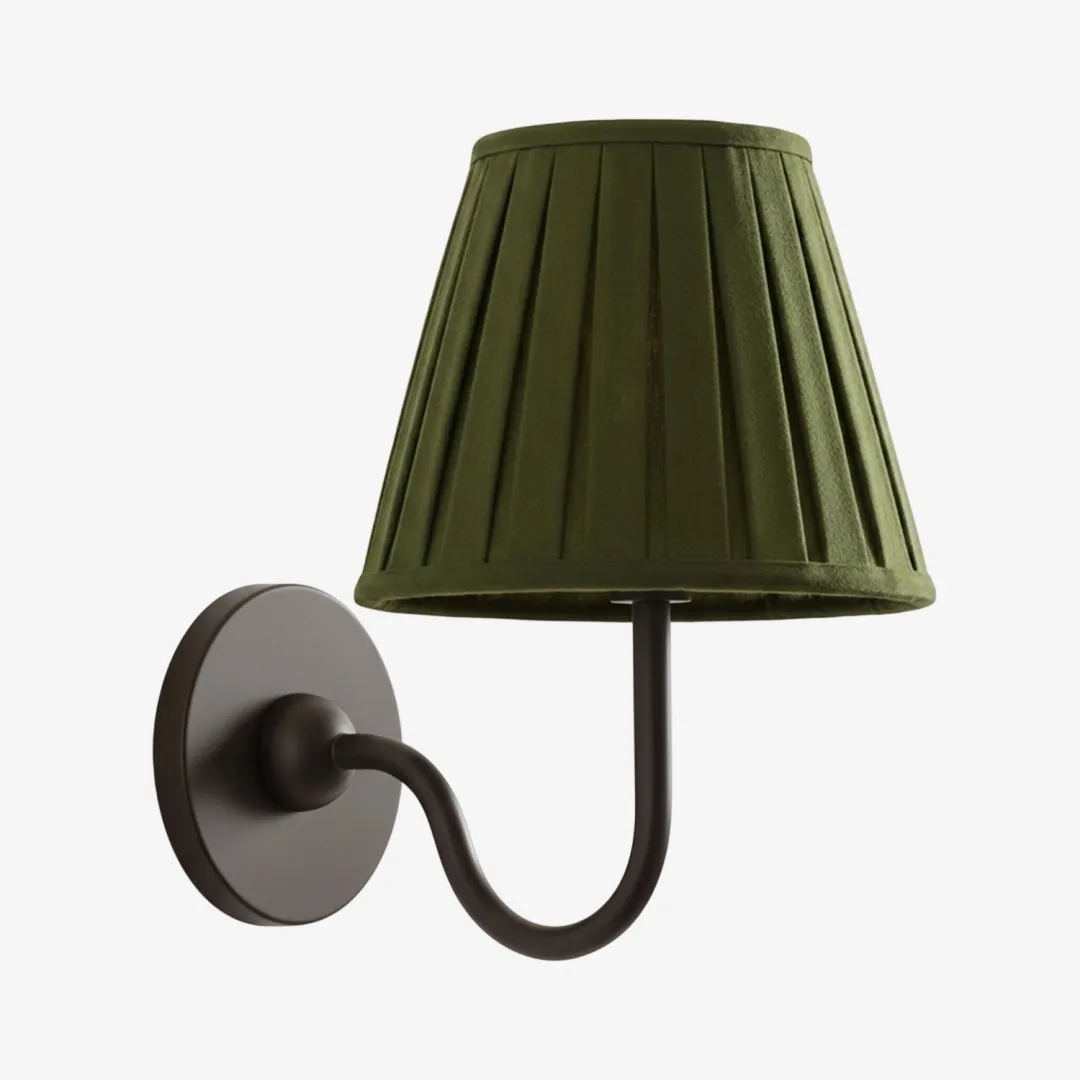
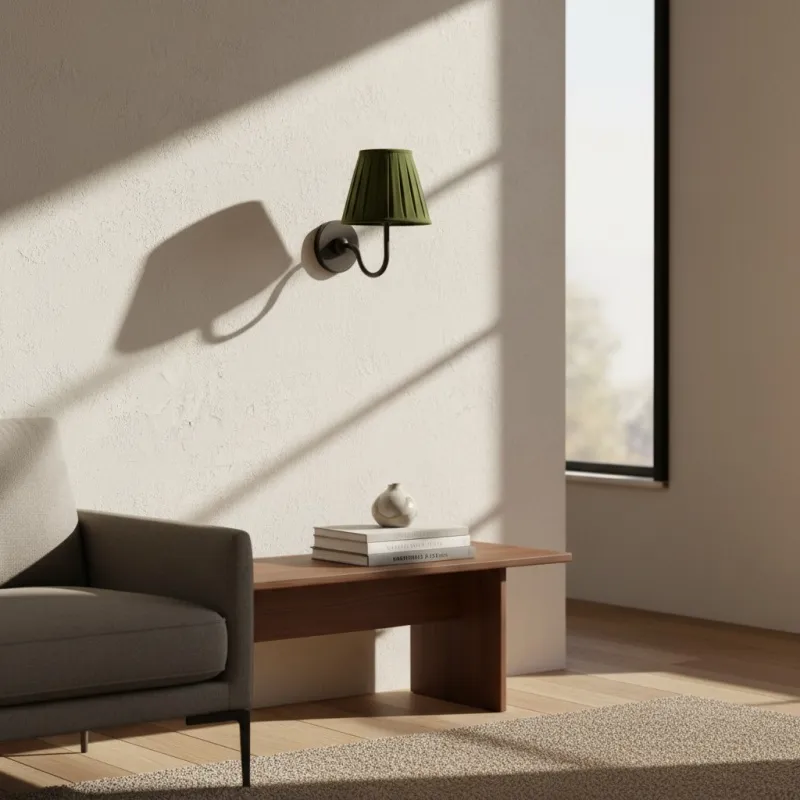
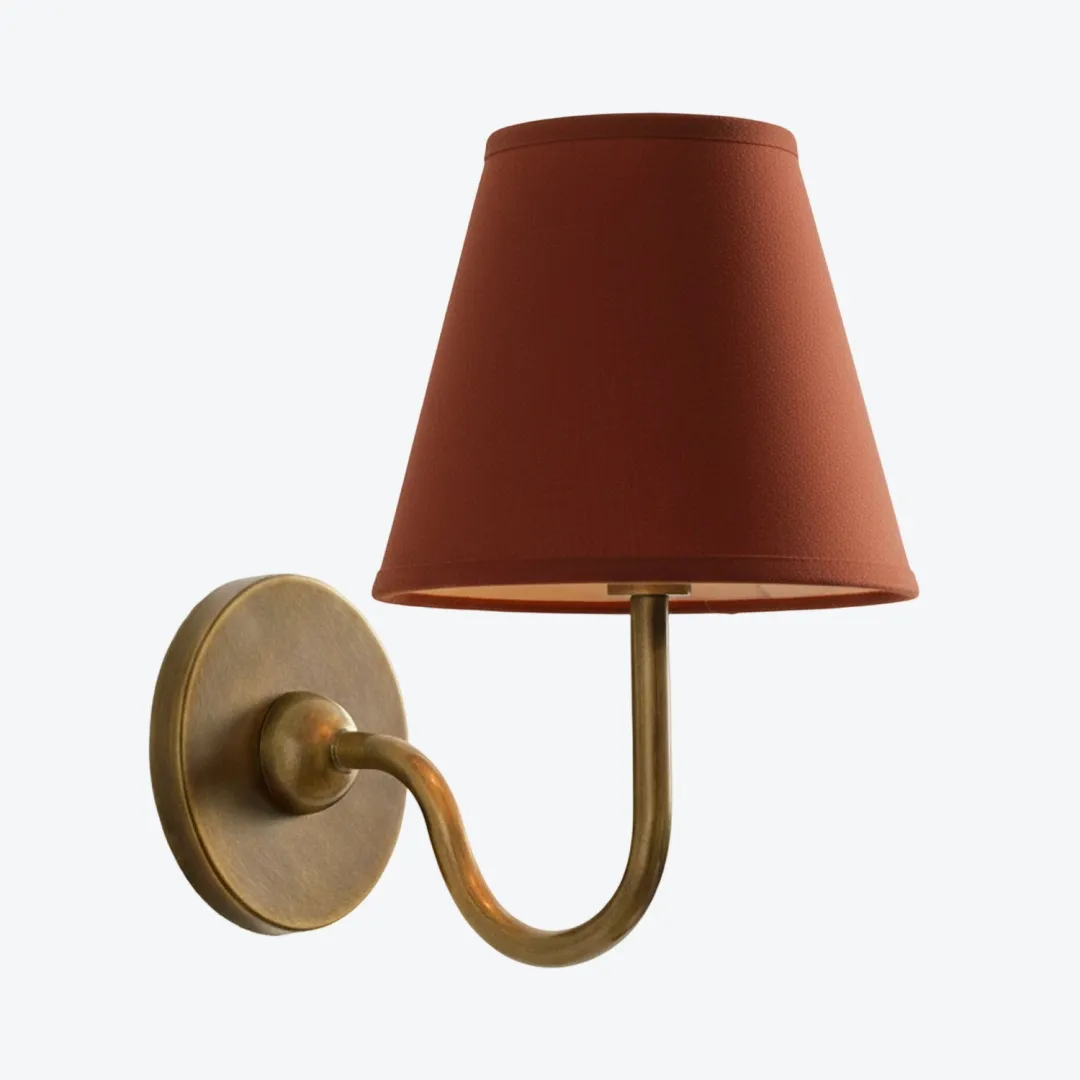
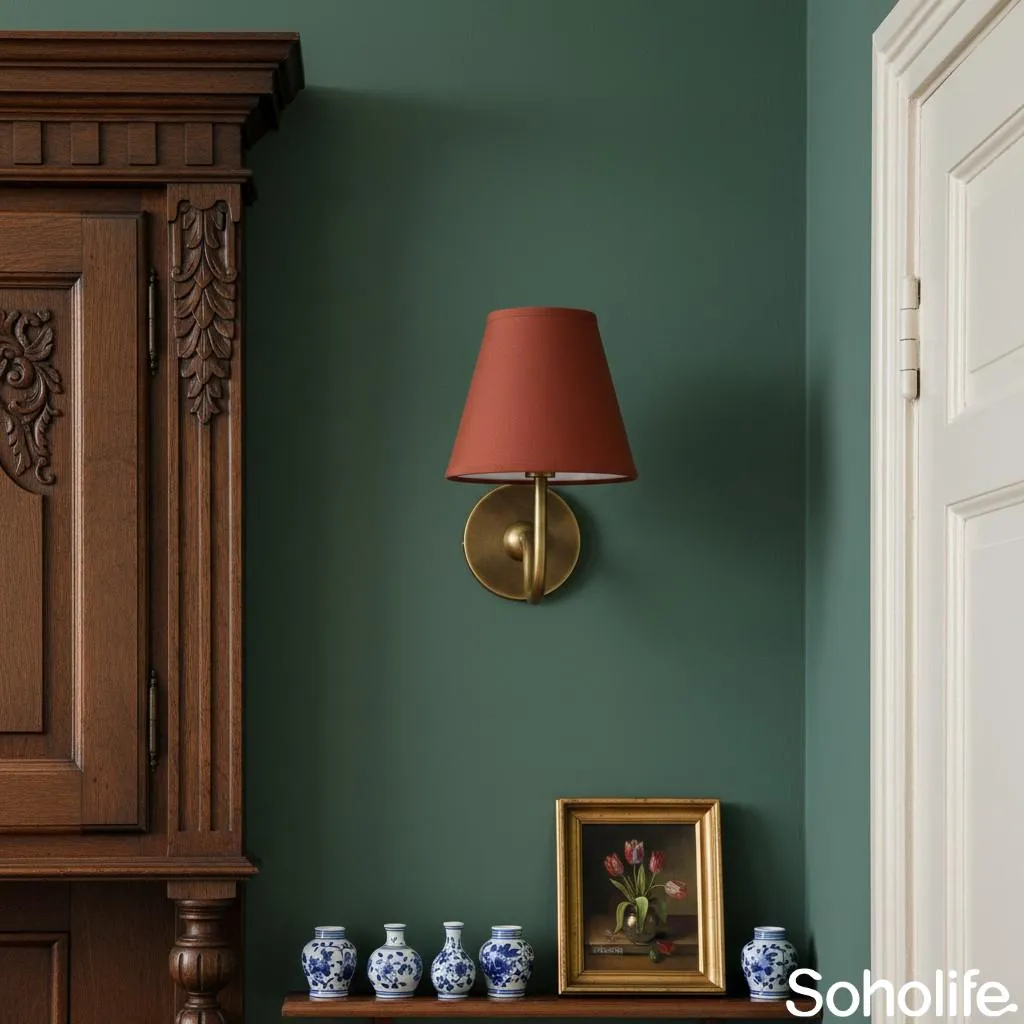
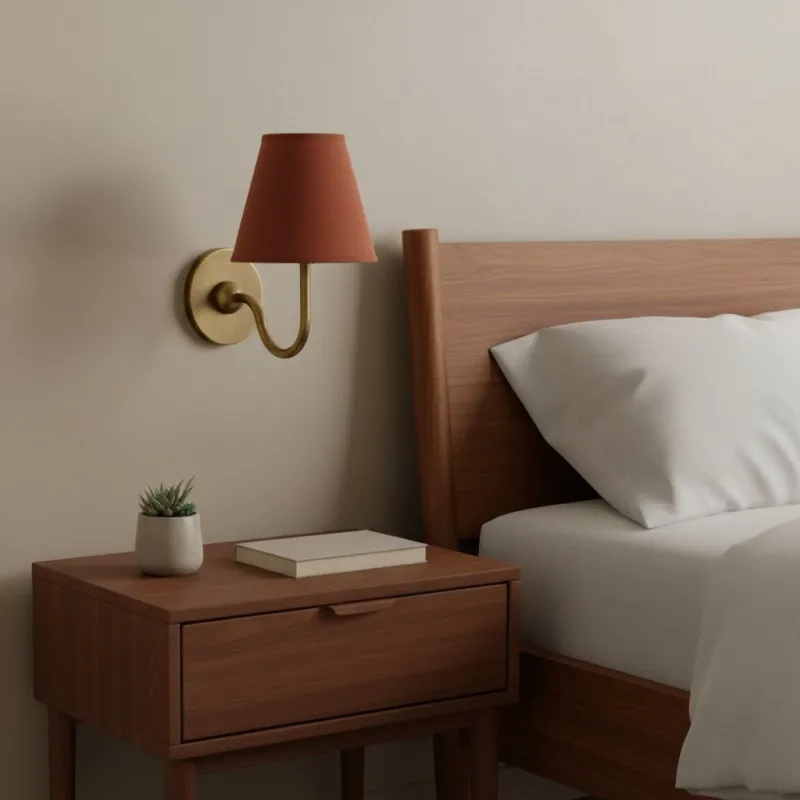
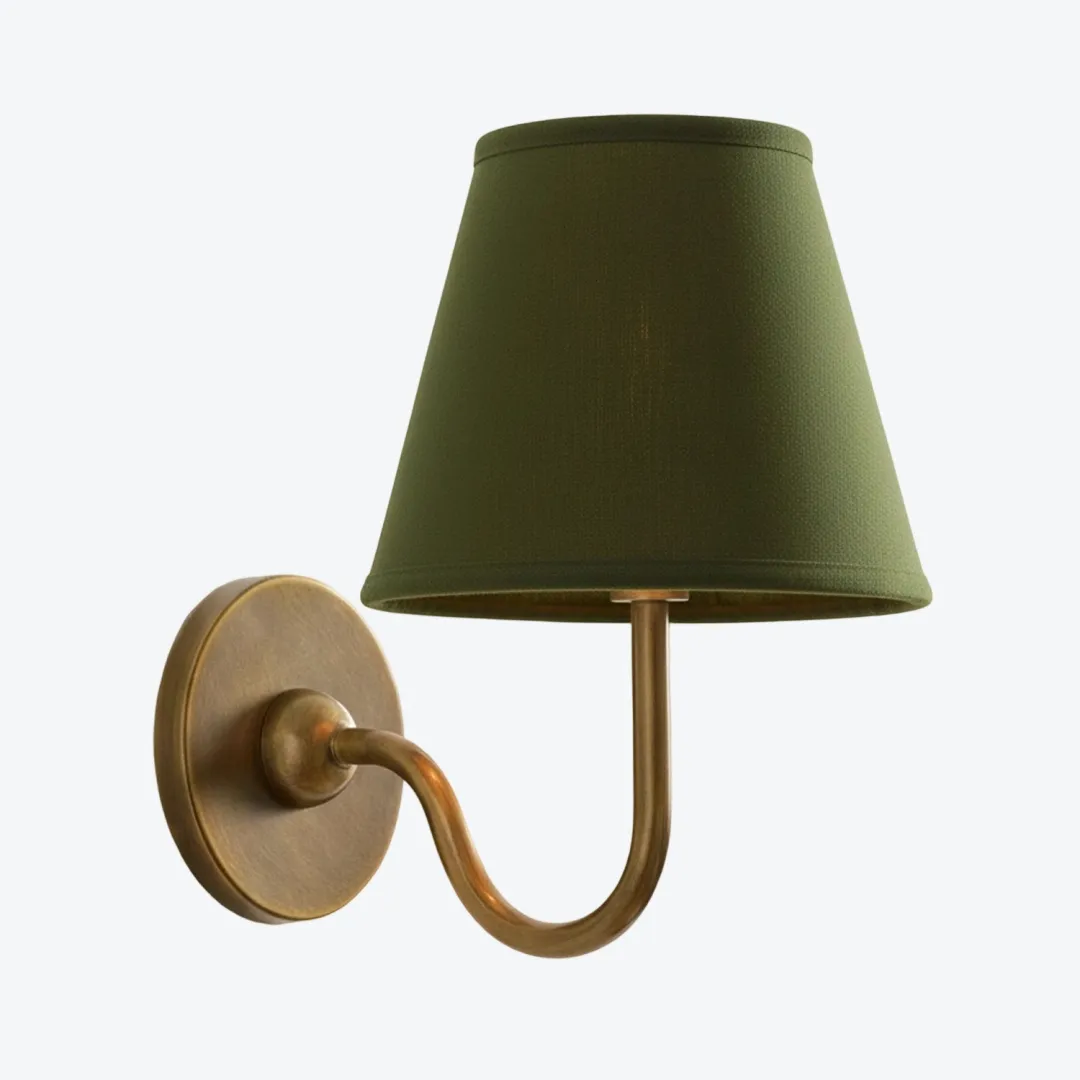
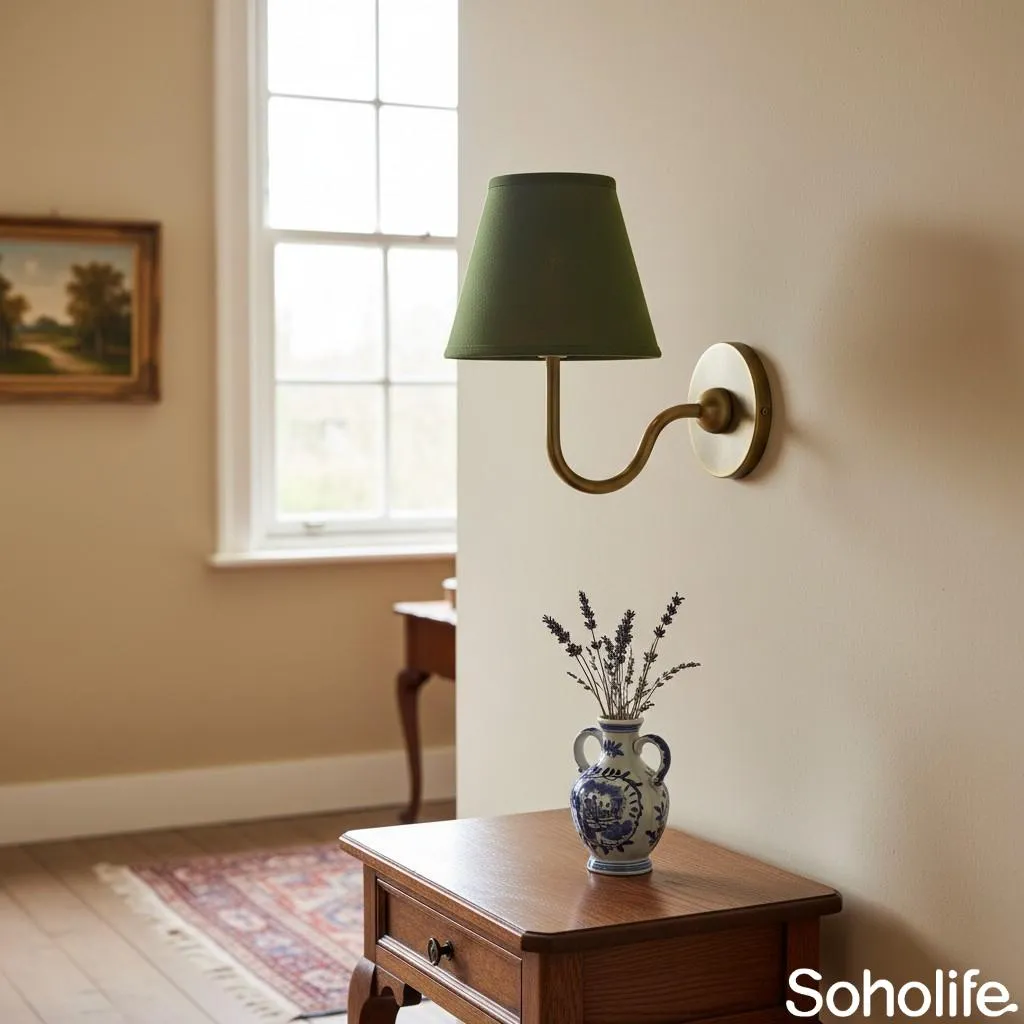
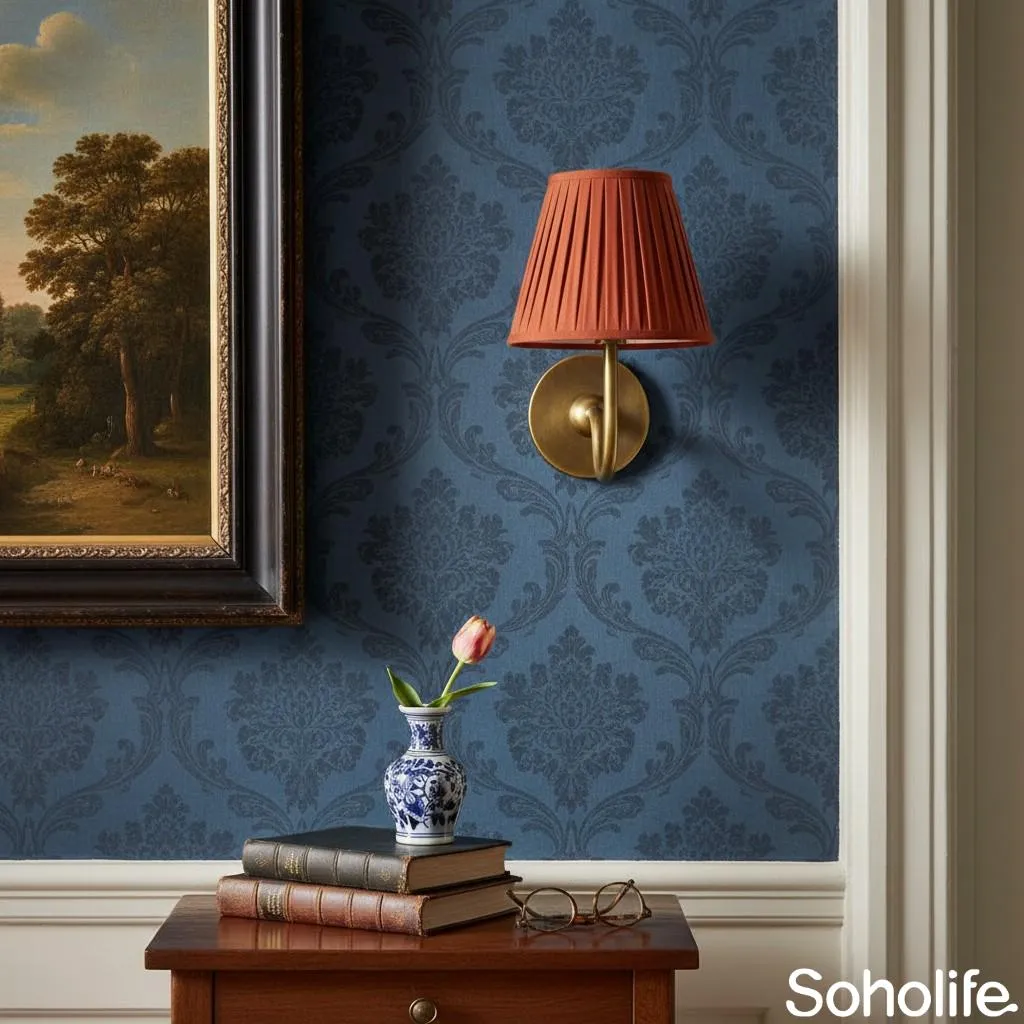
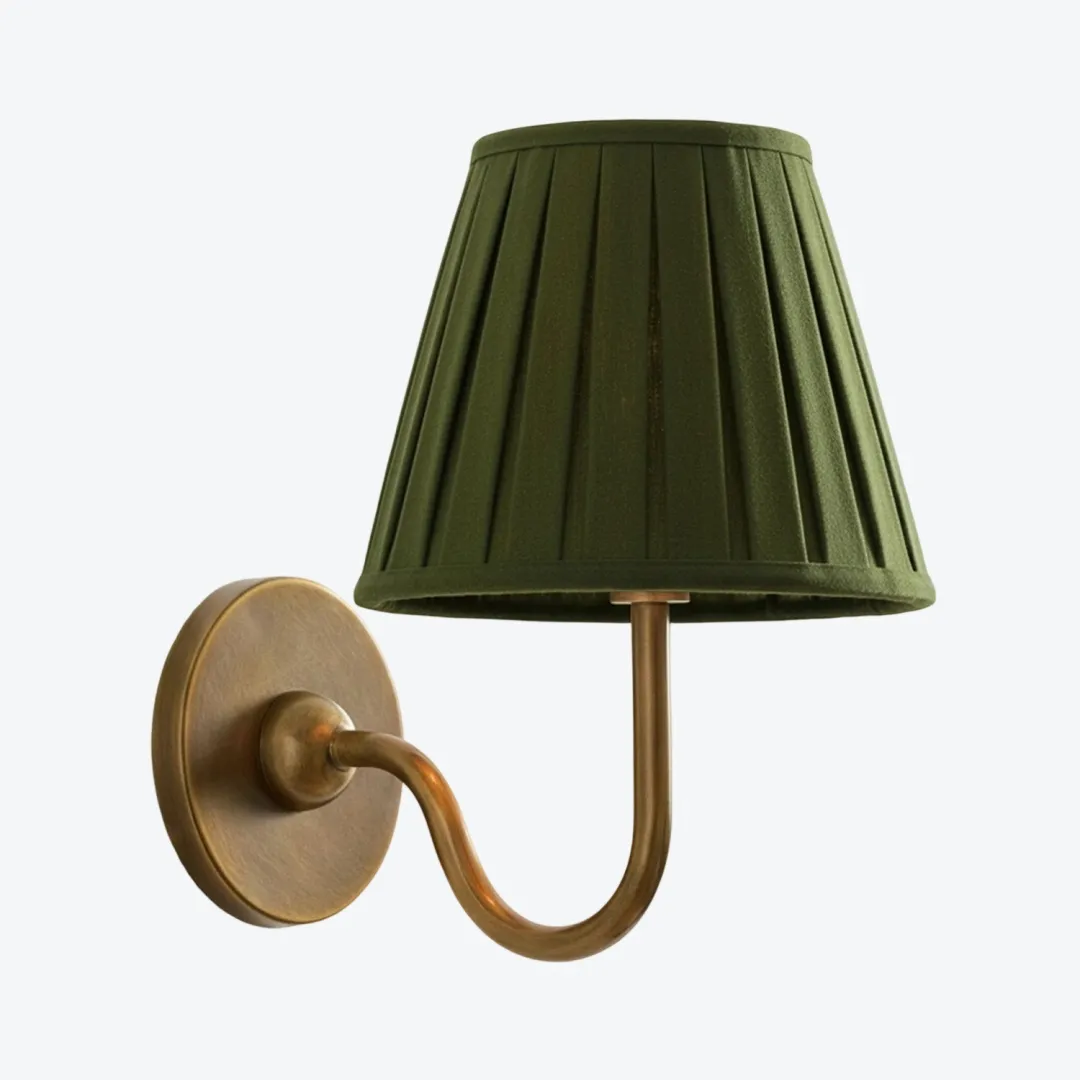
If a softly shaded bedside layer suits the room, review the Luvora pleated wall lamp as one option. Its iron body, linen shade, and single- or double-head configurations make it relevant to layered bedroom lighting, provided hardwiring is practical.
Use the Lying-and-Sitting Sightline Test Before Installation
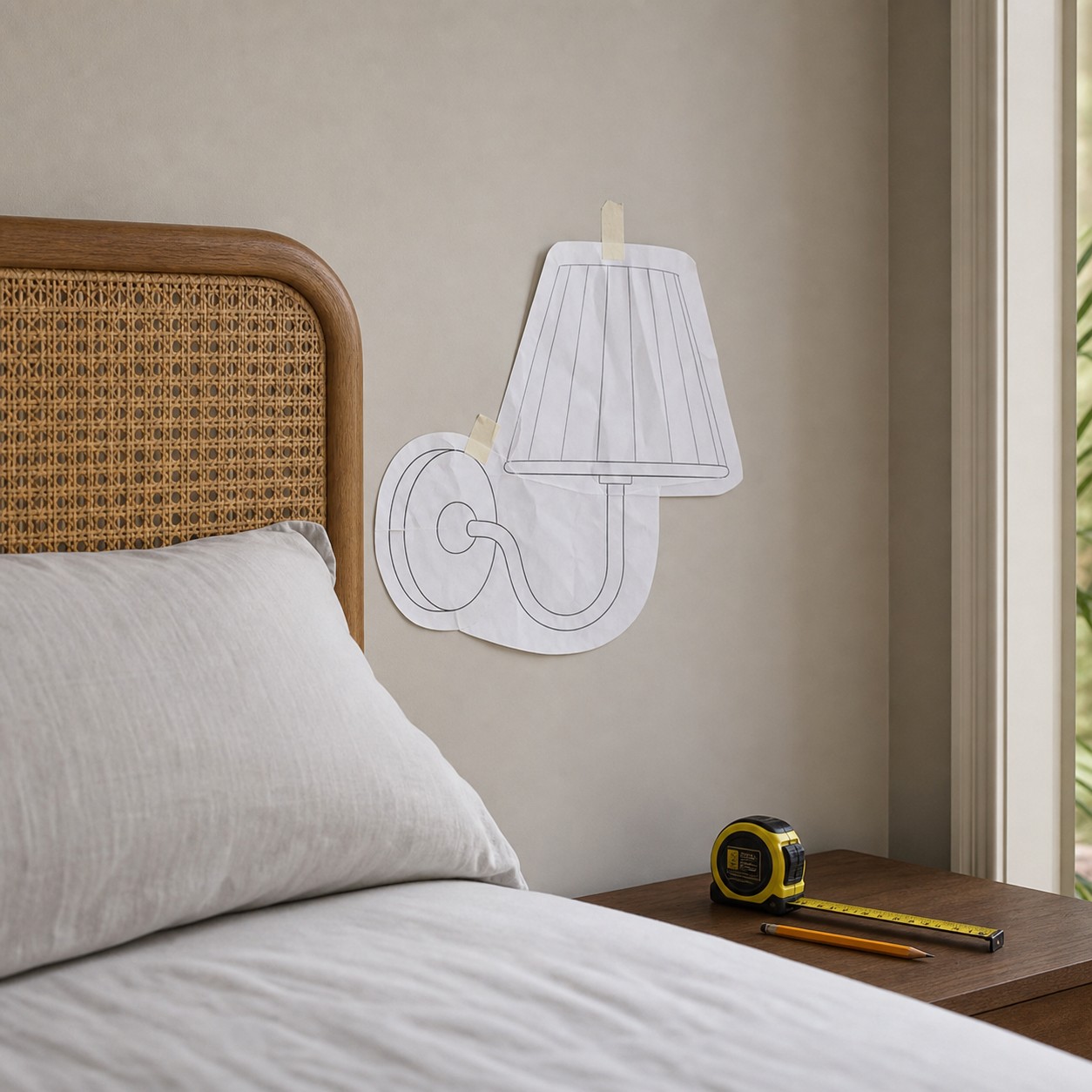
Universal mounting heights ignore the bed frame, mattress depth, user height, shade shape, and whether the lamp sits beside or above the headboard. A simple mock-up gives a better local answer:
- Cut a paper or cardboard outline matching the lamp’s approximate height and width.
- Tape it temporarily where the fixture may be installed; do not drill or connect wiring.
- Lie on the pillow, turn towards the lamp, and check whether the imagined bulb opening would face your eyes.
- Sit up as you would when reading and repeat the check.
- Move the outline until the shade would block the source without being hidden awkwardly behind the headboard.
Also mark the swing of doors, the top of bedside objects, and the cable route. For a hardwired fixture, have the final position and electrical work assessed by a qualified professional under local requirements.
No Bedside Surface to Spare? Move the Light to the Wall
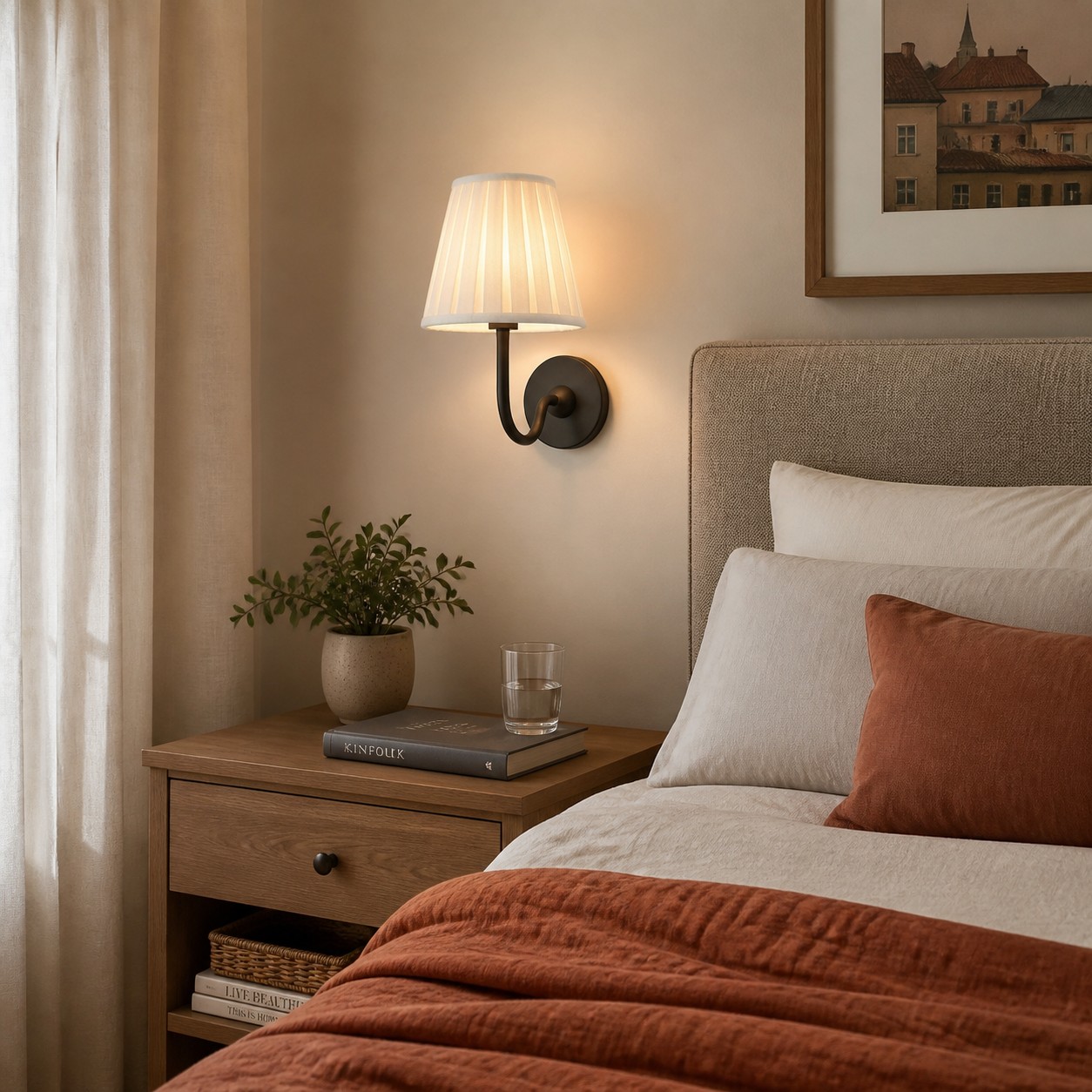
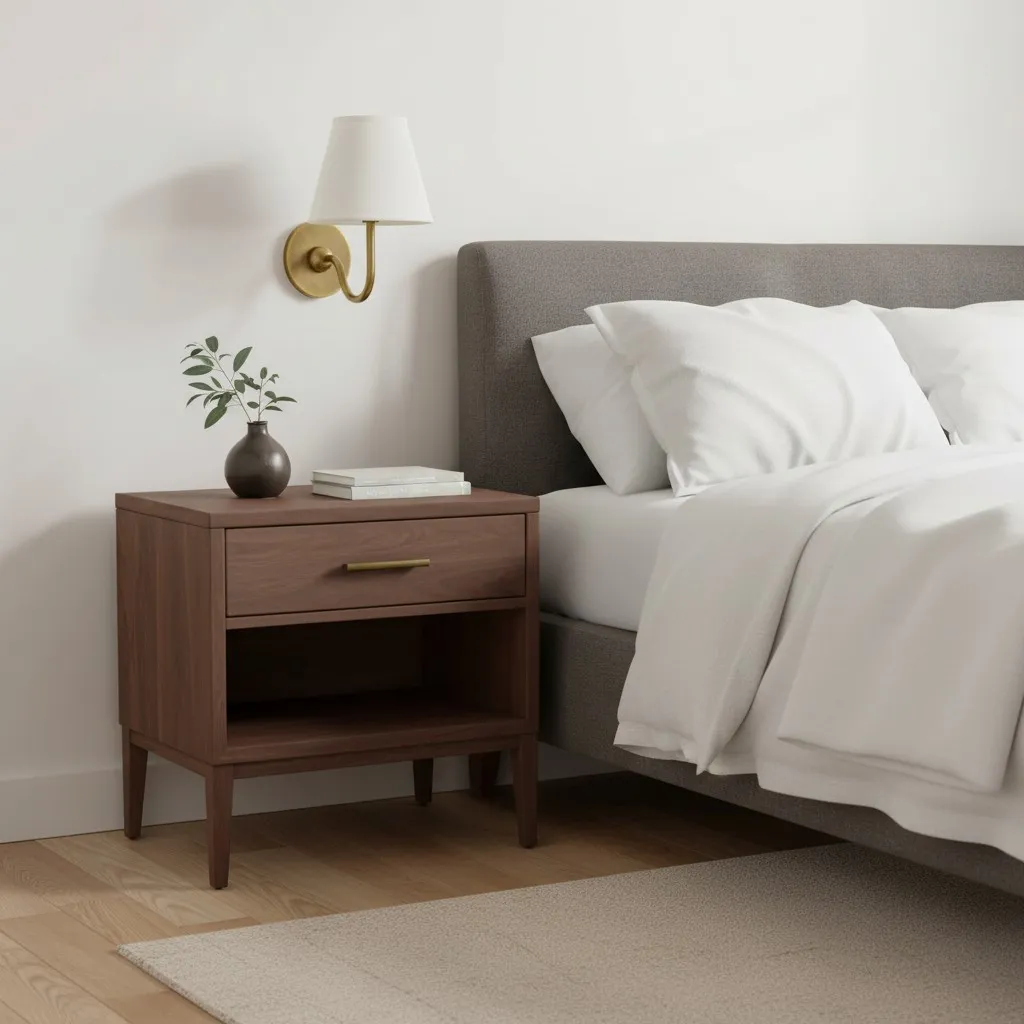
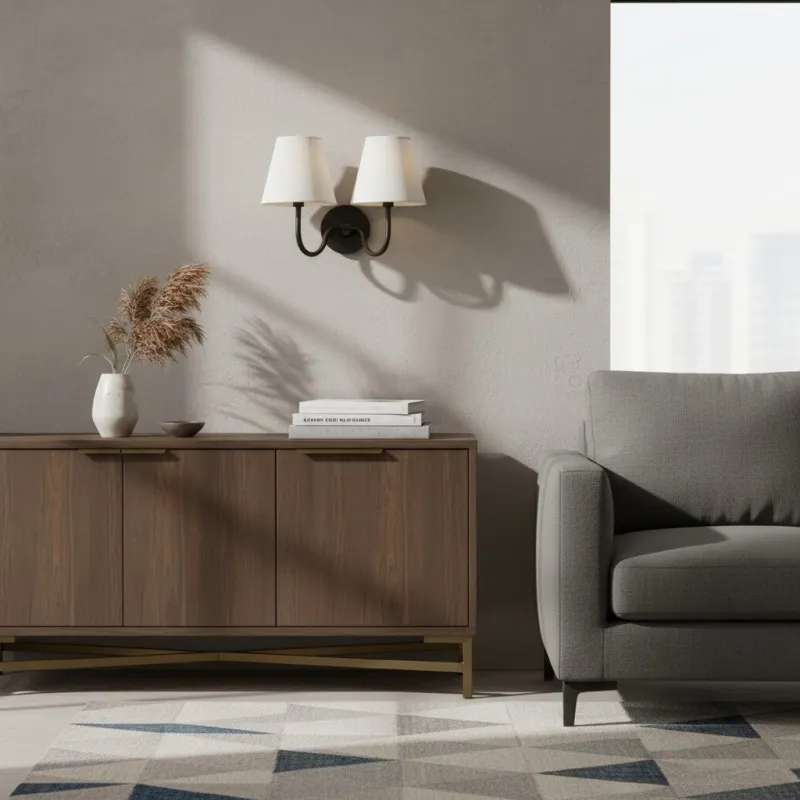
Wall mounting can free a crowded bedside surface for a book, water, or charging device. The useful question is not whether wall lamps look cleaner, but whether moving the light improves reach, sightlines, and everyday use. If surface space is the main constraint, continue with No Room for a Bedside Lamp? Try a Wall Sconce Instead; that guide focuses on compact layouts rather than repeating the glare diagnosis here.
For a small bedroom that can accommodate fixed wiring, the single-head Luvora configuration is the more compact product path to examine. Check its approximate 18 × 25 cm size against the real wall area before ordering.
Choose the Bulb and Control as Carefully as the Shade
The Luvora uses an E12 socket and does not include the bulb. That makes bulb selection part of the lighting design, not an afterthought. The ENERGY STAR LED guide notes that LEDs emit light directionally, so beam distribution and the fixture-bulb combination affect where the light actually travels.
Choose output for the bedside job, not for the largest room the bulb could illuminate. Prefer a diffused bulb where the socket allows it, and verify its physical dimensions fit inside the shade. If dimming matters, confirm that the bulb, wall control, and electrical setup are mutually compatible; the product page does not establish built-in dimming. Colour appearance can support a restful mood, but shielding, output, distribution, and placement still determine whether the light feels harsh.
One Sconce or a Pair? Make the Fast Decision First
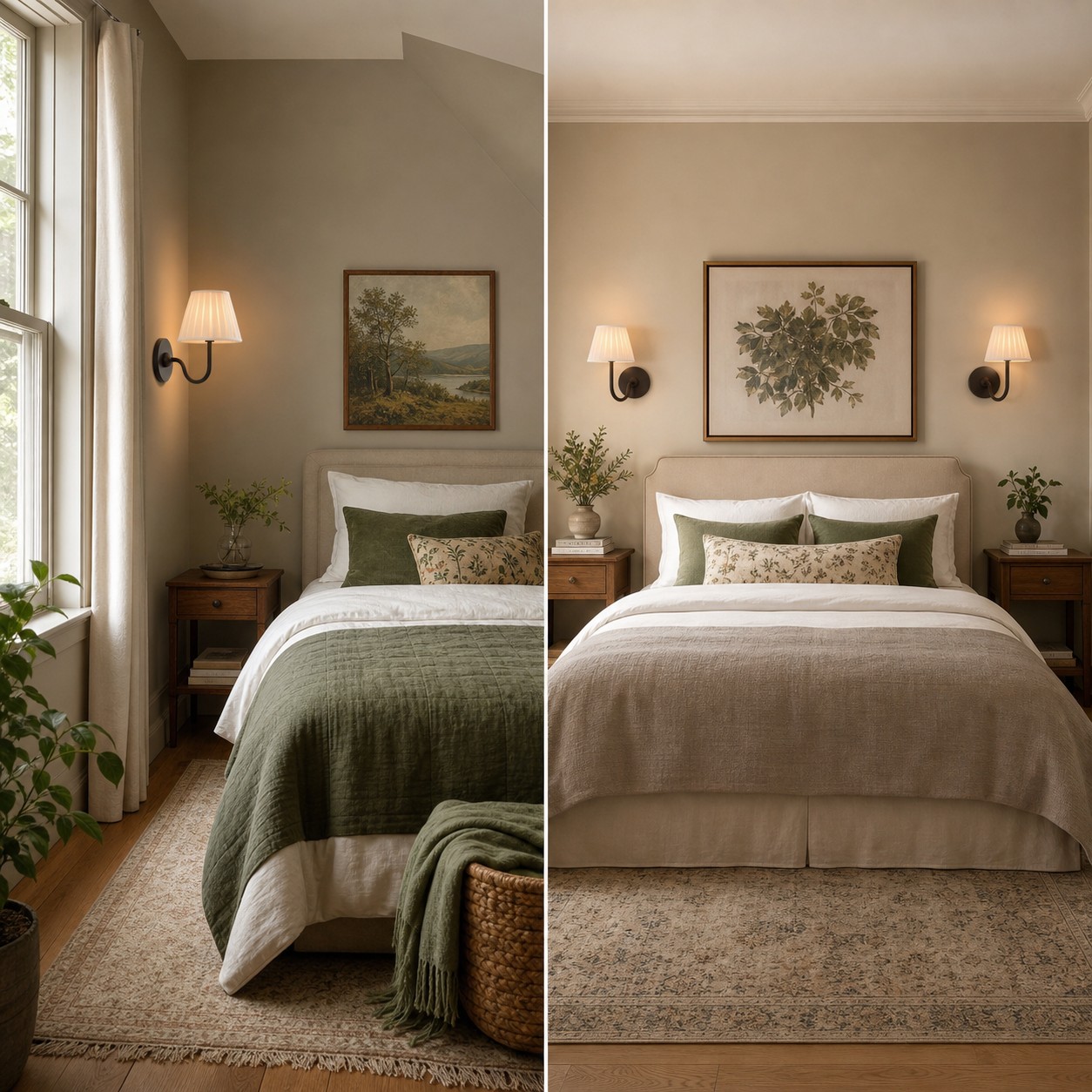
Use one wall lamp when one person primarily uses the bed, only one side has suitable wiring, or the room needs an intentionally asymmetrical layout. Consider a pair when two sleepers need independent access or a centred bed benefits from balanced light on both sides. A double-head fixture is not automatically equivalent to two independently placed sconces, so compare control, spread, and wall space.
For the fuller room-by-room decision, read Is One Wall Lamp Enough? When to Use a Single Sconce or a Pair. That companion article handles the configuration choice in depth, while this one stays focused on reducing harshness.
Where a Pleated Fabric Wall Lamp Is Not the Whole Solution
Choose another or additional solution when you need concentrated reading light, cannot hardwire the wall, need a portable rental-friendly lamp, or still see an intense source above or below the shade. A wall lamp also cannot correct uncontrolled daylight, bright screens, or an overpowered ceiling fixture by itself. The best result usually comes from reducing the offending source and then adding the softer layer.
A Practical Luvora Checklist Before You Buy
- Confirm whether the single-head or double-head size fits the available wall.
- Use the lying-and-sitting sightline mock-up before fixing the position.
- Plan for hardwired installation and local electrical requirements.
- Select a compatible E12 bulb; remember that the bulb is not included.
- Check bulb size, diffusion, output, and any required dimming compatibility.
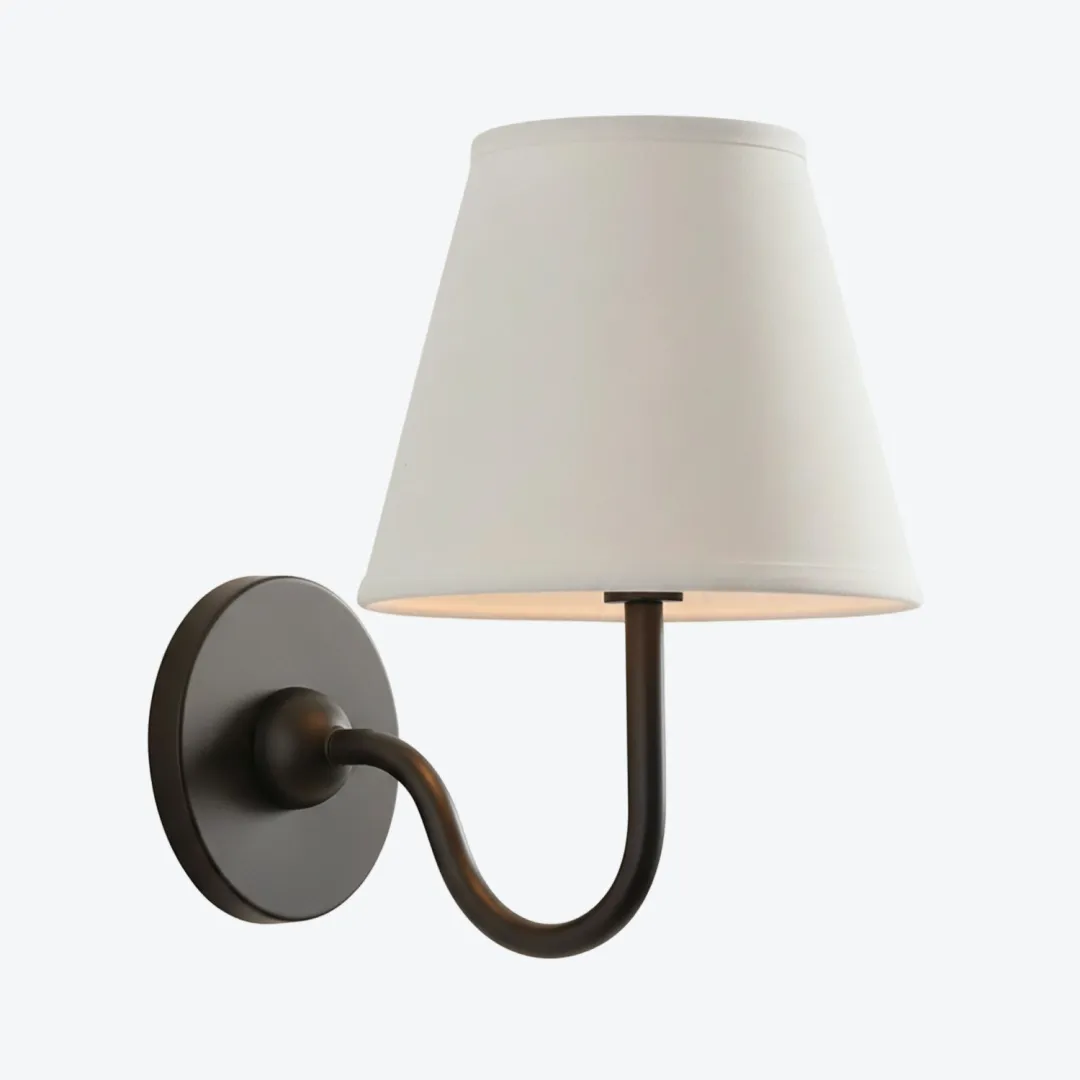
- Verify the chosen shade colour, pleated or smooth option, and finish at checkout.
If those constraints match your bedroom, compare the available Luvora wall-lamp options against your paper mock-up before making the final choice.
FAQ: Softer Bedroom Wall Lighting
Do fabric shades automatically remove glare?
No. They can soften and shield the visible source, but glare may remain if the bulb is too intense or visible from above or below the shade.
Can a pleated wall lamp replace a reading light?
It can support casual reading when output and position are suitable, but detailed or prolonged reading may need a separate directed task light.
Is a warmer bulb always the first fix?
No. First check whether you can see the bright source and whether the room relies on one high-contrast ceiling light. Colour appearance is only one factor.
How should a fabric shade be cleaned?
Switch off the light, let it cool, and remove loose dust gently with a clean, soft tool. Follow the seller’s care instructions and avoid soaking the fabric or electrical parts.